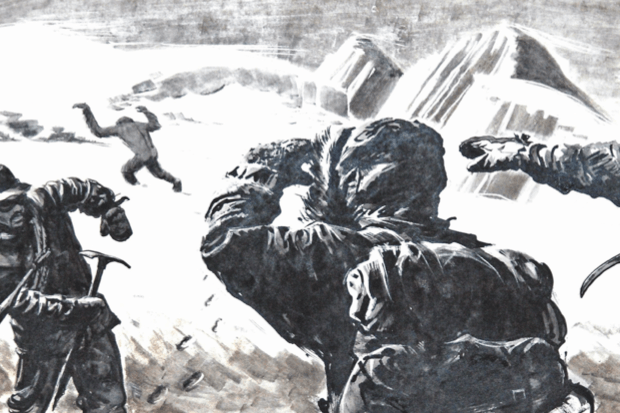
The Mysterious Snowman of the Himalayas: The Yeti

newtownrrt.org – The Yeti, also known as the Abominable Snowman, has been a subject of fascination and speculation for centuries. This elusive creature is said to inhabit the remote, snowy regions of the Himalayas, leaving behind a trail of mystery and intrigue. Despite numerous expeditions and investigations, the existence of the Yeti remains unconfirmed, making it one of the most enduring legends in cryptozoology.

Origins of the Yeti Legend

The legend of the Yeti dates back to ancient times, with early references found in the folklore of the indigenous peoples of the Himalayas. These stories often describe the Yeti as a large, bipedal creature covered in thick fur, capable of surviving in the harshest mountain conditions. Over the years, the legend has been passed down through generations, evolving and expanding with each retelling.

Sightings and Evidence

Throughout history, there have been numerous reported sightings of the Yeti. These encounters range from fleeting glimpses to more detailed observations, with some witnesses claiming to have seen the creature up close. In addition to eyewitness accounts, there is a variety of physical evidence that has been presented as proof of the Yeti’s existence. This includes footprints, hair samples, and even alleged photographs and video footage. However, none of this evidence has been conclusively verified, leaving the door open for skepticism and debate.

Scientific Perspectives

Scientists have approached the Yeti legend with a mix of curiosity and skepticism. Some researchers believe that the sightings and evidence could be attributed to known animals, such as bears, which may appear larger and more mysterious in the dense forests and poor visibility of the Himalayas. Others suggest that the Yeti could be a surviving member of an ancient hominid species, a theory supported by the discovery of fossils in the region that resemble those of extinct apes. Despite these theories, the scientific community largely remains unconvinced of the Yeti’s existence, citing a lack of concrete evidence.

Cultural Impact

Regardless of its existence, the Yeti has had a significant impact on popular culture. It has inspired countless books, movies, and television shows, becoming an iconic figure in the realm of the unknown. The creature’s enduring appeal lies in the mystery it represents, a symbol of the unexplored and the unknowable that continues to captivate the human imagination.

Conclusion

The Yeti remains one of the most intriguing mysteries of the natural world. Whether it is a creature of legend or a creature of flesh and blood, the search for the truth behind the Abominable Snowman continues. As technology and exploration techniques advance, perhaps one day we will uncover the secrets of the Himalayas and finally solve the mystery of the Yeti. Until then, it will remain a part of the rich tapestry of folklore and mythology that surrounds the majestic Himalayan mountains.


The Cryptid Compendium: The Mysteries of Hidden Monsters

newtownrrt.org – In the shadowy corners of our world, where the light of science and reason struggles to penetrate, dwell creatures of legend and lore. These enigmatic beings, known as cryptids, have captivated human imagination for centuries. From the elusive Bigfoot to the fabled Loch Ness Monster, these hidden monsters have inspired countless stories, sparked fervent debates, and fueled expeditions into the unknown. “The Cryptid Compendium: Exploring Hidden Monsters” is a journey into the heart of mystery, a comprehensive exploration of these extraordinary entities that may or may not share our world.

Chapter 1: The Nature of Cryptids
Cryptids are creatures that are rumored to exist but have not been formally recognized by science. The term “cryptid” comes from the Greek “kryptos,” meaning hidden, and refers to animals that are supposedly hidden from the mainstream scientific community. This chapter delves into the definition of cryptids, the various types that have been reported, and the reasons why they remain unconfirmed by scientific standards.

Chapter 2: The Quest for Evidence
The quest for cryptids is a pursuit that combines elements of science, exploration, and folklore. This chapter examines the methods used by cryptozoologists and enthusiasts to search for hidden monsters. It covers the use of eyewitness accounts, physical evidence such as footprints and hair samples, and modern technology like DNA analysis and camera traps.

Chapter 3: Iconic Cryptids Around the World
This chapter takes readers on a global tour of some of the most famous cryptids. It explores the legends of Bigfoot in North America, the Yeti in the Himalayas, the Chupacabra in Latin America, and the Loch Ness Monster in Scotland. Each cryptid is presented with its historical context, reported sightings, and the cultural impact it has had on the regions it is said to inhabit.

Chapter 4: The Science of Cryptozoology
Cryptozoology is the study of hidden or cryptic animals, particularly those that are unrecognized by science. This chapter discusses the scientific approach to investigating cryptids, the challenges faced by cryptozoologists, and the skepticism that often surrounds their work. It also highlights instances where cryptids have been proven to exist, such as the discovery of the mountain gorilla and the okapi.

Chapter 5: The Cultural Significance of Cryptids
Cryptids are not just subjects of scientific inquiry; they are also powerful symbols in folklore and popular culture. This chapter explores how cryptids have been woven into the fabric of human storytelling, from ancient myths to modern media. It examines the role of cryptids in literature, film, and television, and how they reflect our fears, hopes, and the enduring allure of the unknown.

Chapter 6: Ethical Considerations in Cryptid Research
The search for cryptids raises important ethical questions, particularly regarding the potential impact on the environment and the creatures themselves. This chapter discusses the responsibilities of researchers and enthusiasts to protect the habitats of cryptids, the importance of respecting local cultures and traditions, and the need for conservation efforts should a cryptid be confirmed to exist.

Conclusion:
“The Cryptid Compendium: Exploring Hidden Monsters” is a testament to the enduring fascination with the unknown. Whether these hidden monsters are figments of our collective imagination or undiscovered species waiting to be revealed, they remind us of the mysteries that still lie in the darkened corners of our world. As we continue to explore and question, the compendium serves as a guide to the ongoing adventure of uncovering the secrets of cryptids, inviting us to ponder what else might be lurking just beyond the edge of our understanding.

Monsters as Metaphors: Creatures Reveal About Society

Throughout history, monsters have been a staple in folklore, literature, and popular culture, serving as more than just creatures that go bump in the night. These beings, often born from the depths of human imagination, carry with them a wealth of meaning and serve as powerful metaphors for the fears, anxieties, and societal issues of their time. By examining the nature of these monsters, we can uncover the reflections of society’s values, concerns, and the collective unconscious.

The Fear of the Other

One of the most prevalent themes in monster metaphors is the fear of the “other.” Monsters often represent what is different, foreign, or unknown to a society. For example, during times of war or conflict, the enemy is often dehumanized and portrayed as monstrous. In literature, characters like Dracula or Frankenstein’s monster embody the fear of foreign invasion or the dangers of scientific progress, respectively. These creatures are not just literal monsters but symbols of the societal fear of change and the unknown.

Reflections of Societal Anxieties

Monsters can also be seen as reflections of the specific anxieties of a society at a given time. For instance, during the Cold War, the rise of atomic monsters in films like “Godzilla” (1954) mirrored the fears of nuclear warfare and the potential for catastrophic destruction. Similarly, the zombie apocalypse genre, which gained popularity in the late 20th and early 21st centuries, can be interpreted as a metaphor for the loss of individuality and the mindless consumerism that characterizes modern society.

Moral and Ethical Questions

Monsters also pose moral and ethical questions, challenging us to consider what it means to be human. The story of Frankenstein, for example, raises questions about the ethics of playing God and the responsibility of creators towards their creations. This narrative can be seen as a commentary on the potential consequences of scientific advancements and the importance of considering the ethical implications of our actions.

The Shadow Self

In psychological terms, monsters can represent the “shadow” aspect of our psyche, as described by Carl Jung. This shadow includes the parts of ourselves that we reject or deny, often because they are considered unacceptable or evil. By projecting these qualities onto monsters, we externalize our inner conflicts, making it easier to confront and understand them. This process can be seen in stories where the monster is a reflection of the protagonist’s own fears, desires, or hidden aspects of their personality.

Conclusion

Monsters, in all their forms, are not just creatures to be feared or defeated. They are mirrors that reflect the complexities of human society and the depths of the human psyche. Through these metaphors, we can explore our fears, confront our anxieties, and question our values. As society evolves, so too will the monsters that haunt our collective imagination, continuing to serve as powerful symbols of the issues that we grapple with as a civilization. Understanding these metaphors can provide valuable insights into the human condition and the ever-changing landscape of societal norms and fears.