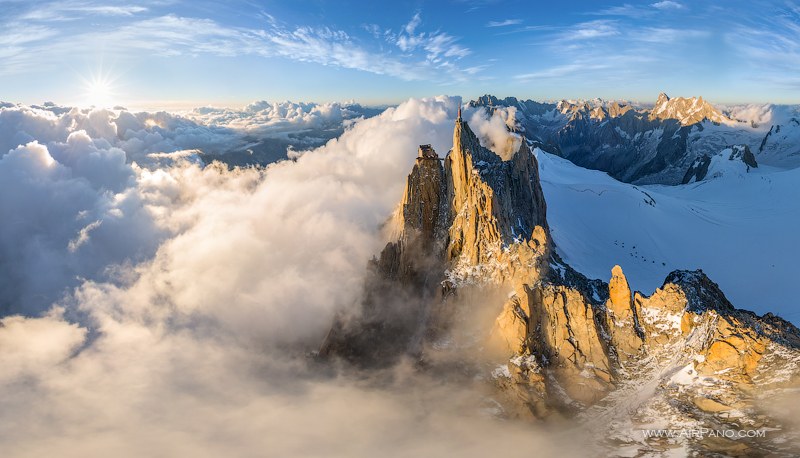
newtownrrt.org – Mont Blanc, known as “The White Mountain,” is a majestic peak that stands tall on the border between France and Italy, with a small portion extending into Switzerland. It is the highest mountain in the Alps and Western Europe, reaching an elevation of 4,808 meters (15,774 feet) above sea level. This iconic mountain is not only a symbol of natural beauty but also a testament to the enduring allure of the great outdoors.
Geography and Geology of Mont Blanc
Mont Blanc is part of the Graian Alps and is primarily composed of granite and gneiss. The mountain’s pyramidal shape is a result of glacial erosion over thousands of years. The Mer de Glace, one of the largest glaciers in France, originates from the slopes of Mont Blanc, offering a stark reminder of the dynamic and ever-changing nature of the mountain.
The Mont Blanc Massif
The Mont Blanc Massif encompasses a range of peaks surrounding the main summit, including the Aiguille du Midi, the Dôme du Goûter, and the Grandes Jorasses. This massif is a playground for mountaineers, skiers, and hikers from around the globe, offering a variety of routes and challenges for all levels of experience.
The History of Mont Blanc
The first ascent of Mont Blanc was made on August 8, 1786, by Jacques Balmat and Michel Paccard. This achievement marked the beginning of alpine mountaineering and sparked a fascination with the summit that continues to this day. Over the years, Mont Blanc has seen numerous expeditions, including the first winter ascent in 1876 and the first solo ascent in 1933.
Mont Blanc Tunnel
The Mont Blanc Tunnel, connecting Chamonix, France, with Courmayeur, Italy, is an engineering marvel that facilitates cross-border travel. Completed in 1965, the tunnel is a symbol of European cooperation and serves as a vital link between the two countries.
The Allure of Mont Blanc
Mont Blanc attracts thousands of visitors each year, drawn by its stunning vistas, challenging climbs, and rich cultural heritage. The surrounding areas, including Chamonix and Courmayeur, are renowned ski resorts that offer world-class facilities and après-ski entertainment.
Adventure and Recreation
For those seeking adventure, Mont Blanc offers a plethora of activities. Mountaineers can choose from various routes to the summit, while hikers can explore the numerous trails that wind through the valleys and pastures. In winter, the slopes come alive with skiers and snowboarders, while in summer, paragliding and via ferrata offer a unique perspective on the mountain’s grandeur.
Environmental Concerns
The beauty of Mont Blanc is not without its challenges. Climate change has had a significant impact on the mountain, with glaciers retreating at an alarming rate. This not only affects the landscape but also poses risks to those who venture into the mountains, as changing conditions can lead to unpredictable hazards.
Conservation Efforts
In response to these challenges, conservation efforts are underway to protect the natural environment of Mont Blanc. These include initiatives to monitor and mitigate the effects of climate change, as well as efforts to promote sustainable tourism and preserve the mountain’s ecosystems.
Conclusion
Mont Blanc is more than just a mountain; it is a symbol of human endeavor, natural beauty, and the enduring spirit of adventure. Whether seen from the valley floor or experienced from its lofty summit, Mont Blanc continues to inspire and challenge those who are drawn to its majestic presence. As we move forward, it is our responsibility to ensure that this natural wonder is preserved for future generations to enjoy and explore.