Greenland: Arctic Survival Skills

newtownrrt.org – Greenland, the world’s largest island, is a land of extremes. Its harsh, cold climate and vast, remote landscapes make it a challenging environment for human survival. However, for centuries, the Inuit people have thrived in this Arctic region, developing unique survival skills that have been passed down through generations. Today, these skills are not only a testament to human resilience but also a crucial part of modern Arctic training programs.

Historical Context

The Inuit, who have inhabited Greenland for over 700 years, have developed a deep understanding of their environment. Their survival techniques are rooted in a profound respect for nature and a reliance on traditional knowledge passed down through oral traditions and practical experience. These skills have been essential for hunting, shelter building, and navigation in the Arctic’s unforgiving conditions.

Modern Arctic Training

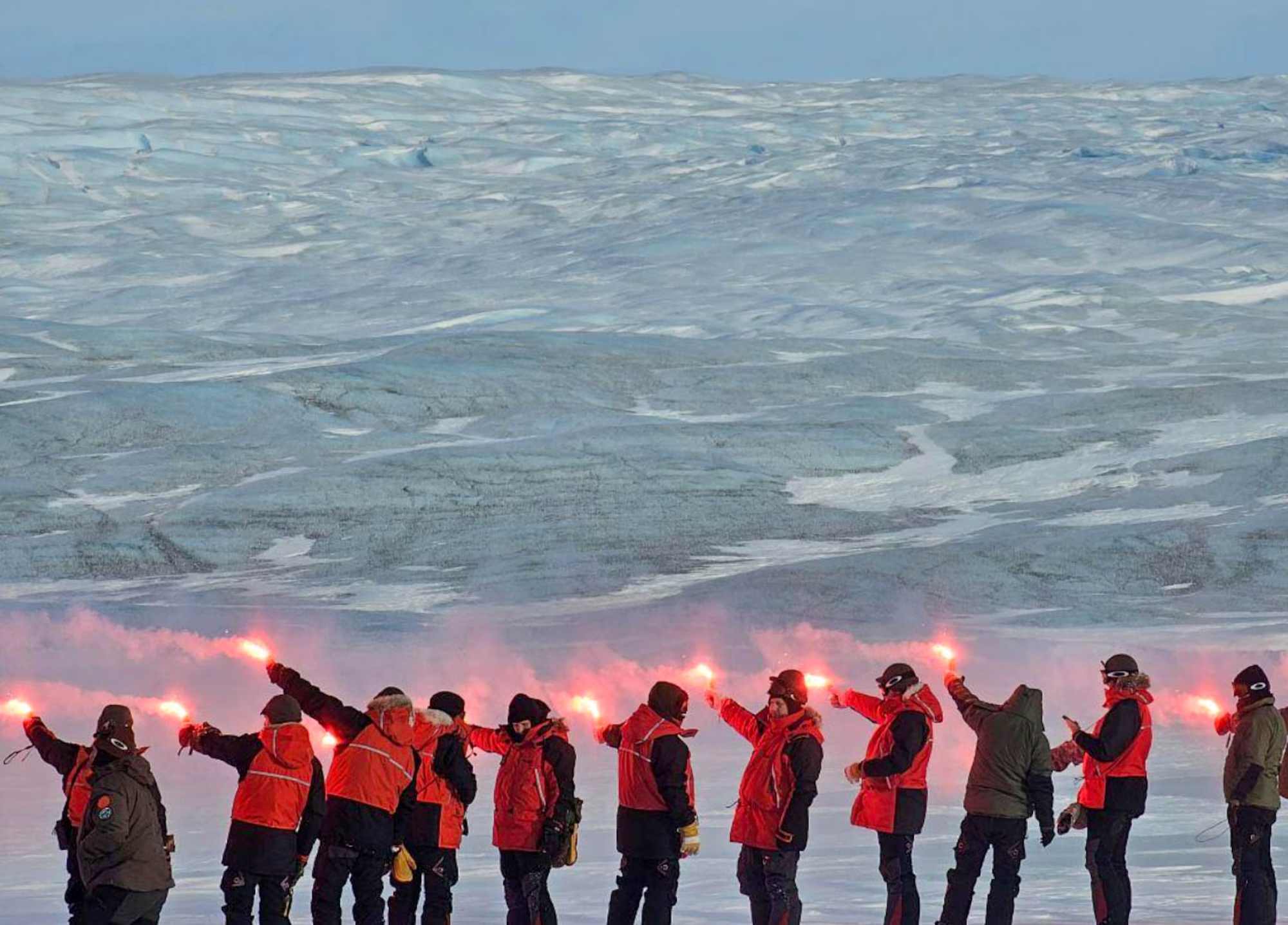
In recent years, the importance of Arctic survival skills has been recognized by military and civilian organizations alike. The 66th Training Squadron Detachment 1 from Eielson Air Force Base has been leading Arctic training programs in Greenland, teaching essential survival skills to military personnel from various NATO countries, including the Royal Danish Air Force and French SERE instructors. These training programs emphasize readiness and collaborative security within the Arctic region.

Key Survival Skills

Shelter Building

One of the most critical skills for Arctic survival is the ability to build effective shelters. Inuit traditionally used igloos, which are dome-shaped structures made from blocks of snow. These shelters provide excellent insulation against the cold and are relatively quick to construct. Modern training programs often include instruction on building similar shelters using available materials.

Navigation

Navigating in the Arctic can be extremely challenging due to the vast, featureless landscapes and the constant threat of disorientation. Traditional Inuit navigation relied on natural landmarks, celestial bodies, and an intimate knowledge of the terrain. Modern techniques include the use of GPS and other electronic devices, but the ability to navigate without these tools remains a valuable skill.

Hunting and Food Procurement

Hunting is a central aspect of Inuit culture and survival. Traditional hunting methods involve the use of dogsleds, kayaks, and various types of harpoons and spears. These methods require not only physical strength but also a deep understanding of animal behavior and the environment. Modern training programs often include instruction on hunting and fishing techniques, as well as the importance of sustainable practices.

Physical and Mental Conditioning

Surviving in the Arctic requires both physical and mental resilience. Traditional Inuit games, which often mimic hunting and survival activities, help build the necessary physical and mental skills. These games require little or no equipment and are designed to be both challenging and fun. Modern training programs also emphasize the importance of mental toughness and teamwork.

Conclusion

The Arctic survival skills developed by the Inuit people of Greenland are a testament to human ingenuity and resilience. These skills are not only essential for those living in the Arctic but also for modern military and civilian training programs. By learning from the past and adapting to new challenges, we can ensure that these vital skills continue to be passed down and applied in the future.
The Fight for Survival: Endangered Species

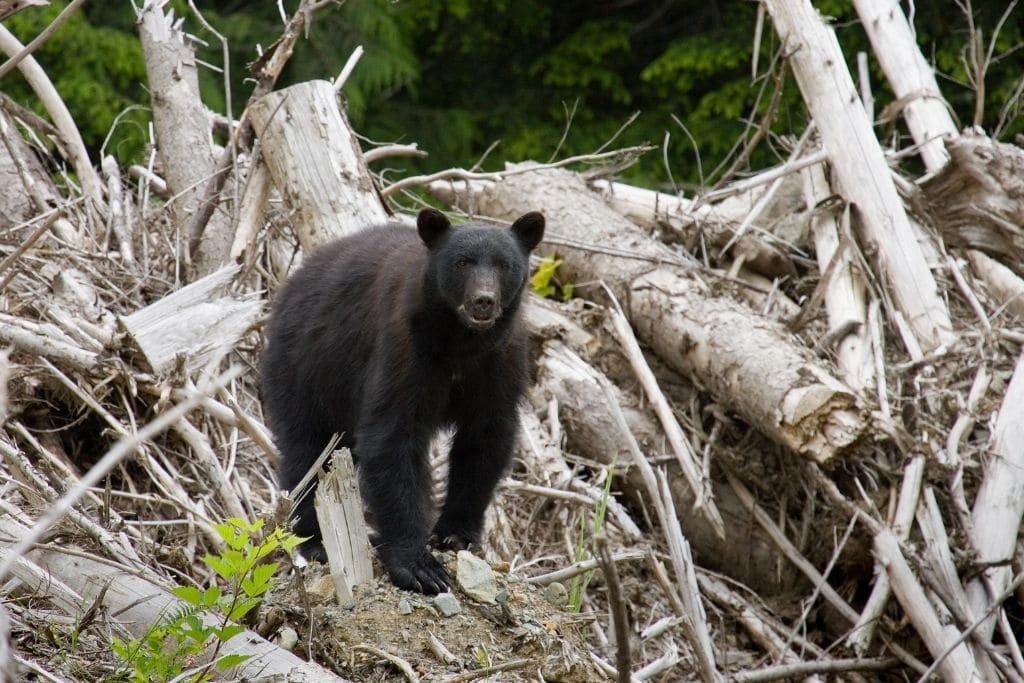
newtownrrt.org – In the vast tapestry of life on Earth, each species plays a crucial role in maintaining the balance of ecosystems. However, the relentless march of human activity has pushed many of these species to the brink of extinction. The fight for survival of endangered species is not just a battle for their existence but a critical effort to preserve biodiversity and the health of our planet. This article delves into the challenges faced by endangered species and the multifaceted strategies employed to safeguard them.

The Threats to Endangered Species

Habitat Loss

One of the most significant threats to endangered species is habitat loss. Urbanization, deforestation, and agricultural expansion are leading to the destruction of natural habitats at an alarming rate. Without a place to live, many species struggle to find food, shelter, and mates, leading to population declines.

Climate Change

Climate change is another formidable adversary. Rising temperatures, changing precipitation patterns, and extreme weather events are altering environments faster than many species can adapt. This results in shifts in species distribution, reduced reproductive success, and increased vulnerability to diseases.

Overexploitation

Overexploitation, driven by demand for wildlife products, is another critical threat. Whether it’s poaching for ivory, rhino horn, or the illegal pet trade, the relentless pursuit of wildlife for commercial gain is decimating populations.

Invasive Species

Invasive species can also wreak havoc on native ecosystems. They compete with endangered species for resources, prey on them, or introduce diseases, further tipping the scales against survival.

Conservation Efforts

Protected Areas

Establishing protected areas is a cornerstone of conservation efforts. National parks, wildlife reserves, and marine protected areas provide sanctuaries where endangered species can live relatively undisturbed.

Reintroduction Programs

Reintroduction programs aim to return species to areas where they have become extinct or are absent. This involves breeding individuals in captivity and carefully releasing them back into the wild, supported by habitat restoration efforts.

Anti-Poaching Measures

Strengthening law enforcement and implementing anti-poaching measures are vital in combating illegal wildlife trade. This includes increasing patrols, using technology to monitor wildlife, and working with communities to reduce demand for wildlife products.

Community Engagement

Engaging local communities is crucial for the long-term success of conservation efforts. By providing alternative livelihoods and education, communities can become stewards of wildlife, rather than adversaries.

The Role of Technology

Technology is playing an increasingly important role in conservation. Drones, satellite tracking, and DNA analysis are helping researchers monitor species, understand their movements, and detect threats. Social media and virtual reality are also being used to raise awareness and engage the public in conservation efforts.

Conclusion

The fight for survival of endangered species is a complex and daunting challenge. It requires a concerted effort from governments, conservation organizations, scientists, and the public. By addressing the root causes of species decline and employing innovative conservation strategies, we can help ensure that these species have a fighting chance. The survival of endangered species is not just about preserving individual animals; it’s about protecting the intricate web of life on Earth for future generations.

Thriving in the Wilds of Vanuatu: Island Survival

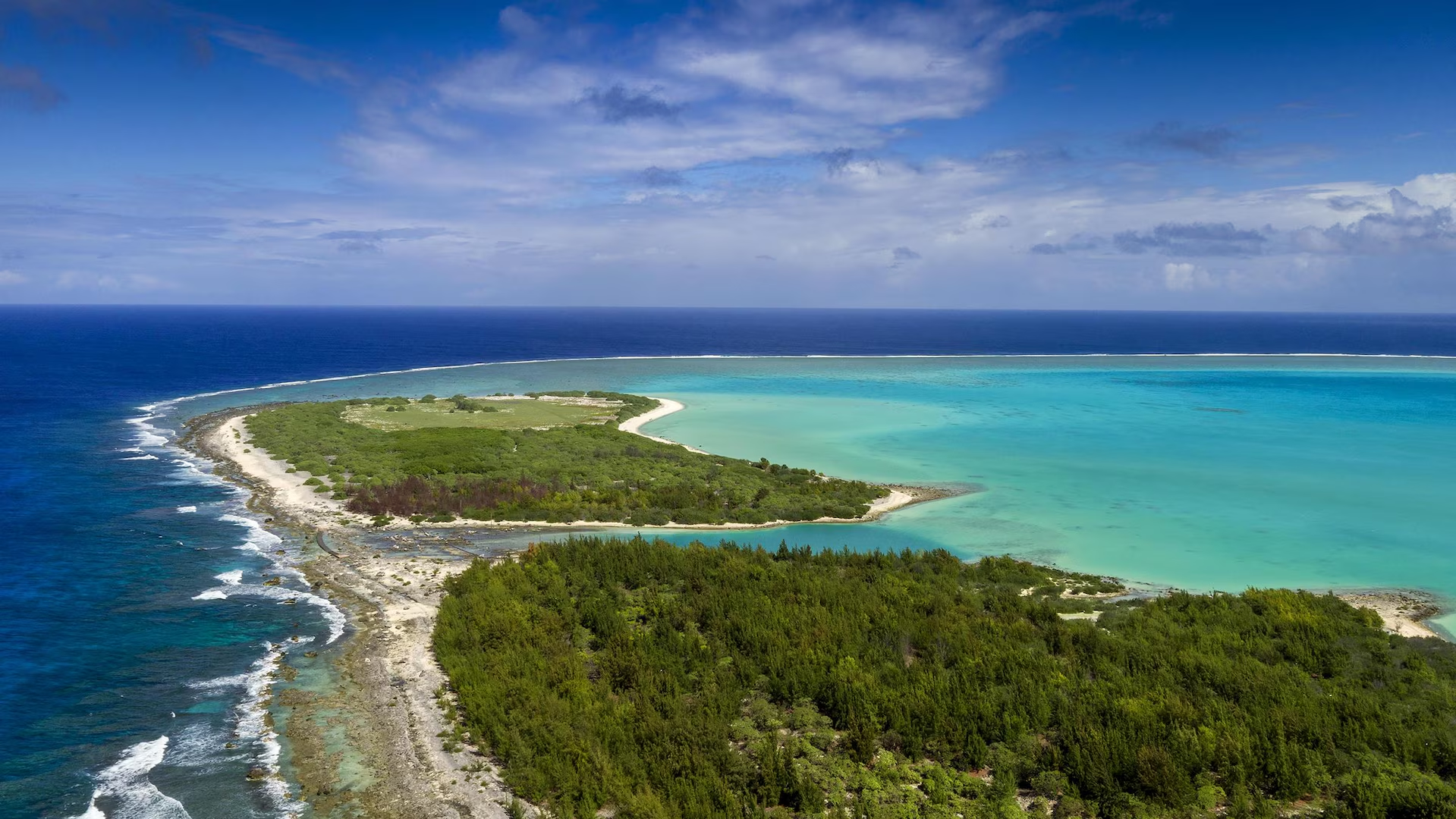
newtownrrt.org – The archipelago of Vanuatu, nestled in the South Pacific Ocean, is a paradise for adventurers and survivalists alike. With its lush rainforests, active volcanoes, and pristine coral reefs, Vanuatu offers a unique challenge for those seeking to test their survival skills against the elements. This article delves into the strategies and experiences of those who have attempted to thrive in the wilds of Vanuatu, offering insights into the natural environment, local culture, and the essential skills needed to survive and thrive on these remote islands.

The Natural Environment: Vanuatu’s natural environment is as diverse as it is challenging. The islands are home to dense jungles, rugged terrains, and a climate that can shift from serene to severe in moments. Survival in such an environment requires a deep understanding of the local ecosystem, including the flora and fauna that can provide sustenance, as well as those that pose a threat.

Survival Skills: To survive in Vanuatu’s wilds, one must be adept at finding fresh water, building shelter, and sourcing food. The islands’ rivers and streams offer fresh water, but it’s crucial to ensure that the water is clean and safe to drink. Shelter can be constructed using the abundant bamboo and palm fronds, providing protection from the sun, rain, and potential wildlife encounters.

Foraging and fishing are essential skills for sourcing food. The islands are rich in edible plants, such as taro, yams, and tropical fruits, while the surrounding waters teem with fish and shellfish. However, it’s important to be aware of the toxic and non-edible plants and marine life that can be found in the region.

Navigation and Communication: Navigating the dense jungles and numerous islands without modern technology is a skill that can mean the difference between survival and peril. Traditional navigation techniques, such as reading the stars, understanding the ocean currents, and observing wildlife patterns, are invaluable. Additionally, learning basic phrases in Bislama, the lingua franca of Vanuatu, can help in communicating with locals who may offer assistance or share their knowledge of the land.

Respecting the Culture: Survival in Vanuatu is not just about mastering the physical environment; it’s also about respecting and integrating with the local culture. The Ni-Vanuatu people have lived in harmony with their islands for centuries, and their traditional knowledge is a treasure trove for survivalists. Engaging with the local communities, participating in kastom (custom) practices, and understanding the cultural significance of the land can enrich the survival experience and foster a deeper connection with the islands.

Conclusion: Island survival in Vanuatu is a test of one’s physical and mental fortitude, as well as an opportunity to connect with nature and culture in a profound way. By honing essential survival skills, respecting the natural environment, and embracing the local culture, adventurers can thrive in the wilds of Vanuatu. Whether you’re a seasoned survivalist or a curious traveler, the islands of Vanuatu offer an unparalleled adventure that promises to challenge and inspire.