Victoria’s Secret: A Cultural Phenomenon in Fashion

newtownrrt.org – Victoria’s Secret has emerged as one of the most recognizable names in the fashion industry, renowned for its glamorous lingerie and trendsetting fashion shows. Since its inception in 1977, the brand has transcended the realm of retail to become a cultural phenomenon, influencing fashion trends and perceptions of beauty worldwide.

The Early Years and Branding Strategy

Victoria’s Secret was founded by Roy Raymond, who sought to create a comfortable and inviting shopping environment for men buying lingerie for their partners. The brand quickly gained traction with its elegant store design and sophisticated marketing. In the 1980s, the launch of the Victoria’s Secret catalog revolutionized how lingerie was marketed, bringing sensuality and luxury directly into consumers’ homes.

The Impact of the Victoria’s Secret Fashion Show

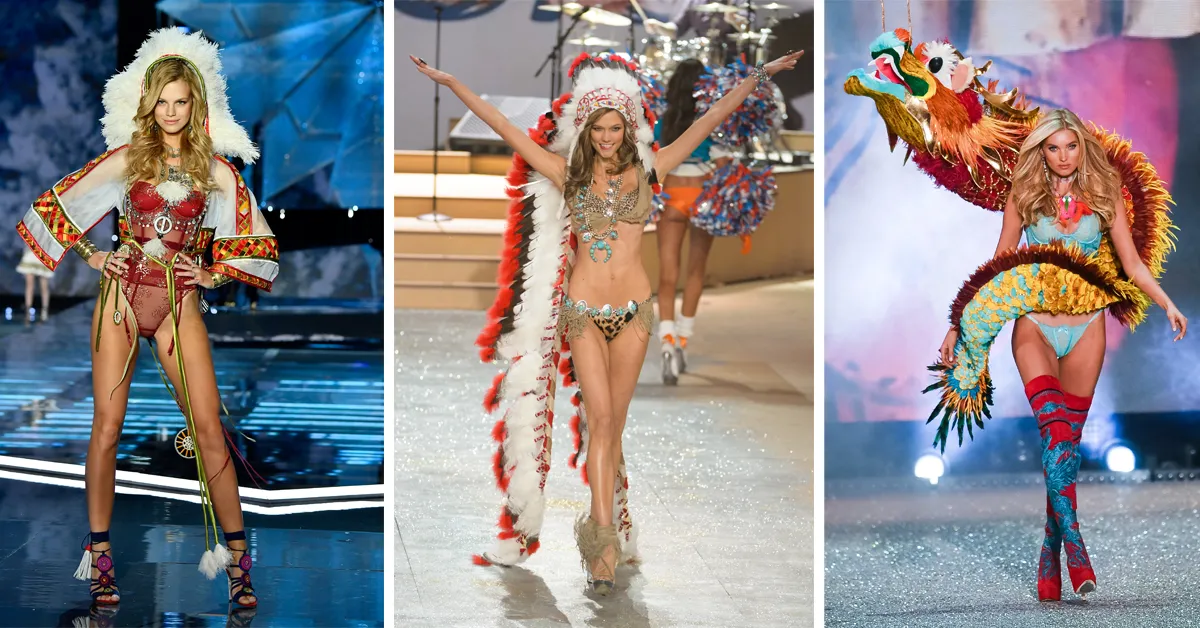
The annual Victoria’s Secret Fashion Show, first held in 1995, played a pivotal role in elevating the brand to global prominence. Known for its elaborate costumes, star-studded musical performances, and supermodel “Angels,” the fashion show became a must-watch event, drawing millions of viewers from around the world. This spectacle not only showcased the brand’s products but also set new standards for fashion shows, blending entertainment and high fashion.

Shaping Beauty Standards

Victoria’s Secret has been instrumental in shaping modern beauty standards. The brand’s advertising campaigns have historically featured models who epitomize a specific ideal of beauty—tall, slender, and glamorous. While this approach garnered significant attention and set trends, it also sparked debates about diversity and inclusivity in fashion. In response to changing societal values, Victoria’s Secret has recently begun to embrace a more diverse range of models, aiming to reflect a broader spectrum of beauty.

Influence Beyond Lingerie

Beyond lingerie, Victoria’s Secret has expanded its influence into various aspects of fashion and lifestyle. The introduction of the PINK line and beauty products has allowed the brand to connect with different demographics, particularly younger consumers. This expansion has helped Victoria’s Secret maintain its relevance in an ever-evolving fashion landscape.

Conclusion

Victoria’s Secret’s journey from a small lingerie store to a cultural phenomenon in fashion is a testament to its powerful branding and strategic innovation. As the brand continues to adapt to the demands of a diverse and dynamic market, it remains a significant player in shaping fashion and beauty standards. The story of Victoria’s Secret is not just about lingerie; it’s about creating a lasting impact on the cultural fabric of fashion itself5.
How Technology is Transforming Fashion Shows: Digital Runway

newtownrrt.org – The fashion industry is no stranger to innovation, but the advent of advanced technology has revolutionized the way fashion shows are conceived, executed, and experienced. The digital runway is at the forefront of this transformation, blurring the lines between physical and virtual realms, and redefining the fashion show experience for designers, models, and audiences alike.

The Evolution of the Fashion Show

Traditionally, fashion shows have been exclusive events, showcasing the latest collections of renowned designers to a select audience of industry insiders, celebrities, and media. However, the exclusivity of these events limited their reach and impact. With the integration of technology, fashion shows have become more accessible and engaging, transcending geographical boundaries and reaching a global audience.

Digital Runway: A New Frontier

The digital runway represents a significant shift in how fashion shows are presented. It leverages cutting-edge technologies such as augmented reality (AR), virtual reality (VR), live streaming, and 3D modeling to create immersive and interactive experiences. Here’s how technology is transforming fashion shows:

1. Virtual Catwalks

Virtual reality technology allows designers to create digital catwalks where models walk in a virtual space. This not only eliminates the need for a physical venue but also allows designers to experiment with unconventional runway designs and settings. Audiences can experience these shows through VR headsets, feeling as if they are front-row attendees.

2. Augmented Reality

Augmented reality enhances the physical runway experience by overlaying digital information or effects onto the real world. Designers can use AR to project digital designs onto physical garments, allowing the audience to see how a piece might look in different colors or patterns in real-time. This technology also enables interactive experiences, where audience members can use their smartphones or tablets to learn more about the garments as they walk by.

3. Live Streaming and Social Media Integration

Live streaming has democratized fashion shows, making them accessible to anyone with an internet connection. Brands now stream their shows on social media platforms, websites, and dedicated apps, allowing millions of viewers worldwide to experience the event simultaneously. Social media integration encourages real-time engagement, with viewers sharing their reactions and comments online.

4. 3D Modeling and Digital Twins

3D modeling technology allows designers to create digital twins of their garments, which can be showcased in virtual fashion shows. This not only reduces the need for physical samples but also speeds up the design process. Digital twins can be used in virtual fittings, allowing customers to see how a garment would look on their body shape before making a purchase.

5. Sustainability and Innovation

The digital runway also contributes to the fashion industry’s sustainability efforts. By reducing the need for travel, physical venues, and materials, virtual fashion shows have a smaller carbon footprint. Moreover, digital fashion shows can be archived and accessed indefinitely, extending the lifespan of a collection and reducing waste.

The Future of Fashion Shows

As technology continues to evolve, the digital runway will likely become the norm rather than the exception. It offers a platform for creativity and innovation, allowing designers to push the boundaries of fashion presentation. The integration of technology not only enhances the fashion show experience but also opens up new avenues for consumer engagement and retail strategies.

In conclusion, the digital runway represents a significant step forward in the evolution of fashion shows. By embracing technology, the fashion industry is not only making fashion shows more accessible and engaging but also paving the way for a more sustainable future. As we look ahead, the possibilities for how technology can transform fashion shows seem limitless, promising an exciting journey for designers, audiences, and the industry as a whole.

A Journey Through International Clothing Styles: Global Garb

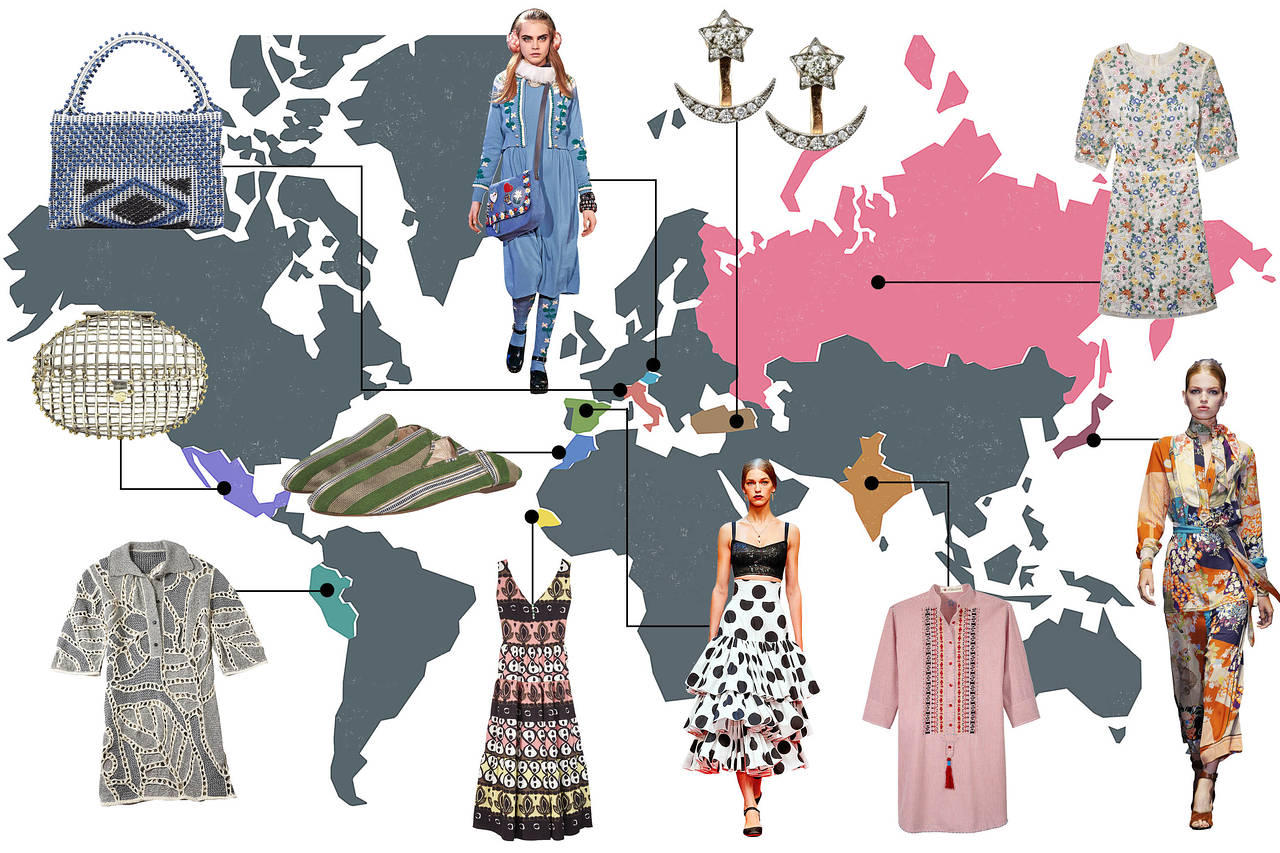
The world is a tapestry of cultures, each with its unique identity and expression. One of the most visible manifestations of cultural diversity is in the clothing styles that people around the globe don. From the vibrant colors of African prints to the intricate embroidery of Mexican huipils, clothing is not just a necessity but a form of art and a means of storytelling. “Global Garb: A Journey Through International Clothing Styles” is an exploration of the rich variety of attire that adorns the people of different nations, reflecting their history, traditions, and values.

The Colors of Africa:
African clothing is a kaleidoscope of colors, patterns, and textures. The continent is home to a myriad of ethnic groups, each with its distinct style. The kente cloth of Ghana and the dashiki of Nigeria are famous for their bold patterns and bright colors, symbolizing various aspects of African life and heritage. The Maasai people of Kenya and Tanzania are known for their red shukas and intricate beadwork, which signify social status and beauty. These garments are not only visually striking but also carry deep cultural significance.

The Grace of Asia:
Asian clothing styles are characterized by their elegance and diversity. The saree of India, with its six to nine yards of fabric draped around the body, is a testament to the grace and femininity of the wearer. The kimono of Japan, with its T-shaped structure and long sleeves, is a work of art that has been perfected over centuries. The hanbok of Korea, with its vibrant colors and flowing silhouette, is worn during traditional festivals and celebrations, showcasing the rich heritage of the country.

The Flair of Europe:
European fashion has long been a global trendsetter, with countries like France, Italy, and the United Kingdom leading the way in haute couture. However, traditional European clothing also tells a story of history and regional identity. The dirndl of Germany and Austria, with its fitted bodice and full skirt, is a symbol of Bavarian culture. The Scottish kilt, made from tartan cloth that represents different clans, is a proud emblem of Scottish heritage. Each piece is a reflection of the continent’s storied past and its influence on modern fashion.

The Rhythm of the Americas:
The Americas are a melting pot of cultures, and their clothing styles reflect this diversity. The poncho, originating from the Andean regions of South America, is a simple yet versatile garment that has been adopted by various cultures. The huipil, a traditional blouse worn by indigenous women in Mexico and Central America, is known for its intricate embroidery and weaving techniques. In North America, Native American tribes have their own distinctive styles, such as the buckskin leggings and fringed leather jackets, which are both functional and ceremonial.

The Harmony of the Pacific:
The Pacific Islands boast a vibrant array of clothing styles that are as colorful as their coral reefs. The tapa cloth, made from the bark of trees, is a traditional fabric found throughout the islands, each with its unique designs. The lava-lava or sarong is a common garment in many Pacific cultures, worn casually or during ceremonies, often featuring patterns that tell stories of the islands’ folklore and history.

Conclusion:
“Global Garb: A Journey Through International Clothing Styles” reveals the beauty and complexity of human culture as expressed through clothing. Each style is a window into the soul of a people, their history, and their relationship with the world around them. As we continue to navigate a globalized society, appreciating and understanding these diverse clothing traditions can foster a greater sense of empathy and unity among us. Whether it’s the vibrant prints of Africa, the elegant lines of Asia, the historical garb of Europe, the rhythmic styles of the Americas, or the harmonious designs of the Pacific, international clothing styles remind us of the rich tapestry that makes up our shared human experience.