Seinfeld: The Show About Nothing That Became Everything

newtownrrt.org – Seinfeld, often referred to as “the show about nothing,” is a groundbreaking American sitcom that aired on NBC from 1989 to 1998. Created by Larry David and Jerry Seinfeld, the show is a landmark in television history, known for its unique humor, relatable characters, and its focus on the minutiae of everyday life.

The Premise

Seinfeld revolves around the life of stand-up comedian Jerry Seinfeld and his eccentric group of friends in New York City. The main characters include Jerry himself, his best friend George Costanza, his ex-girlfriend Elaine Benes, and his neighbor across the hall, Cosmo Kramer. Unlike traditional sitcoms, Seinfeld does not follow a standard plot structure; instead, it explores the absurdities and trivialities of life through the lens of its main characters.

Characters and Dynamics

Jerry Seinfeld

Jerry Seinfeld, played by himself, is the show’s protagonist and a stand-up comedian. He serves as the straight man among his quirky friends, often commenting on their behaviors and the absurdities of life. Jerry’s apartment is the central gathering place for the group, where they discuss their daily lives and various predicaments.

George Costanza

George Costanza, played by Jason Alexander, is Jerry’s best friend and the exact opposite of him. George is neurotic, balding, and often finds himself in unfortunate situations due to his poor decision-making. His relationship with his parents, his on-again, off-again girlfriend Susan Ross, and his various job endeavors are recurring themes throughout the show.

Elaine Benes

Elaine Benes, played by Julia Louis-Dreyfus, is Jerry’s ex-girlfriend and a close friend. She is strong-willed, opinionated, and often finds herself in comedic situations involving her love life and career. Elaine’s interactions with her boss, J. Peterman, and her struggles with relationships are highlighted throughout the series.

Cosmo Kramer

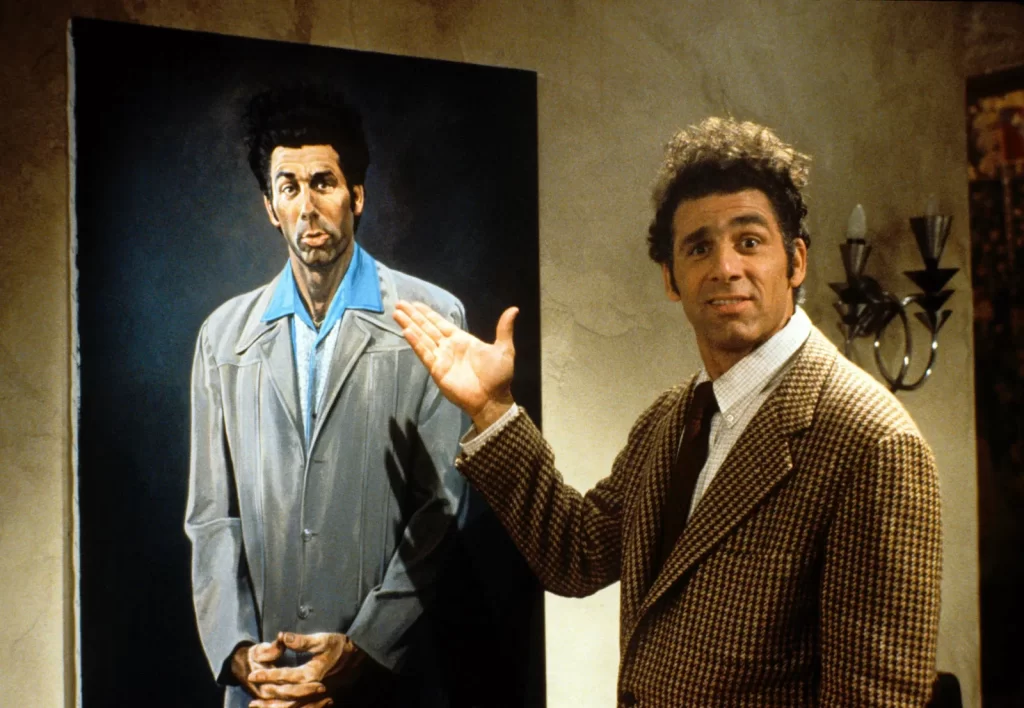
Cosmo Kramer, played by Michael Richards, is Jerry’s eccentric neighbor. Known for his distinctive entrance through Jerry’s apartment door, Kramer is a free spirit with a penchant for getting involved in bizarre schemes and business ventures. His interactions with the main characters often lead to humorous and chaotic situations.

Humor and Writing

Seinfeld’s humor is characterized by its observational comedy, focusing on the mundane aspects of life that most people overlook. The show’s writers, including Larry David, Jerry Seinfeld, and a team of talented writers, crafted scripts that were both hilarious and insightful, making Seinfeld a critical and commercial success.

Cultural Impact

Seinfeld has had a lasting impact on television and popular culture. The show introduced numerous catchphrases and memes that have become part of the cultural lexicon, such as “No soup for you!” and “Yada, yada, yada.” The show’s influence can be seen in the structure and humor of many contemporary sitcoms.

Legacy

Since its conclusion in 1998, Seinfeld has continued to be celebrated as one of the greatest television shows of all time. It has remained popular through syndication, streaming services, and a dedicated fan base. The show’s legacy is a testament to its innovative approach to comedy and its ability to resonate with audiences across generations.

Conclusion

Seinfeld’s unique blend of humor, relatable characters, and insightful commentary on everyday life has cemented its place in television history. The show’s influence on comedy and popular culture is undeniable, making it a timeless classic that continues to entertain and inspire.
How Technology is Transforming Fashion Shows: Digital Runway

newtownrrt.org – The fashion industry is no stranger to innovation, but the advent of advanced technology has revolutionized the way fashion shows are conceived, executed, and experienced. The digital runway is at the forefront of this transformation, blurring the lines between physical and virtual realms, and redefining the fashion show experience for designers, models, and audiences alike.

The Evolution of the Fashion Show

Traditionally, fashion shows have been exclusive events, showcasing the latest collections of renowned designers to a select audience of industry insiders, celebrities, and media. However, the exclusivity of these events limited their reach and impact. With the integration of technology, fashion shows have become more accessible and engaging, transcending geographical boundaries and reaching a global audience.

Digital Runway: A New Frontier

The digital runway represents a significant shift in how fashion shows are presented. It leverages cutting-edge technologies such as augmented reality (AR), virtual reality (VR), live streaming, and 3D modeling to create immersive and interactive experiences. Here’s how technology is transforming fashion shows:

1. Virtual Catwalks

Virtual reality technology allows designers to create digital catwalks where models walk in a virtual space. This not only eliminates the need for a physical venue but also allows designers to experiment with unconventional runway designs and settings. Audiences can experience these shows through VR headsets, feeling as if they are front-row attendees.

2. Augmented Reality

Augmented reality enhances the physical runway experience by overlaying digital information or effects onto the real world. Designers can use AR to project digital designs onto physical garments, allowing the audience to see how a piece might look in different colors or patterns in real-time. This technology also enables interactive experiences, where audience members can use their smartphones or tablets to learn more about the garments as they walk by.

3. Live Streaming and Social Media Integration

Live streaming has democratized fashion shows, making them accessible to anyone with an internet connection. Brands now stream their shows on social media platforms, websites, and dedicated apps, allowing millions of viewers worldwide to experience the event simultaneously. Social media integration encourages real-time engagement, with viewers sharing their reactions and comments online.

4. 3D Modeling and Digital Twins

3D modeling technology allows designers to create digital twins of their garments, which can be showcased in virtual fashion shows. This not only reduces the need for physical samples but also speeds up the design process. Digital twins can be used in virtual fittings, allowing customers to see how a garment would look on their body shape before making a purchase.

5. Sustainability and Innovation

The digital runway also contributes to the fashion industry’s sustainability efforts. By reducing the need for travel, physical venues, and materials, virtual fashion shows have a smaller carbon footprint. Moreover, digital fashion shows can be archived and accessed indefinitely, extending the lifespan of a collection and reducing waste.

The Future of Fashion Shows

As technology continues to evolve, the digital runway will likely become the norm rather than the exception. It offers a platform for creativity and innovation, allowing designers to push the boundaries of fashion presentation. The integration of technology not only enhances the fashion show experience but also opens up new avenues for consumer engagement and retail strategies.

In conclusion, the digital runway represents a significant step forward in the evolution of fashion shows. By embracing technology, the fashion industry is not only making fashion shows more accessible and engaging but also paving the way for a more sustainable future. As we look ahead, the possibilities for how technology can transform fashion shows seem limitless, promising an exciting journey for designers, audiences, and the industry as a whole.