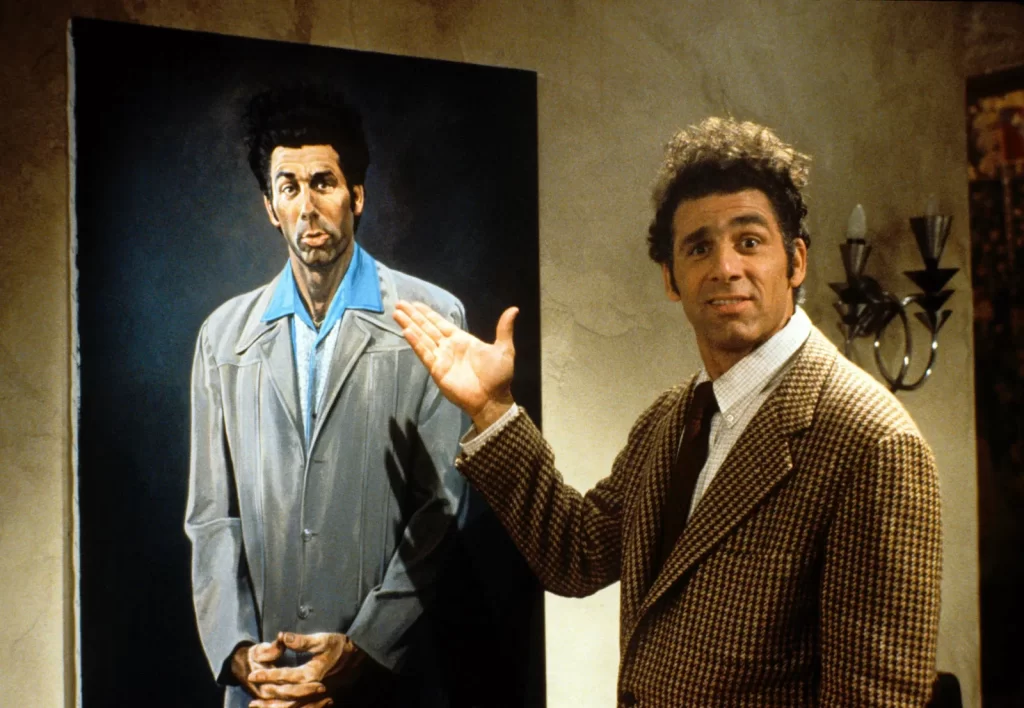
newtownrrt.org – Seinfeld, often referred to as “the show about nothing,” is a groundbreaking American sitcom that aired on NBC from 1989 to 1998. Created by Larry David and Jerry Seinfeld, the show is a landmark in television history, known for its unique humor, relatable characters, and its focus on the minutiae of everyday life.
The Premise
Seinfeld revolves around the life of stand-up comedian Jerry Seinfeld and his eccentric group of friends in New York City. The main characters include Jerry himself, his best friend George Costanza, his ex-girlfriend Elaine Benes, and his neighbor across the hall, Cosmo Kramer. Unlike traditional sitcoms, Seinfeld does not follow a standard plot structure; instead, it explores the absurdities and trivialities of life through the lens of its main characters.
Characters and Dynamics
Jerry Seinfeld
Jerry Seinfeld, played by himself, is the show’s protagonist and a stand-up comedian. He serves as the straight man among his quirky friends, often commenting on their behaviors and the absurdities of life. Jerry’s apartment is the central gathering place for the group, where they discuss their daily lives and various predicaments.
George Costanza
George Costanza, played by Jason Alexander, is Jerry’s best friend and the exact opposite of him. George is neurotic, balding, and often finds himself in unfortunate situations due to his poor decision-making. His relationship with his parents, his on-again, off-again girlfriend Susan Ross, and his various job endeavors are recurring themes throughout the show.
Elaine Benes
Elaine Benes, played by Julia Louis-Dreyfus, is Jerry’s ex-girlfriend and a close friend. She is strong-willed, opinionated, and often finds herself in comedic situations involving her love life and career. Elaine’s interactions with her boss, J. Peterman, and her struggles with relationships are highlighted throughout the series.
Cosmo Kramer
Cosmo Kramer, played by Michael Richards, is Jerry’s eccentric neighbor. Known for his distinctive entrance through Jerry’s apartment door, Kramer is a free spirit with a penchant for getting involved in bizarre schemes and business ventures. His interactions with the main characters often lead to humorous and chaotic situations.
Humor and Writing
Seinfeld’s humor is characterized by its observational comedy, focusing on the mundane aspects of life that most people overlook. The show’s writers, including Larry David, Jerry Seinfeld, and a team of talented writers, crafted scripts that were both hilarious and insightful, making Seinfeld a critical and commercial success.
Cultural Impact
Seinfeld has had a lasting impact on television and popular culture. The show introduced numerous catchphrases and memes that have become part of the cultural lexicon, such as “No soup for you!” and “Yada, yada, yada.” The show’s influence can be seen in the structure and humor of many contemporary sitcoms.
Legacy
Since its conclusion in 1998, Seinfeld has continued to be celebrated as one of the greatest television shows of all time. It has remained popular through syndication, streaming services, and a dedicated fan base. The show’s legacy is a testament to its innovative approach to comedy and its ability to resonate with audiences across generations.
Conclusion
Seinfeld’s unique blend of humor, relatable characters, and insightful commentary on everyday life has cemented its place in television history. The show’s influence on comedy and popular culture is undeniable, making it a timeless classic that continues to entertain and inspire.