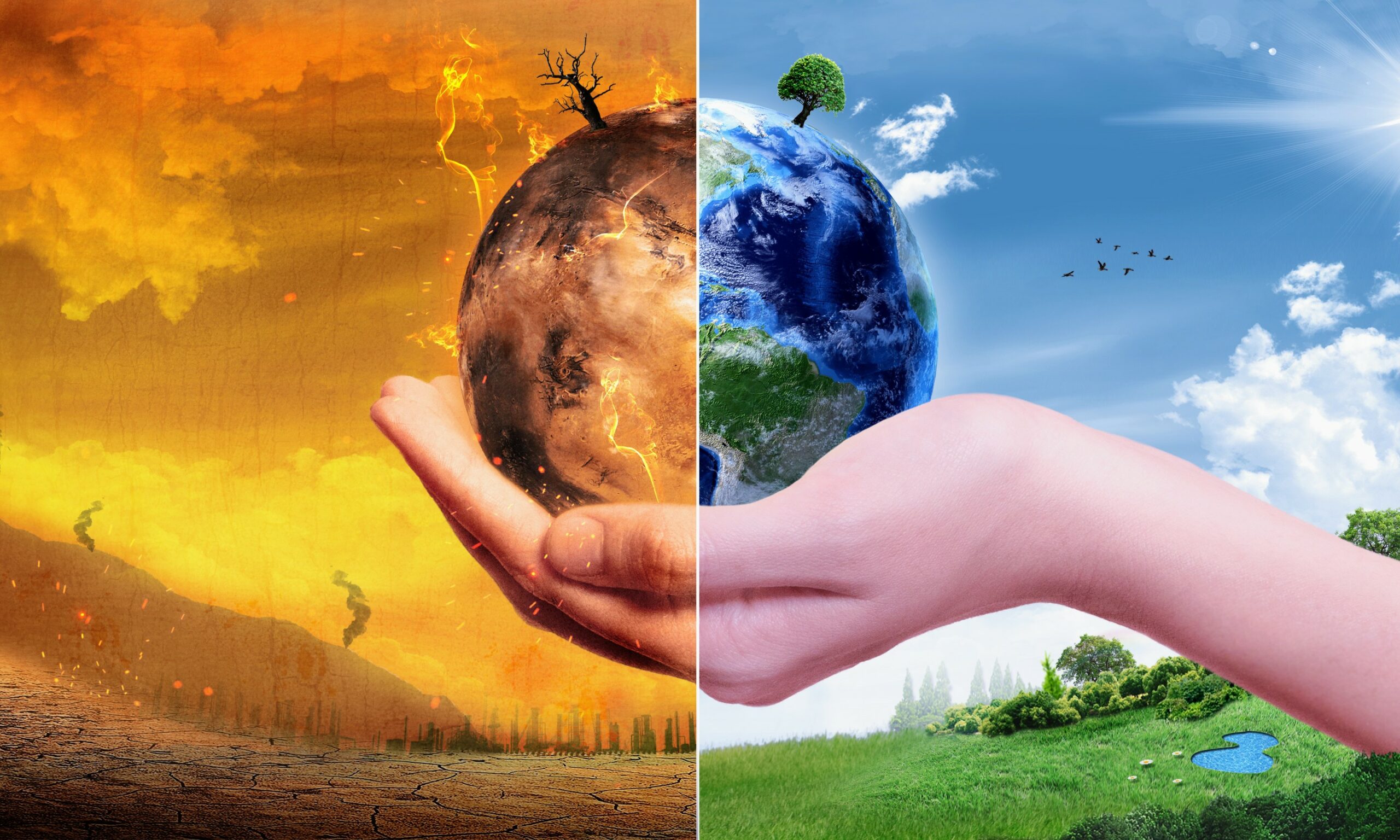
newtownrrt.org – Human activity has had a profound impact on the Earth, altering its landscapes, climate, and biodiversity in ways that are both vast and varied. The scale of these changes has accelerated in the past century, driven by population growth, technological advancements, and an ever-increasing demand for resources. This article explores the multifaceted effects of human activity on our planet, examining the consequences for the environment, wildlife, and human societies.
The Footprint of Urbanization
One of the most visible signs of human activity is the expansion of urban areas. Cities have grown exponentially, consuming vast tracts of land that were once forests, wetlands, or farmland. This urbanization has led to habitat destruction, fragmentation of ecosystems, and a loss of biodiversity. Skyscrapers and sprawling suburbs have replaced natural landscapes, leading to a homogenization of the environment and a reduction in the Earth’s ability to support diverse life forms.
Climate Change: A Human-Induced Crisis
Perhaps the most pressing issue resulting from human activity is climate change. The burning of fossil fuels, deforestation, and industrial processes have released vast amounts of greenhouse gases into the atmosphere, trapping heat and leading to global warming. The effects of climate change are far-reaching, including rising sea levels, more extreme weather events, and shifts in wildlife populations and habitats. These changes threaten food security, water resources, and the very fabric of human societies.
Deforestation and Its Consequences
Deforestation, driven by agriculture, logging, and urban expansion, has stripped the Earth of its forests at an alarming rate. Trees play a crucial role in the carbon cycle, absorbing CO2 from the atmosphere. Their loss not only exacerbates climate change but also leads to soil erosion, reduced rainfall, and the loss of species that depend on forest ecosystems. The impact of deforestation is felt globally, as it affects weather patterns and contributes to the degradation of air quality.
Pollution: A Silent Killer
Human activity has also led to widespread pollution of the Earth’s air, water, and soil. Industrial emissions, vehicle exhaust, and agricultural runoff have contaminated the environment with toxic substances, leading to health problems in humans and wildlife. Plastic pollution, in particular, has become a global issue, with millions of tons of plastic waste entering the oceans, where it endangers marine life and enters the food chain.
Overexploitation of Natural Resources
The relentless demand for natural resources has led to the overexploitation of the Earth’s bounty. Fossil fuels, minerals, timber, and freshwater are extracted at unsustainable rates, depleting reserves and disrupting ecosystems. Overfishing has decimated marine populations, while the unsustainable use of land for agriculture has led to the degradation of soil and the loss of fertile land.
The Path Forward
The impact of human activity on the Earth is undeniable, but it is not too late to mitigate the damage. Sustainable practices, conservation efforts, and a shift towards renewable energy sources can help to reduce our ecological footprint. Education, policy changes, and international cooperation are essential to address the global challenges we face. By recognizing our role in shaping the planet, we can work towards a future where human activity and environmental health are in harmony.
In conclusion, the impact of human activity on Earth is significant and requires urgent attention. By understanding the consequences of our actions and adopting more sustainable practices, we can protect the planet for future generations. The Earth is our only home, and it is up to us to ensure that it remains a vibrant and diverse world for all its inhabitants.