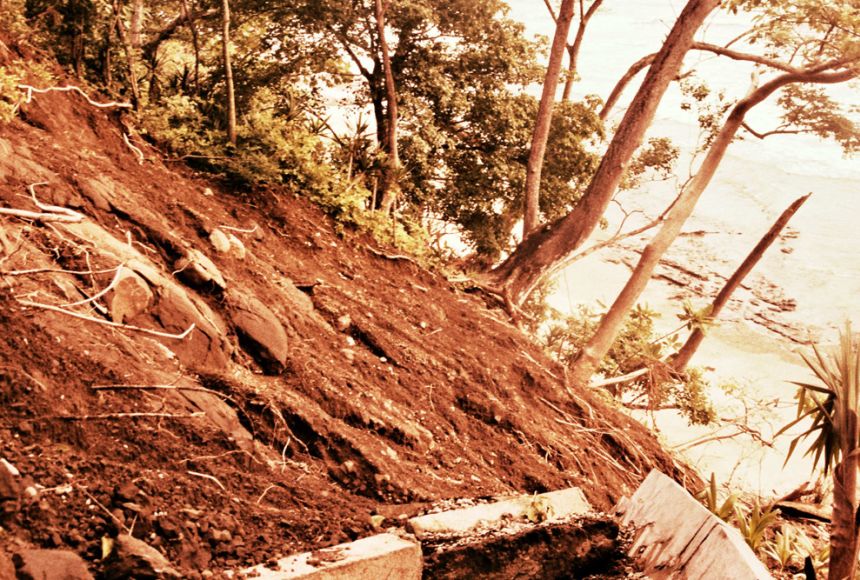
Landslides: When the Earth Moves – Types of Landslides

newtownrrt.org – Landslides are one of the most dramatic and destructive geological events, capable of reshaping landscapes and impacting communities in the blink of an eye. Understanding the causes and consequences of landslides is essential for mitigating their effects and ensuring the safety of those living in vulnerable areas.

What is a Landslide?

A landslide is the movement of rock, soil, and debris down a slope. This natural disaster can occur suddenly, often with little warning, and can vary in scale from small rockfalls to massive earth movements that cover entire valleys. Landslides are driven by gravity and can be triggered by a variety of natural and human-induced factors.

Types of Landslides

Landslides can be classified into several types based on their movement patterns and materials involved:

  1. Rotational Slides: These occur when a section of land moves downward and outward along a curved surface, often leaving a characteristic scarp or indentation at the top.
  2. Translational Slides: In this type, material moves along a more or less planar surface. These slides often involve rock or soil layers sliding over a more stable, underlying layer.
  3. Rockfalls: These involve the free fall of rock from a steep slope or cliff. Rockfalls can be triggered by weathering, freeze-thaw cycles, or seismic activity.
  4. Debris Flows: Also known as mudslides, these are fast-moving flows of water-saturated debris. They occur in areas with loose, waterlogged soil and are often triggered by heavy rainfall or rapid snowmelt.
  5. Earthflows: These are slower-moving than debris flows and involve fine-grained materials, such as clay or silt.

Causes of Landslides

Several factors can contribute to the occurrence of landslides:

  1. Geological Conditions: Weak or fractured rock layers, steep slopes, and loose soil can create conditions conducive to landslides.
  2. Water Saturation: Heavy rainfall, rapid snowmelt, or the overflow of rivers can increase water content in the soil, reducing its stability and leading to landslides.
  3. Seismic Activity: Earthquakes can shake loose rocks and soil, triggering landslides in seismic-prone regions.
  4. Human Activities: Deforestation, mining, construction, and road building can destabilize slopes, increasing the likelihood of landslides.

Mitigating the Risk

Understanding and managing landslide risk is crucial for protecting lives and property. Here are some strategies to mitigate these risks:

  • Hazard Mapping: Identifying areas at high risk for landslides through geological surveys and mapping can help in planning and zoning decisions.
  • Engineering Solutions: Retaining walls, drainage systems, and slope reinforcement techniques can stabilize vulnerable slopes and prevent landslides.
  • Vegetation Management: Planting vegetation can help stabilize soil and reduce erosion, decreasing the likelihood of landslides.
  • Early Warning Systems: Monitoring rainfall, soil moisture, and seismic activity can provide early warnings and allow for timely evacuations.

Conclusion

Landslides are a powerful reminder of the dynamic nature of our planet. While they can pose significant risks, understanding their causes and implementing effective mitigation strategies can help minimize their impact. By combining scientific understanding with practical measures, we can better prepare for and respond to these natural events, ensuring safer and more resilient communities.
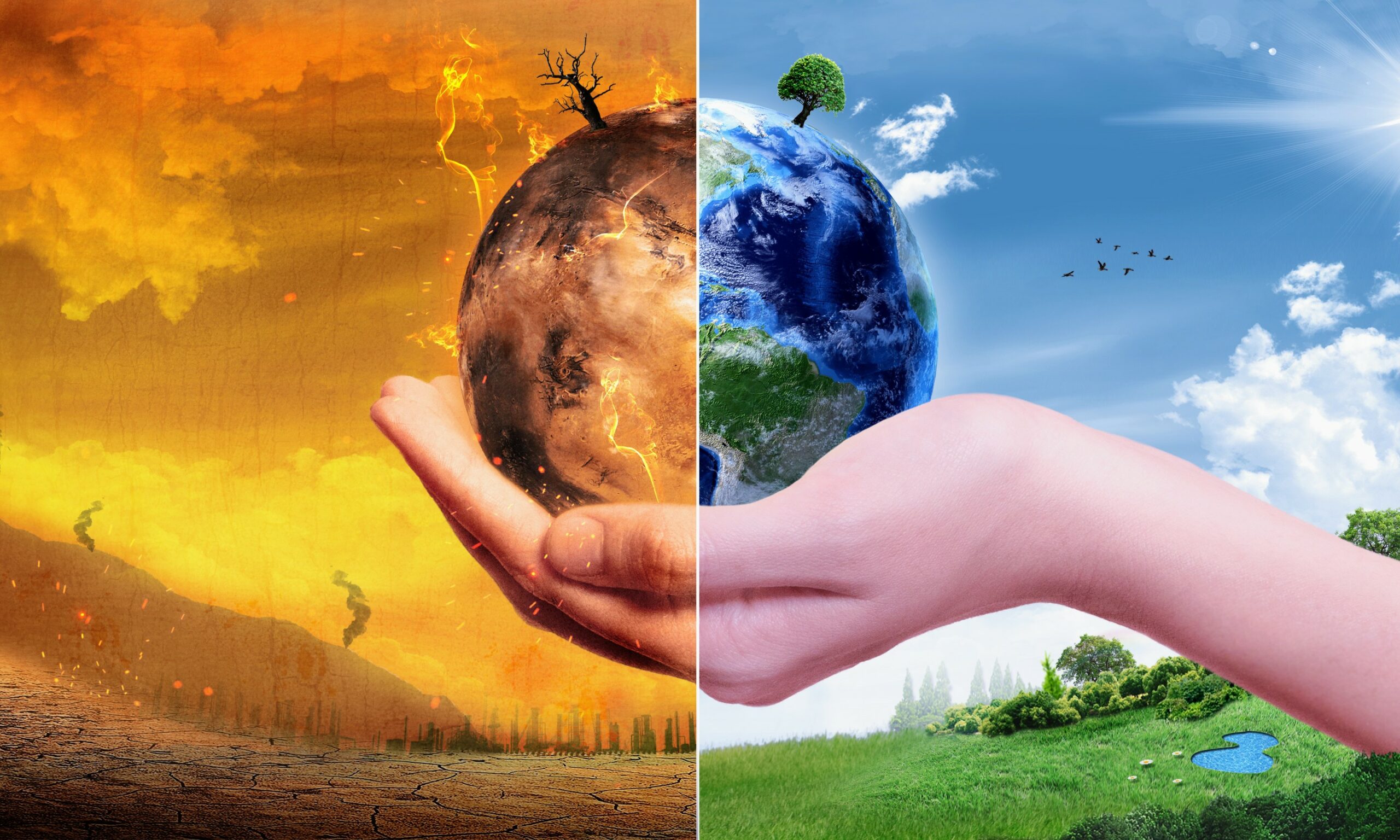

The Impact of Human Activity on Earth

newtownrrt.org – Human activity has had a profound impact on the Earth, altering its landscapes, climate, and biodiversity in ways that are both vast and varied. The scale of these changes has accelerated in the past century, driven by population growth, technological advancements, and an ever-increasing demand for resources. This article explores the multifaceted effects of human activity on our planet, examining the consequences for the environment, wildlife, and human societies.

The Footprint of Urbanization

One of the most visible signs of human activity is the expansion of urban areas. Cities have grown exponentially, consuming vast tracts of land that were once forests, wetlands, or farmland. This urbanization has led to habitat destruction, fragmentation of ecosystems, and a loss of biodiversity. Skyscrapers and sprawling suburbs have replaced natural landscapes, leading to a homogenization of the environment and a reduction in the Earth’s ability to support diverse life forms.

Climate Change: A Human-Induced Crisis

Perhaps the most pressing issue resulting from human activity is climate change. The burning of fossil fuels, deforestation, and industrial processes have released vast amounts of greenhouse gases into the atmosphere, trapping heat and leading to global warming. The effects of climate change are far-reaching, including rising sea levels, more extreme weather events, and shifts in wildlife populations and habitats. These changes threaten food security, water resources, and the very fabric of human societies.

Deforestation and Its Consequences

Deforestation, driven by agriculture, logging, and urban expansion, has stripped the Earth of its forests at an alarming rate. Trees play a crucial role in the carbon cycle, absorbing CO2 from the atmosphere. Their loss not only exacerbates climate change but also leads to soil erosion, reduced rainfall, and the loss of species that depend on forest ecosystems. The impact of deforestation is felt globally, as it affects weather patterns and contributes to the degradation of air quality.

Pollution: A Silent Killer

Human activity has also led to widespread pollution of the Earth’s air, water, and soil. Industrial emissions, vehicle exhaust, and agricultural runoff have contaminated the environment with toxic substances, leading to health problems in humans and wildlife. Plastic pollution, in particular, has become a global issue, with millions of tons of plastic waste entering the oceans, where it endangers marine life and enters the food chain.

Overexploitation of Natural Resources

The relentless demand for natural resources has led to the overexploitation of the Earth’s bounty. Fossil fuels, minerals, timber, and freshwater are extracted at unsustainable rates, depleting reserves and disrupting ecosystems. Overfishing has decimated marine populations, while the unsustainable use of land for agriculture has led to the degradation of soil and the loss of fertile land.

The Path Forward

The impact of human activity on the Earth is undeniable, but it is not too late to mitigate the damage. Sustainable practices, conservation efforts, and a shift towards renewable energy sources can help to reduce our ecological footprint. Education, policy changes, and international cooperation are essential to address the global challenges we face. By recognizing our role in shaping the planet, we can work towards a future where human activity and environmental health are in harmony.

In conclusion, the impact of human activity on Earth is significant and requires urgent attention. By understanding the consequences of our actions and adopting more sustainable practices, we can protect the planet for future generations. The Earth is our only home, and it is up to us to ensure that it remains a vibrant and diverse world for all its inhabitants.

Women’s Struggles in the Most Dangerous Places on Earth

In a world where progress and development are celebrated, there are pockets of darkness where women are trapped in a cycle of violence, oppression, and fear. These are the most dangerous places on earth for women, where the basic rights and freedoms that many take for granted are stripped away. This article delves into the harrowing realities faced by women in these regions, shedding light on their struggles and the resilience that defines their fight for survival and dignity.

The Battle for Survival:
In conflict zones like Syria, Afghanistan, and the Democratic Republic of Congo, women are often caught in the crossfire, with their bodies becoming battlefields for the atrocities of war. Rape is used as a weapon of war, a tactic to terrorize and humiliate communities. Women in these regions face the constant threat of sexual violence, abduction, and forced marriage, living in a perpetual state of fear.

The Struggle for Education:
In countries like Nigeria, where the infamous kidnapping of 276 schoolgirls in Chibok occurred, education for girls is seen as a threat by extremist groups. These groups believe that women should not be educated, perpetuating a cycle of ignorance and control. The struggle for education is not just about learning; it is about breaking free from the shackles of imposed ignorance and claiming a future of possibilities.

The Fight for Freedom:
In Saudi Arabia and Iran, women’s freedoms are severely restricted by laws and cultural norms. Until recently, Saudi women were not allowed to drive, and in both countries, women must have a male guardian’s permission to make significant life decisions. The fight for freedom in these places is about the right to choose, to move, and to live without the shadow of a male-dominated society dictating every aspect of their lives.

The Quest for Justice:
In India and parts of Africa, women are disproportionately affected by violence, including domestic abuse and brutal crimes like acid attacks. The quest for justice is an uphill battle, with legal systems often failing to protect women or provide them with the justice they deserve. The #MeToo movement has begun to take root in some of these places, but the road to equality and justice is long and fraught with challenges.

The Power of Resilience:
Despite the overwhelming odds, women in these dangerous places exhibit extraordinary resilience. They are the backbone of their communities, often the primary caregivers and breadwinners, despite the dangers they face. They are activists, educators, and leaders, fighting for change from the ground up. Their resilience is a testament to the strength of the human spirit in the face of adversity.

Conclusion:
The struggles of women in the most dangerous places on earth are a stark reminder of the inequalities that persist in our world. Their fight is not just for themselves but for future generations who deserve to live in a world free from fear and oppression. As global citizens, it is our responsibility to stand in solidarity with these women, to amplify their voices, and to support the movements that strive for change. No woman should have to live in fear, and the fight for their rights is a fight for the rights of all humanity.