
Pempek: The Quintessential Indonesian Fish Cake

newtownrrt.org – Pempek, a beloved dish from Palembang in South Sumatra, Indonesia, is a delectable fish cake that has captured the hearts and taste buds of locals and visitors alike. Known for its unique texture and savory flavor, Pempek is a versatile dish that can be enjoyed as a snack, appetizer, or main course. Its popularity has spread far beyond its place of origin, making it a staple in Indonesian culinary culture.

The Ingredients and Varieties of Pempek

Pempek is made primarily from a combination of fish and tapioca flour, which gives it a chewy texture. The most commonly used fish is mackerel, although other types of fish can also be used depending on regional availability and preference. The dough is seasoned with garlic, salt, and sugar to enhance its flavor.

There are several varieties of Pempek, each offering a different taste experience:

  • Pempek Kapal Selam: Known as the “submarine” due to its shape, this variety is filled with a boiled egg and is one of the most popular types.
  • Pempek Lenjer: A cylindrical version, usually served sliced.
  • Pempek Adaan: A round, fried version with a more robust flavor.
  • Pempek Kulit: Made from fish skin, offering a distinct taste and texture.

How Pempek is Prepared

The preparation of Pempek involves several steps, starting with the creation of the dough by combining fish paste and tapioca flour. The dough is then shaped into various forms, depending on the type of Pempek being made. Once shaped, the fish cakes are boiled until they float, indicating they are cooked through.

After boiling, Pempek can be fried to give it a crispy exterior, enhancing its flavor and texture. The fried fish cakes are then served with a special dipping sauce known as “cuko,” which is made from vinegar, palm sugar, chili, and garlic. This tangy, sweet, and spicy sauce complements the savory fish cakes perfectly.

The Cultural Significance of Pempek

Pempek holds a special place in Indonesian culinary heritage, particularly in Palembang, where it is considered a traditional dish. It is often enjoyed during family gatherings, celebrations, and festivals. The dish’s versatility and ease of preparation have contributed to its widespread popularity across Indonesia.

In Palembang, Pempek is more than just food; it is a symbol of the city’s rich cultural history and its people’s ingenuity in creating delicious dishes from locally available ingredients.

Conclusion

Pempek is a testament to the flavorful and diverse nature of Indonesian cuisine. Its combination of fish and tapioca, along with the distinct cuko sauce, creates a memorable taste experience that appeals to many palates. Whether you’re sampling it for the first time or enjoying it as a familiar favorite, Pempek offers a delicious journey into the heart of Indonesian culinary tradition.
Living with Fire: Indonesian Volcanoes

newtownrrt.org – Indonesia, an archipelago nation in Southeast Asia, is home to some of the most majestic and awe-inspiring natural phenomena on Earth. With over 130 active volcanoes, it has the highest concentration of volcanoes in the world. This geological activity is a result of the country’s location on the Pacific Ring of Fire, an area in the basin of the Pacific Ocean where a large number of earthquakes and volcanic eruptions occur.

A Blessing and a Curse

The presence of these volcanoes is a double-edged sword for the Indonesian people. On one hand, the volcanic ash enriches the soil, making it fertile for agriculture, which is a cornerstone of the Indonesian economy. On the other hand, the constant threat of eruptions poses significant risks to life and property. The Indonesian government and its people have had to adapt to living with the fire beneath their feet.

Living with Volcanic Unpredictability

Life in volcanic-prone areas of Indonesia requires a unique resilience. Communities have developed a symbiotic relationship with their fiery neighbors, learning to predict and prepare for eruptions. The Center for Volcanology and Geological Hazard Mitigation (PVMBG) plays a crucial role in monitoring volcanic activity and issuing warnings to the public. Despite these efforts, the unpredictable nature of volcanic eruptions means that the threat is always present.

The Impact of Eruptions

When volcanoes do erupt, the impact can be devastating. The 2010 eruption of Mount Merapi, for example, resulted in the deaths of over 300 people and the displacement of tens of thousands. The ashfall can cause respiratory problems, disrupt air travel, and damage crops and infrastructure. The economic cost of such events is significant, yet the Indonesian spirit remains unbroken.

Cultural Significance of Volcanoes

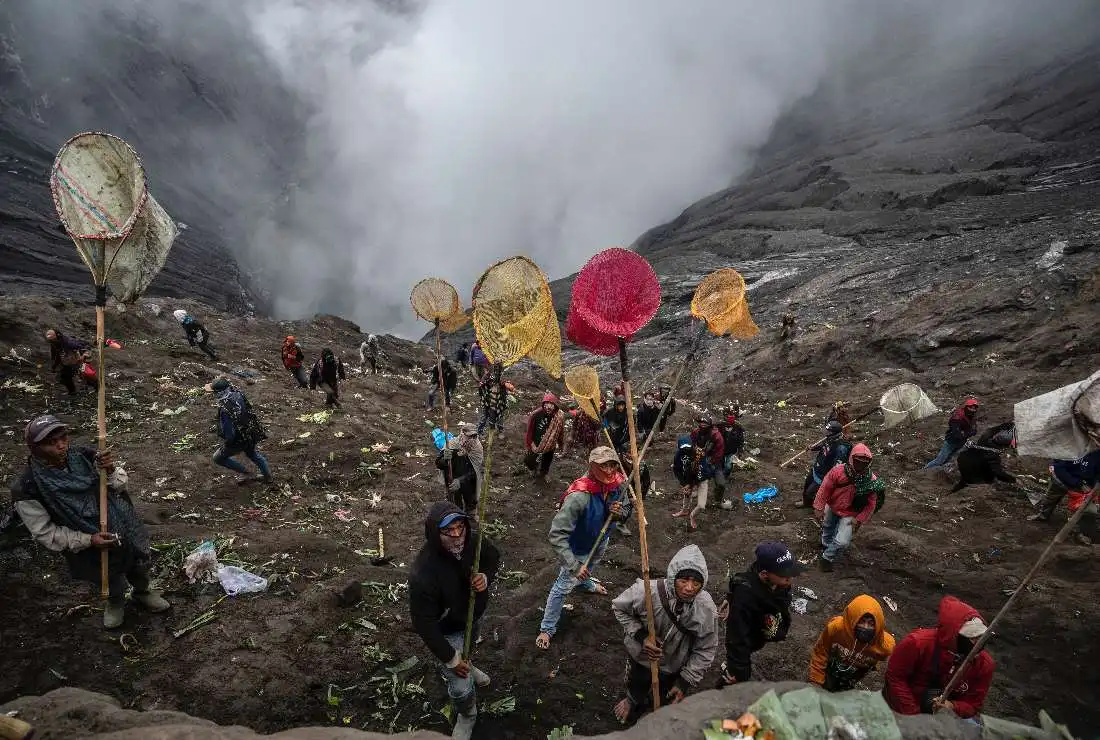
Volcanoes are not just a part of the Indonesian landscape; they are deeply ingrained in the culture and mythology of the people. Many volcanoes are considered sacred, with local traditions and rituals performed to appease the spirits believed to reside within them. This cultural significance adds another layer to the complex relationship between the Indonesian people and their volcanic environment.

Mitigation and Preparedness

The Indonesian government and various organizations have implemented various measures to mitigate the risks associated with living near active volcanoes. These include the construction of shelters, evacuation plans, and public education campaigns. International collaboration also plays a key role in sharing knowledge and technology to better understand and predict volcanic behavior.

Conclusion

Indonesian volcanoes are a testament to the power and beauty of nature. They are a constant reminder of the delicate balance between human life and the forces of the Earth. Living with fire is not just a challenge for the Indonesian people; it is a way of life that has shaped their culture, economy, and spirit. As the world watches the dance of fire and ash, Indonesia stands as a beacon of resilience and adaptation in the face of one of nature’s most formidable forces.