Couscous: Tiny Grains with a Rich History

newtownrrt.org – Couscous, those tiny steamed granules of semolina (durum wheat), are a staple food throughout North Africa and have become increasingly popular worldwide. More than just a grain, couscous represents a rich culinary heritage, a symbol of hospitality, and a versatile ingredient that adapts seamlessly to a wide range of flavors and cuisines.   

Origins and Cultural Significance

The origins of couscous can be traced back to North Africa, with evidence suggesting its consumption as early as the 10th century. Its roots are deeply intertwined with the Berber people, the indigenous inhabitants of North Africa, who are credited with its early development. The process of making couscous was traditionally a laborious undertaking, involving hand-rolling semolina granules and steaming them multiple times. This process was often a communal activity, bringing families and communities together.   

Couscous holds significant cultural importance in North African societies. It is a staple food enjoyed in daily meals, as well as during special occasions, celebrations, and religious festivals. It is a symbol of hospitality, often served to guests as a sign of welcome. The act of preparing and sharing couscous is deeply ingrained in North African traditions, passed down through generations.   

Preparing Couscous: A Steaming Process

While instant couscous is readily available today, traditional preparation involves a more elaborate steaming process that yields a fluffier and more flavorful result.

  1. Preparing the Semolina: Coarse semolina is moistened with water and rolled by hand to form small granules. This process requires skill and patience to achieve the desired consistency.

  2. Steaming the Couscous: The couscous is steamed in a special pot called a couscoussier, which consists of a bottom pot for cooking a stew or broth and a top pot with a perforated base for steaming the couscous. The couscous is steamed over the simmering stew or broth, allowing it to absorb the flavors.   

  3. Fluffing the Couscous: During the steaming process, the couscous is periodically fluffed with a fork to prevent it from clumping and to ensure even cooking.   

  4. Multiple Steamings (Traditional Method): Traditionally, the couscous is steamed multiple times, with periods of resting and fluffing in between. This process allows the couscous to become incredibly light and fluffy.   

  5. Using Instant Couscous: Today, instant couscous is widely available, simplifying the preparation process. Instant couscous simply needs to be rehydrated with boiling water or broth and then fluffed with a fork.   

Serving and Accompaniments

Couscous is incredibly versatile and can be served with a wide variety of accompaniments, making it suitable for both savory and sweet dishes.   

Savory Dishes:

  • Tagines: Rich and flavorful stews cooked in a tagine, a traditional North African cooking vessel. Tagines often include meat (lamb, chicken), vegetables, dried fruits, and spices.   
  • Vegetable Stews: Various vegetable stews, often incorporating ingredients like chickpeas, carrots, zucchini, and tomatoes.   
  • Meat and Vegetable Combinations: Couscous pairs well with grilled or roasted meats, as well as various vegetable combinations.   
  • Sauces and Broths: Couscous can be served with flavorful sauces or broths, allowing it to absorb the flavors.   

Sweet Dishes:

  • Sweet Couscous with Dried Fruits and Nuts: Couscous can be sweetened with sugar or honey and mixed with dried fruits (raisins, dates, apricots) and nuts (almonds, pistachios).
  • Couscous with Milk or Yogurt: Couscous can be served with milk or yogurt for a simple and satisfying dessert.   

Nutritional Value and Health Benefits

Couscous is a good source of carbohydrates, providing energy. It also contains some fiber, particularly if whole wheat semolina is used. It is relatively low in fat and cholesterol.   

Nutritional Benefits:

  • Source of Energy: Couscous provides carbohydrates, which are the body’s primary source of energy.   
  • Good Source of Selenium: Couscous is a good source of selenium, an essential mineral that acts as an antioxidant and plays a role in thyroid function.   
  • Contains Fiber: Couscous contains fiber, which aids digestion and promotes gut health.   

Regional Variations

While the basic concept of couscous remains the same across North Africa, there are regional variations in preparation methods, accompaniments, and serving styles.   

  • Moroccan Couscous: Often served with a rich tagine, incorporating a variety of meats, vegetables, and spices.   
  • Tunisian Couscous: Often spicier than Moroccan couscous, incorporating harissa paste and vegetables like carrots, potatoes, and chickpeas.   
  • Algerian Couscous: Often simpler than Moroccan or Tunisian couscous, focusing on the flavor of the semolina and broth.

Couscous’s Global Journey

From its origins in North Africa, couscous has traveled the world, becoming a popular ingredient in various cuisines. Its versatility, ease of preparation (especially with instant couscous), and nutritional value have contributed to its global appeal. Today, couscous is enjoyed in countless variations, reflecting the diverse culinary traditions of the world. It remains a testament to the enduring power of simple ingredients and the rich cultural heritage of North Africa.   
Sarma: A Flavorful Feast Wrapped in Leaves – A Global Delight

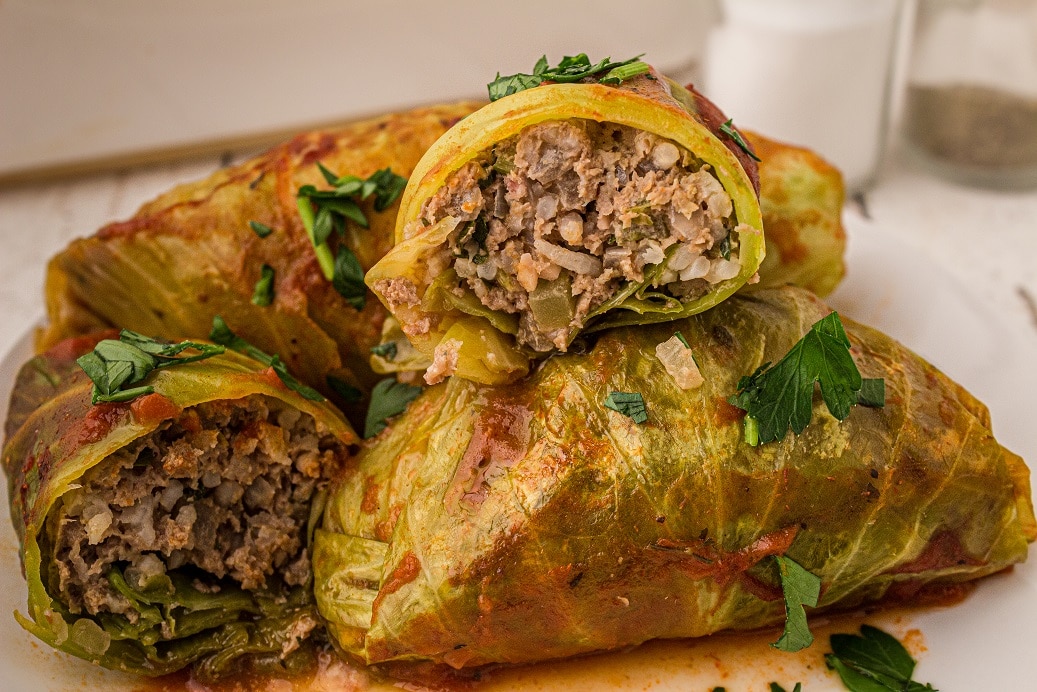
newtownrrt.org – Sarma, a beloved dish in many cultures, particularly in the Balkans and Eastern Europe, is a delightful blend of savory flavors and tender textures. This culinary masterpiece involves carefully stuffing cabbage leaves with a mixture of meat, rice, and aromatic spices, and then simmering them until they are tender and flavorful.

A Global Delight

While the specific ingredients and preparation methods may vary from region to region, the core concept of Sarma remains the same: a delicious filling encased in tender cabbage leaves. In the Balkans, Sarma is often associated with winter comfort food, while in other parts of the world, it is enjoyed year-round.

The Art of Making Sarma

Crafting the perfect Sarma requires patience and skill. The cabbage leaves are blanched to soften them, making them easier to work with. The filling, typically a combination of ground meat (often beef or pork), rice, onions, and a variety of spices, is carefully placed inside each leaf. The stuffed leaves are then rolled tightly and arranged in a pot, often with a layer of sauerkraut or tomato sauce at the bottom. The pot is covered and simmered for several hours until the Sarma is tender and the flavors have melded together.

A Flavorful Feast

Sarma is a dish that can be enjoyed on its own or served with a variety of sides. It is often accompanied by a dollop of sour cream or yogurt, which helps to balance the rich flavors of the filling. In some cultures, Sarma is served with a side of mashed potatoes or a hearty soup.

The Green Gold: A Comprehensive Look at Limes

newtownrrt.org – Limes, with their vibrant green color and tart flavor, have been prized for centuries. These citrus fruits are not only delicious but also packed with essential vitamins, minerals, and antioxidants. From their culinary uses to their medicinal properties, limes have earned their place as a versatile and healthful ingredient.

A Brief History

The exact origins of limes are uncertain, but they are believed to have originated in Southeast Asia. From Southeast Asia, limes spread to India, Persia, and eventually to Europe and the Americas. The Spanish introduced limes to the Caribbean and Florida in the 16th century, and they have since become a staple crop in many tropical regions.

Nutritional Benefits

Limes are a nutritional powerhouse, offering a range of health benefits:

  • Vitamin C: Limes are an excellent source of vitamin C, which is essential for immune function and skin health.
  • Antioxidants: The antioxidants in limes help protect cells from damage caused by free radicals.
  • Potassium: Potassium is essential for maintaining healthy blood pressure.
  • Fiber: Limes contain a moderate amount of fiber, which aids in digestion and promotes satiety.

Culinary Uses

Limes are a versatile ingredient that can be used in a variety of dishes:

  • Fresh Juice: Lime juice is a popular ingredient in drinks, sauces, and marinades.
  • Zest: Lime zest adds a bright, citrusy flavor to baked goods, sauces, and marinades.
  • Preserves: Limes can be used to make lime curd, lime marmalade, and other preserves.
  • Cocktails: Limes are a key ingredient in many classic cocktails, such as the margarita and the mojito.

Health Benefits

In addition to their nutritional value, limes have several health benefits:

  • Digestive Health: Lime juice can help stimulate digestion and relieve indigestion.
  • Immune Boost: The vitamin C in limes can help boost the immune system and protect against infections.
  • Skin Health: The antioxidants in limes can help protect the skin from damage caused by free radicals.
  • Weight Loss: Lime water can help boost metabolism and promote weight loss.

Selecting and Storing Limes

When selecting limes, choose fruits that are firm, heavy for their size, and have a bright green color. Avoid limes with blemishes or soft spots. Store limes in a cool, dry place, away from direct sunlight.

Conclusion

Limes, with their tart flavor, vibrant color, and numerous health benefits, are a versatile and delicious fruit. Whether you’re using them to add flavor to your dishes or to boost your health, limes are sure to brighten your day.

Gamjatang: A Hearty Korean Pork Bone Soup

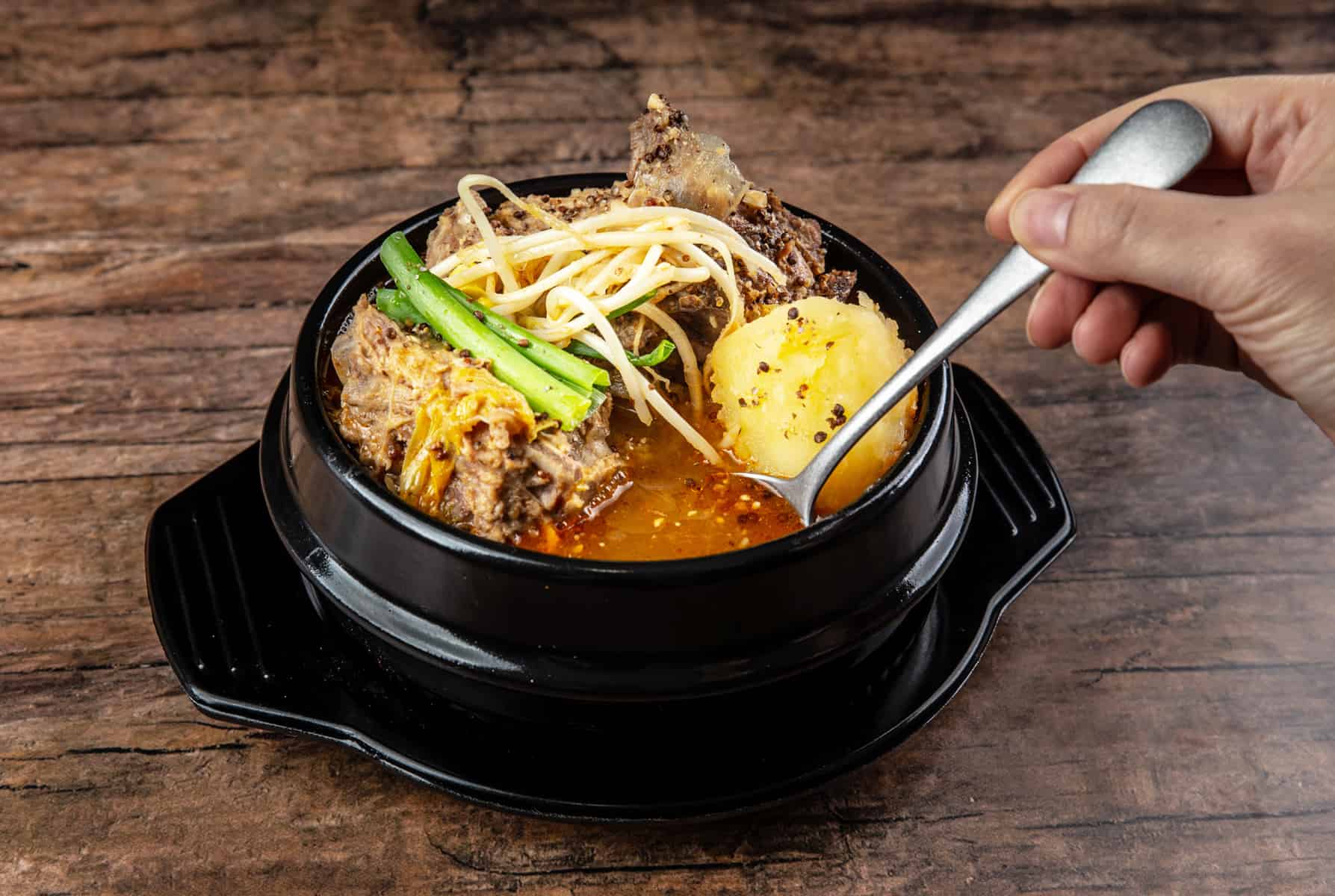
newtownrrt.org – Gamjatang, a traditional Korean pork bone soup, is a beloved comfort food known for its rich flavors and nourishing qualities. This robust and spicy soup features tender pork bones and hearty potatoes, making it a staple in Korean households and restaurants alike. This article delves into the history, ingredients, and preparation of Gamjatang, highlighting why it remains a favorite among Korean dishes.

History and Cultural Significance

Gamjatang has its roots in the Korean farming communities, where it served as a hearty meal to sustain hard-working farmers. The soup is believed to have originated in the southern regions of Korea, particularly in Jeolla Province. It was traditionally made with leftover pork bones, turning an otherwise humble ingredient into a flavorful and satisfying dish.

Over time, Gamjatang has become a popular dish throughout Korea, enjoyed for its warming qualities and depth of flavor. It is often consumed during colder months or as a hangover remedy, thanks to its comforting and nutritious properties.

Ingredients and Preparation

The key to a delicious Gamjatang lies in the slow simmering of pork bones, which releases rich flavors and nutrients. The soup is characterized by its spicy and savory broth, complemented by tender meat and soft potatoes.

Key Ingredients

  1. Pork Neck Bones: These bones are the cornerstone of Gamjatang, providing the soup with its rich and meaty base.
  2. Potatoes: Potatoes add heartiness to the dish, absorbing the flavors of the broth.
  3. Spices and Seasonings: Key seasonings include gochugaru (Korean red pepper flakes), doenjang (fermented soybean paste), and gochujang (red chili paste) for a spicy kick.
  4. Vegetables: Napa cabbage, perilla leaves, and green onions are commonly added for texture and freshness.
  5. Perilla Seeds: Ground perilla seeds contribute a unique nutty flavor and are a traditional addition to the soup.

Preparation Steps

  1. Preparing the Pork Bones: Clean and soak the pork bones in cold water to remove impurities. Boil them briefly, then rinse and set aside.
  2. Making the Broth: In a large pot, simmer the pork bones with water for several hours. This slow cooking process extracts the marrow and flavors, creating a hearty broth.
  3. Seasoning the Broth: Add gochugaru, gochujang, and doenjang to the broth, adjusting the spice level to taste. Include garlic and ginger for additional flavor.
  4. Adding Vegetables and Potatoes: Once the broth is well-seasoned, add potatoes and simmer until tender. Then, add napa cabbage and perilla leaves.
  5. Finishing Touches: Just before serving, stir in ground perilla seeds and garnish with chopped green onions for a fresh burst of flavor.

Conclusion

Gamjatang is more than just a soup; it’s a culinary experience that embodies the warmth and richness of Korean cuisine. With its spicy broth, tender pork, and hearty potatoes, Gamjatang is a dish that satisfies both the palate and the soul. Whether enjoyed at home or in a bustling Korean restaurant, this traditional soup remains a comforting and delicious reminder of Korea’s vibrant food culture.

Pempek: The Quintessential Indonesian Fish Cake

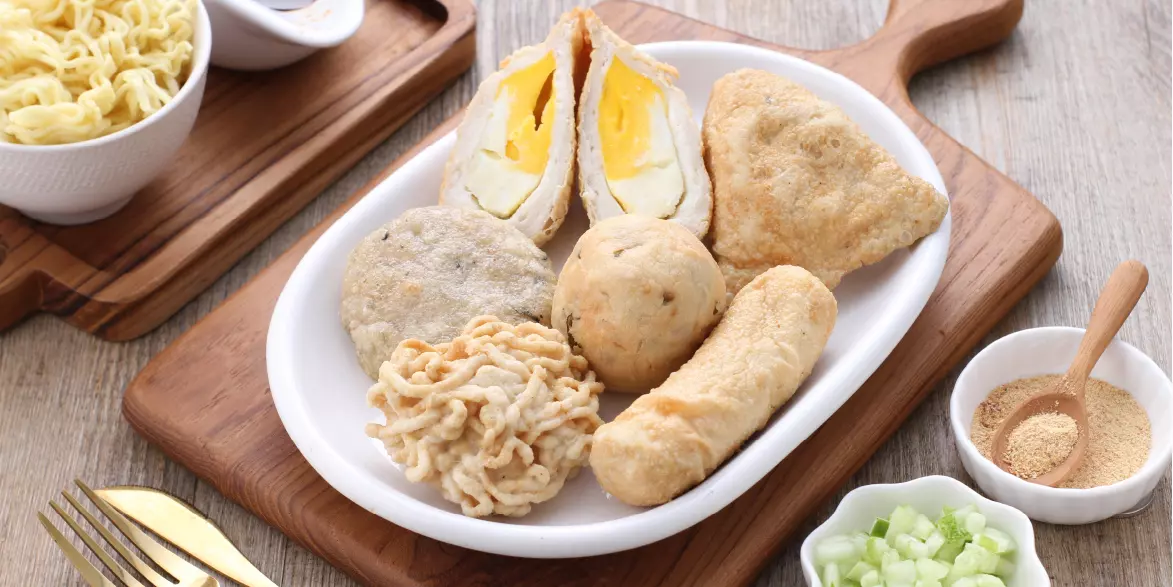
newtownrrt.org – Pempek, a beloved dish from Palembang in South Sumatra, Indonesia, is a delectable fish cake that has captured the hearts and taste buds of locals and visitors alike. Known for its unique texture and savory flavor, Pempek is a versatile dish that can be enjoyed as a snack, appetizer, or main course. Its popularity has spread far beyond its place of origin, making it a staple in Indonesian culinary culture.

The Ingredients and Varieties of Pempek

Pempek is made primarily from a combination of fish and tapioca flour, which gives it a chewy texture. The most commonly used fish is mackerel, although other types of fish can also be used depending on regional availability and preference. The dough is seasoned with garlic, salt, and sugar to enhance its flavor.

There are several varieties of Pempek, each offering a different taste experience:

  • Pempek Kapal Selam: Known as the “submarine” due to its shape, this variety is filled with a boiled egg and is one of the most popular types.
  • Pempek Lenjer: A cylindrical version, usually served sliced.
  • Pempek Adaan: A round, fried version with a more robust flavor.
  • Pempek Kulit: Made from fish skin, offering a distinct taste and texture.

How Pempek is Prepared

The preparation of Pempek involves several steps, starting with the creation of the dough by combining fish paste and tapioca flour. The dough is then shaped into various forms, depending on the type of Pempek being made. Once shaped, the fish cakes are boiled until they float, indicating they are cooked through.

After boiling, Pempek can be fried to give it a crispy exterior, enhancing its flavor and texture. The fried fish cakes are then served with a special dipping sauce known as “cuko,” which is made from vinegar, palm sugar, chili, and garlic. This tangy, sweet, and spicy sauce complements the savory fish cakes perfectly.

The Cultural Significance of Pempek

Pempek holds a special place in Indonesian culinary heritage, particularly in Palembang, where it is considered a traditional dish. It is often enjoyed during family gatherings, celebrations, and festivals. The dish’s versatility and ease of preparation have contributed to its widespread popularity across Indonesia.

In Palembang, Pempek is more than just food; it is a symbol of the city’s rich cultural history and its people’s ingenuity in creating delicious dishes from locally available ingredients.

Conclusion

Pempek is a testament to the flavorful and diverse nature of Indonesian cuisine. Its combination of fish and tapioca, along with the distinct cuko sauce, creates a memorable taste experience that appeals to many palates. Whether you’re sampling it for the first time or enjoying it as a familiar favorite, Pempek offers a delicious journey into the heart of Indonesian culinary tradition.

A Gastronomical Adventure: The Best Street Food Cities in the World

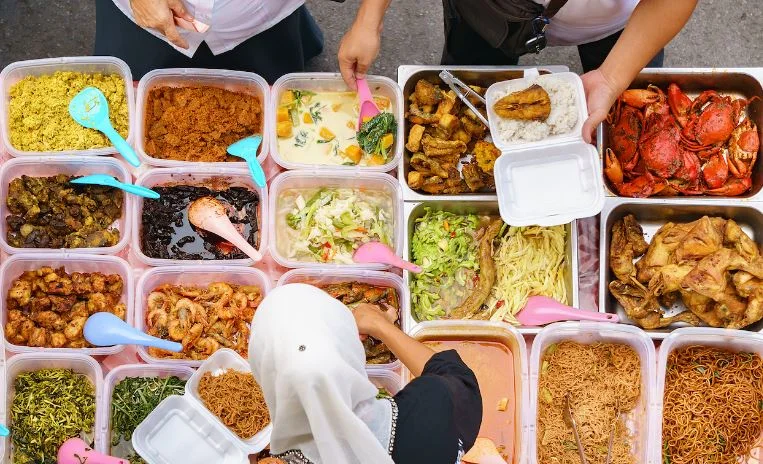
newtownrrt.org – Street food is more than just a way to grab a quick bite; it’s a cultural experience that offers a glimpse into the soul of a city. From the bustling streets of Asia to the vibrant markets of Latin America, street food is a universal language that brings people together through the shared love of food. This article explores some of the best street food cities in the world, each offering a unique gastronomical adventure.

Asia: A Mecca for Street Food Enthusiasts

Bangkok, Thailand

Bangkok is a street food paradise, where vendors sell everything from savory pad Thai to sweet mango sticky rice. The city’s vibrant street markets, such as Chatuchak and Yaowarat, are a must-visit for food enthusiasts. The diversity of flavors and the sheer variety of dishes make Bangkok a top destination for street food lovers.

Tokyo, Japan

Tokyo’s street food scene is a blend of tradition and innovation. From the iconic takoyaki (octopus balls) to the more adventurous fugu (pufferfish), Tokyo offers a wide range of culinary delights. The city’s izakayas (Japanese pubs) and yakitori (grilled chicken skewer) stands are perfect for a late-night snack.

Istanbul, Turkey

Istanbul bridges the gap between Europe and Asia, and its street food scene reflects this unique position. Must-try dishes include the savory gozleme (stuffed flatbread), the sweet baklava, and the iconic döner kebab. The streets of Istanbul are a culinary adventure, with each bite offering a taste of the city’s rich history and culture.

Latin America: A Fusion of Flavors and Traditions

Mexico City, Mexico

Mexico City is renowned for its vibrant street food scene, where tacos al pastor, elote (grilled corn on the cob), and churros are just the beginning. The city’s mercados (markets) are bustling with vendors selling a variety of traditional dishes, each with its own unique twist.

São Paulo, Brazil

São Paulo’s street food scene is a melting pot of cultures, with influences from Italy, Japan, and the Middle East. The city is famous for its feijoada (black bean stew), pastel (fried pastry), and coxinha (chicken croquette). The diversity of São Paulo’s street food reflects the city’s cosmopolitan nature.

Lima, Peru

Lima is a culinary capital, with its street food scene offering a taste of Peru’s rich gastronomical heritage. Dishes like ceviche, anticuchos (grilled skewers), and picarones (sweet potato doughnuts) are a testament to the city’s fusion of indigenous and Spanish influences.

Europe: A Tapestry of Flavors

Paris, France

Paris may be known for its haute cuisine, but the city also has a thriving street food scene. From the classic crêpes and baguette sandwiches to the more modern food trucks serving gourmet burgers and ethnic dishes, Paris offers a variety of street food options that cater to every palate.

Berlin, Germany

Berlin’s street food scene is a reflection of the city’s dynamic and multicultural identity. The city is famous for its currywurst (curried sausage), döner kebab, and the traditional Berliner (jelly-filled doughnut). The Markthalle Neun and the Street Food Thursday at RAW-Gelände are must-visit destinations for food enthusiasts.

Barcelona, Spain

Barcelona’s street food scene is a mix of traditional and modern, with tapas being the star of the show. From the classic patatas bravas (spicy potatoes) to the more adventurous pulpo a la gallega (Galician octopus), Barcelona’s street food offers a taste of Spain’s rich culinary traditions.

Conclusion

The best street food cities in the world offer more than just a meal; they offer a cultural experience that is both authentic and unforgettable. Whether you’re exploring the bustling markets of Bangkok, savoring the flavors of Mexico City, or indulging in the culinary delights of Paris, each city has its own unique story to tell through its street food. A gastronomical adventure awaits in these cities, promising a feast for the senses and memories that will last a lifetime.

Embracing the Dawn with Nihau Sunrise Snack

newtownrrt.org – As the first light of dawn breaks across the horizon, Nihau Sunrise Snack emerges as a beacon of tranquility and culinary delight. This quaint establishment offers more than just a morning treat; it provides a serene setting where guests can savor the beauty of a new day while enjoying delectable snacks and beverages.

A Menu Inspired by Nature

The menu at Nihau Sunrise Snack is a testament to the island’s bountiful natural resources. Each item is thoughtfully crafted to reflect the flavors of the land and sea, from freshly baked pastries and artisanal bread to locally sourced fruits and organic teas. The emphasis on quality and sustainability ensures that every bite is not only delicious but also environmentally conscious.

A Picturesque Setting

Dining at Nihau Sunrise Snack is an experience that engages all the senses. The restaurant’s location offers a panoramic view of the sunrise, casting a golden glow over the tranquil surroundings. Whether seated indoors with a cozy ambiance or outdoors to feel the gentle morning breeze, guests are invited to relax and soak in the beauty of the moment.

Warm Hospitality and Attentive Service

The staff at Nihau Sunrise Snack embodies the essence of island hospitality. Their warm smiles and attentive service create a welcoming atmosphere that makes guests feel at home. From the moment you arrive, you are greeted with genuine aloha spirit, ensuring a pleasant and memorable experience.

A Perfect Beginning to Your Island Adventure

For those seeking a peaceful start to their day, Nihau Sunrise Snack is the ideal destination. It’s a place where you can pause, reflect, and rejuvenate before embarking on your island adventures. Whether you’re a local resident or a visitor, this serene spot offers a tranquil retreat that sets the tone for a day filled with joy and exploration.

A Must-Visit for Early Risers and Nature Lovers

Nihau Sunrise Snack is more than just a place to grab a quick bite; it’s a sanctuary for early risers and nature lovers. It offers a unique opportunity to connect with the natural beauty of the island while indulging in delicious snacks and beverages. As the sun rises, casting its warm light on the landscape, you’ll understand why this hidden gem is a must-visit for anyone looking to embrace the dawn in paradise.

A Monarch’s Dining Decrees: The Throne and the Table

newtownrrt.org – In the grand tapestry of history, where power and tradition intertwine, the dining habits and decrees of monarchs have often left indelible marks. These rulers, from various epochs and corners of the globe, have not only shaped the political landscapes of their times but also influenced culinary practices and etiquette that have trickled down through generations. “The Throne and the Table: A Monarch’s Dining Decrees” delves into the fascinating world of royal dining, exploring how the whims and regulations of monarchs have impacted the way we eat today.

The Culinary Legacy of Monarchs

Monarchs have been at the forefront of culinary innovation and conservation, often dictating what was fashionable or forbidden on the table. Their influence extended beyond the royal kitchens, shaping the dietary habits of their subjects and, in some cases, the global culinary scene. The introduction of new foods, the establishment of royal kitchens, and the sponsorship of explorations for spices and ingredients have all contributed to the evolution of cuisine.

Dining Decrees: Shaping Taste and Etiquette

One of the most striking examples of a monarch’s dining decree is that of King Henry VIII of England. Known for his extravagant feasts, Henry VIII also played a pivotal role in the introduction of forks to English dining etiquette. His decrees, often reflecting his personal tastes, influenced the types of food served at court and, by extension, the dietary habits of the nobility.

In France, King Louis XIV, the Sun King, elevated the art of dining to new heights. His establishment of the Palace of Versailles and the grand table set for hundreds of guests each night not only showcased the wealth and power of the French monarchy but also set standards for opulence and etiquette that influenced European dining for centuries. The elaborately choreographed meals, with their strict rules on seating, serving, and behavior, laid the groundwork for modern formal dining etiquette.

The Spread of New Foods and Flavors

Monarchs have also been instrumental in the spread of new foods and flavors. The Spanish conquest of the Americas, under the auspices of monarchs like Queen Isabella of Castile, led to the introduction of new crops such as potatoes, tomatoes, and maize to Europe. These foods would eventually become staples in cuisines around the world.

Similarly, the spice trade, driven by the quest for exotic flavors and the desire to preserve food, was heavily influenced by monarchs. The Portuguese and Spanish monarchs funded expeditions that sought new routes to the Spice Islands, leading to the global exchange of spices and the development of new culinary traditions.

The Legacy of Royal Decrees

The dining decrees of monarchs have left a lasting legacy on the world’s culinary landscape. From the introduction of new foods and flavors to the establishment of dining etiquette and the sponsorship of culinary innovation, the influence of royal dining practices is evident in the cuisines and dining habits of today.

As we sit down to our meals, whether a simple family dinner or a grand banquet, we are partaking in a tradition shaped by centuries of royal decrees. “The Throne and the Table: A Monarch’s Dining Decrees” reminds us that the history of food is as rich and varied as the history of the monarchs who have shaped it, leaving a legacy that continues to influence our plates and palates.

Delicious Meals with Easy Prep: No-Fuss Family Favorites

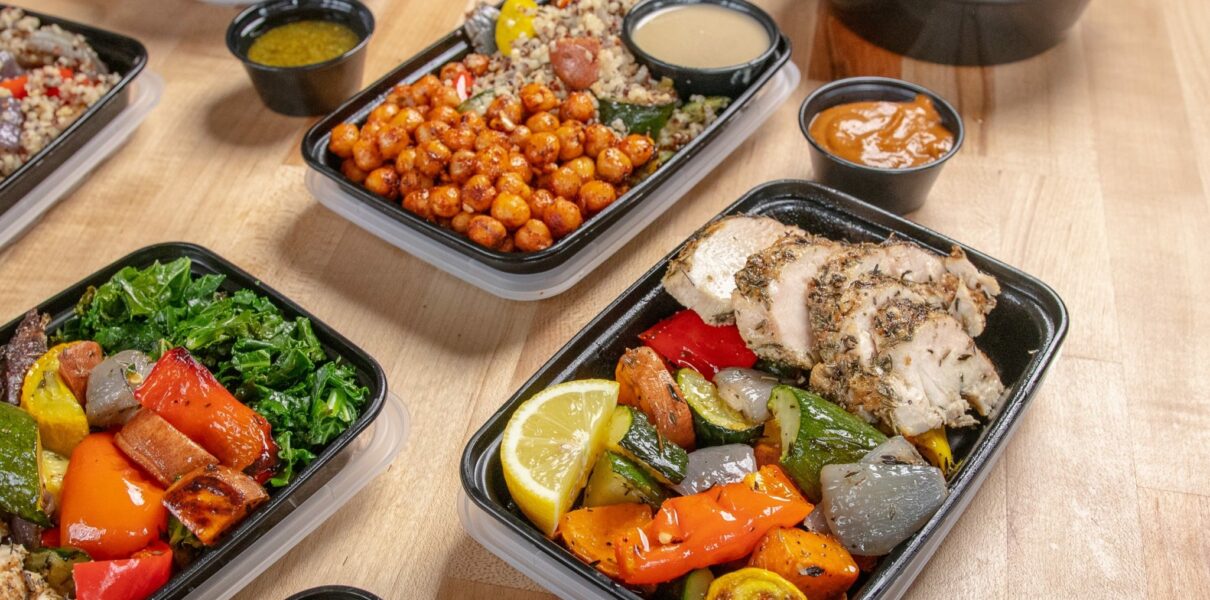
newtownrrt.org – In the hustle and bustle of daily life, finding the time and energy to prepare a delicious, nutritious meal for the family can often feel like a daunting task. However, with a little planning and the right recipes, you can create no-fuss family favorites that are both easy to prepare and a hit with everyone at the dinner table. Here are some ideas to get you started on your journey to stress-free family meals.

  1. One-Pot Wonders
    One-pot meals are a lifesaver when it comes to easy prep and minimal cleanup. Consider dishes like hearty beef stew, chicken and rice, or a vegetable-packed minestrone soup. These meals cook in one pot on the stove or in the oven, which means less mess and more time to spend with your family.
  2. Slow Cooker Savvy
    The slow cooker is your best friend when it comes to no-fuss cooking. Simply throw in your ingredients in the morning, and by dinnertime, you’ll have a hot, flavorful meal ready to go. Try a classic like pot roast with vegetables, or get adventurous with a pulled pork sandwich filling or a creamy tomato tortellini soup.
  3. Sheet Pan Suppers
    Sheet pan dinners are all the rage for good reason. You can cook an entire meal on a single sheet pan, often with little to no additional prep. Think chicken thighs with potatoes and Brussels sprouts, or salmon with asparagus and cherry tomatoes. Season everything with your favorite herbs and spices, pop it in the oven, and dinner is practically done.
  4. Quick Pasta Perfection
    Pasta is a go-to for many families, and with good reason. It’s quick, versatile, and can be dressed up or down depending on what you have on hand. A simple garlic and oil pasta with a side salad can be just as satisfying as a more elaborate Bolognese sauce simmered with ground meat and vegetables.
  5. Make-Ahead Marvels
    Preparing meals in advance can save you time and stress during the week. Casseroles, lasagnas, and meatloaf are all great candidates for make-ahead meals. Prepare them over the weekend, and you’ll have a home-cooked meal ready to be reheated on a busy weeknight.
  6. Breakfast for Dinner
    Sometimes, the simplest ideas are the best. Breakfast for dinner is a fun and easy way to mix up your meal routine. Pancakes, waffles, and omelets are all quick to make and can be customized with a variety of toppings and fillings to suit everyone’s tastes.
  7. Sandwich and Salad Bar
    For a casual and customizable meal, set up a sandwich and salad bar. Offer a variety of breads, meats, cheeses, and veggies, and let each family member build their own. This not only simplifies the cooking process but also encourages everyone to participate in the meal preparation.
  8. Taco Tuesdays (or Any Day)
    Tacos are a family-friendly favorite that can be adapted to suit any taste. Set out a selection of fillings like seasoned ground beef, shredded chicken, or beans, and toppings like cheese, lettuce, tomatoes, and salsa. Everyone can assemble their own tacos, making it a fun and interactive meal.
  9. Pizza Night
    Who doesn’t love pizza? Instead of ordering out, make your own at home. You can use pre-made dough to save time, and set out a variety of toppings. This is another great way to get the whole family involved in the cooking process.
  10. Stir-Fry Sensations
    Stir-fries are a fantastic way to use up leftovers and get a healthy dose of vegetables into your meal. Simply chop up whatever protein and veggies you have on hand, and stir-fry them with your favorite sauce. Serve over rice or noodles for a quick and satisfying dinner.

In conclusion, no-fuss family favorites don’t have to be boring or time-consuming. With a little creativity and some simple recipes, you can enjoy delicious, home-cooked meals without the stress. Remember, the key to easy prep is to keep things simple, use what you have on hand, and involve the whole family in the process. Bon appétit!

A Bite-Sized Look at the Business of Snacking: The Snack Industry

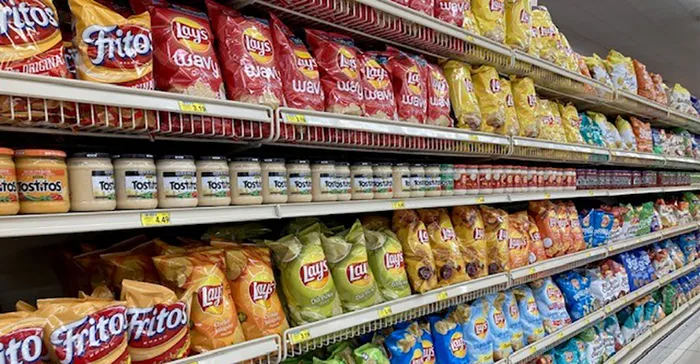
In the fast-paced world of today, snacking has become more than just a way to curb hunger between meals; it’s a lifestyle. The snack industry, a multi-billion-dollar market, has seen exponential growth as consumers demand convenience, variety, and health-conscious options. This article takes a bite-sized look at the business of snacking, exploring its trends, challenges, and the innovative strategies that keep it growing.

The Rise of Snacking:
The snack industry has seen a significant rise in the past few decades, with the global snack market expected to reach a staggering value by the end of the decade. This growth can be attributed to several factors, including changing consumer lifestyles, the rise of on-the-go eating, and the increasing demand for healthier snack options.

Health and Convenience:
One of the most prominent trends in the snack industry is the consumer shift towards healthier options. People are becoming more health-conscious, looking for snacks that are not only delicious but also nutritious. This has led to an increase in demand for snacks that are low in sugar, high in protein, and made with natural ingredients.

Convenience is another key driver in the snack industry. With busy schedules and hectic lifestyles, consumers are looking for snacks that are easy to grab and eat on the go. This has spurred the growth of the snack bar market, as well as the popularity of single-serve snack packs.

Innovation and Diversity:
Innovation is at the heart of the snack industry, with companies constantly experimenting with new flavors, formats, and technologies to meet consumer demands. From plant-based snacks to artisanal chips, the industry is seeing a surge in diversity and creativity.

Sustainability:
Sustainability is also becoming a critical factor in the snack industry. Consumers are increasingly concerned about the environmental impact of their food choices, leading to a demand for eco-friendly packaging and sustainable sourcing. Companies are responding by adopting greener practices and highlighting their commitment to sustainability in their marketing efforts.

Challenges and Opportunities:
The snack industry faces several challenges, including regulatory hurdles, competition, and changing consumer preferences. However, these challenges also present opportunities for growth and innovation. Companies that can adapt to the changing landscape, such as by embracing digital marketing and e-commerce, are likely to thrive.

Conclusion:
The snack industry is a dynamic and ever-evolving market that reflects the changing tastes and lifestyles of consumers around the world. With a focus on health, convenience, innovation, and sustainability, the business of snacking continues to grow and adapt. As consumers continue to demand more from their snacks, the industry is poised for exciting developments that will keep it at the forefront of the food industry. Whether it’s a savory chip or a sweet treat, the snack industry is ready to satisfy every craving, one bite at a time.

A Sip of the Sky-High Priced Delicacy: Bird’s Nest Soup

In the realm of culinary delights, few dishes evoke a sense of mystique and luxury quite like bird’s nest soup. This ancient Chinese delicacy, steeped in history and tradition, is renowned not only for its exquisite taste but also for its sky-high price tag. The soup is made from the nests of swiftlets, small birds that belong to the Apodidae family, which are meticulously constructed from the birds’ saliva. These nests, which can take the swiftlets up to 30 days to build, are harvested, cleaned, and then boiled with water and rock sugar to create a gelatinous, translucent broth that is believed to offer a myriad of health benefits.

The allure of bird’s nest soup lies not only in its unique ingredients but also in its historical significance. It has been a part of Chinese cuisine for centuries, with records dating back to the Ming Dynasty (1368-1644). The soup was once reserved for the emperor and his court, a symbol of wealth and status. Today, it remains a luxury item, often served at special occasions such as weddings and banquets, and is considered a gift of great esteem.

The process of harvesting the nests is both fascinating and controversial. Swiftlets build their nests in remote caves and on cliff faces, making the harvesting process dangerous and labor-intensive. In recent years, man-made swiftlet houses have been constructed to encourage the birds to nest in more accessible locations. However, the ethical implications of harvesting the nests, which are essentially the birds’ homes, have sparked debate among conservationists and animal rights activists.

Despite the controversy, the demand for bird’s nest soup continues to soar, driven by its purported health benefits. Traditional Chinese medicine attributes various healing properties to the soup, including improved skin complexion, enhanced vitality, and even anti-aging effects. Modern research has begun to explore these claims, with some studies suggesting that the soup may indeed have certain health benefits, such as boosting the immune system and aiding in tissue repair.

The high cost of bird’s nest soup can be attributed to several factors, including the rarity of the nests, the laborious harvesting process, and the meticulous cleaning required to remove impurities such as feathers and other foreign matter. Prices can vary widely depending on the quality of the nests, with the highest grades fetching thousands of dollars per kilogram.

Despite its hefty price tag, bird’s nest soup remains a coveted dish among those who can afford it. Its delicate flavor and the health benefits it is believed to offer make it a unique indulgence. For many, a sip of bird’s nest soup is not just a culinary experience but a taste of tradition and luxury that has been cherished for generations.

In conclusion, bird’s nest soup stands as a testament to the lengths to which humans will go to indulge in the finer things in life. It is a delicacy that transcends the ordinary, offering a blend of history, tradition, and potential health benefits that few other foods can match. While its high cost and ethical considerations may give some pause, for those who partake, it is a sip of the sky-high priced delicacy that promises a taste of the extraordinary.