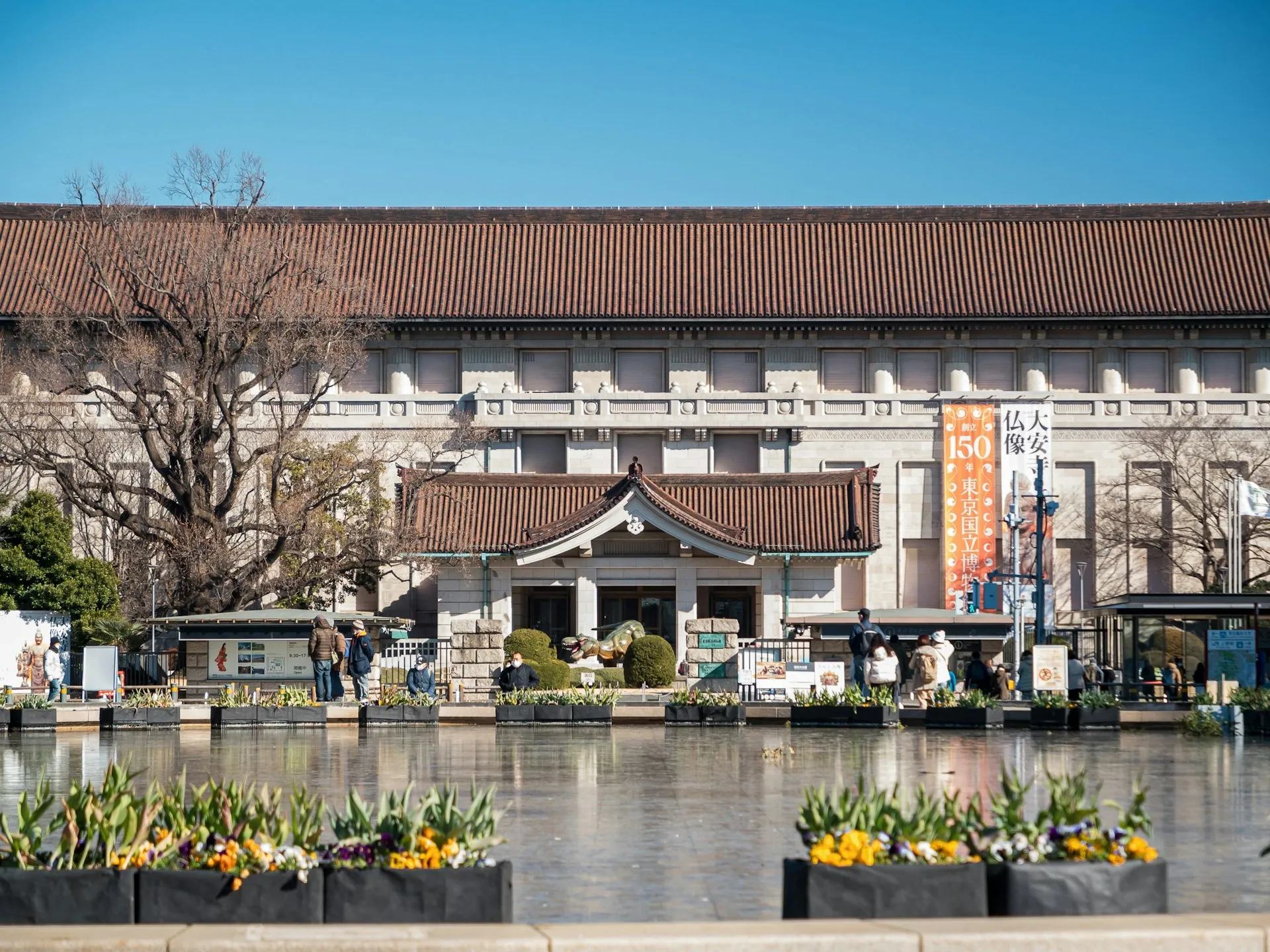
Tokyo National Museum: A Gateway to Japan’s Cultural Heritage

newtownrrt.org – The Tokyo National Museum, located in Ueno Park, Tokyo, is Japan’s oldest and largest museum. Established in 1872, it serves as a premier institution for the collection, preservation, and exhibition of Japanese art and antiquities. With a mission to foster understanding and appreciation of Japan’s rich cultural heritage, the museum is a must-visit for anyone interested in the country’s history and artistry.

A Historical Overview

The Tokyo National Museum was founded to celebrate Japan’s cultural achievements and to showcase its artistic legacy to the world. Over the years, the museum has expanded its collections and facilities, becoming a leading center for cultural preservation and education. It has played a vital role in documenting and exhibiting the evolution of Japanese art and culture.

Architectural and Curatorial Splendor

The museum complex comprises several buildings, each dedicated to different aspects of Japanese and Asian art. The main building, known as the Honkan, features traditional Japanese architecture and houses the museum’s core collection. The Heiseikan and Toyokan galleries display archaeological artifacts and Asian art, respectively, while the Hyokeikan and Horyuji Treasures Gallery offer unique insights into specific historical periods and artistic influences.

Rich and Diverse Collections

The Tokyo National Museum boasts an extensive collection of over 110,000 objects, including National Treasures and Important Cultural Properties. The museum’s holdings encompass a wide range of artifacts such as samurai armor, calligraphy, ceramics, textiles, and religious sculptures. Special exhibitions often highlight particular themes or periods, providing deeper understanding of Japan’s artistic and cultural development.

Education and Research

Beyond its exhibits, the Tokyo National Museum is a hub for research and education. It offers a variety of educational programs, lectures, and workshops designed to engage visitors of all ages and backgrounds. The museum’s research activities contribute significantly to the study and conservation of cultural properties, promoting international collaboration and scholarly exchange.

The Tokyo National Museum Today

Today, the Tokyo National Museum continues to thrive as a cultural and educational landmark. It attracts millions of visitors annually, who come to explore its rich collections and participate in its vibrant programs. The museum also engages with global audiences through digital initiatives and traveling exhibitions, extending its reach beyond Japan.

Conclusion

The Tokyo National Museum stands as a beacon of cultural preservation and education, offering a profound exploration of Japan’s artistic and historical legacy. Whether you are a scholar, a student, or simply an enthusiast of Japanese culture, the museum provides an enlightening and inspiring experience that bridges the past and the present.

Japan: A Leader in Technology and Manufacturing

newtownrrt.org – Japan has long been recognized as a global leader in technology and manufacturing. Over the past few decades, the country has consistently demonstrated its prowess in innovation, automation, and high-tech manufacturing. This article explores how Japan has maintained its position as a technological powerhouse and its significant contributions to the global manufacturing landscape.

Historical Context

Japan’s journey to becoming a manufacturing giant began in the post-World War II era. The country’s rapid industrialization and economic growth, often referred to as the “Japanese Economic Miracle,” laid the foundation for its future technological advancements. Key policies such as the “倾斜生产方式” (Tilting Production System) and the promotion of heavy and chemical industries in the 1950s and 1960s were instrumental in this transformation.

Technological Innovation

Japan’s commitment to technological innovation is evident in its numerous contributions to global technology. The country is credited with inventing groundbreaking technologies such as bullet trains, QR codes, and android robots. Additionally, Japan has been a leader in semiconductor manufacturing, once producing over half of the world’s supply of semiconductors. Although its market share has declined, Japan continues to invest heavily in this sector, as evidenced by its recent efforts to attract Taiwan Semiconductor Manufacturing Company to build a plant in Japan.

Manufacturing Excellence

Japan’s manufacturing sector is renowned for its precision and quality. The country’s focus on advanced manufacturing technologies, including robotics, high-end CNC machines, smart sensors, and industrial automation, has been a cornerstone of its manufacturing success. These technologies have enabled Japanese manufacturers to maintain high levels of productivity and competitiveness, even in the face of global challenges.

Global Competitiveness

Japan’s manufacturing sector remains highly competitive on a global scale. The country’s emphasis on innovation, quality, and efficiency has allowed it to maintain a strong presence in the global market. According to the United Nations Industrial Development Organization (UNIDO), Japan consistently ranks among the top countries in industrial competitiveness, particularly in the upstream segments of the global supply chain, such as materials and components.

Challenges and Adaptations

Despite its successes, Japan has faced challenges, including the decline of its traditional consumer electronics industry and the rise of competitors like China. However, the country has adapted by focusing on high-value-added products and advanced technologies. For instance, Japan has shifted its focus from consumer electronics to specialized components and high-tech manufacturing.

Conclusion

Japan’s leadership in technology and manufacturing is a result of its long-term commitment to innovation, quality, and efficiency. From its post-war industrialization to its current status as a global technology leader, Japan continues to set benchmarks in various sectors. As the world evolves, Japan’s ability to adapt and innovate will be crucial in maintaining its position as a leader in technology and manufacturing.