
The Overture (2004): A Symphony of Music and Heritage

newtownrrt.org – “The Overture” is a 2004 Thai film directed by Itthisoontorn Vichailak, known for its compelling narrative and rich cultural portrayal. The film is a dramatized biography of Luang Pradit Phairoh (Sorn Silapabanleng), a renowned Thai classical musician. This movie beautifully intertwines the themes of tradition, passion, and resilience, offering a profound glimpse into Thailand’s musical heritage.

Plot: The Life and Legacy of a Musical Prodigy

The film chronicles the life of Sorn, a gifted musician who becomes a master of the ranad-ek, a traditional Thai xylophone. Beginning in the late 19th century during King Chulalongkorn’s reign, the story follows Sorn from his childhood in rural Siam to his rise as a prominent musician. The narrative is structured through flashbacks, showing Sorn’s struggles and triumphs against the backdrop of Thailand’s changing political landscape. His journey is marked by personal and professional challenges, including rivalries and the impact of Western influence on Thai culture.

Characters: A Cast of Resilient Spirits

Anuchyd Sapanphong stars as the younger Sorn, while Adul Dulyarat portrays him in his elder years. The film features a strong supporting cast that includes Pongpat Wachirabunjong as Lt. Col. Veera, Sorn’s primary rival. The characters are well-developed, each contributing to the film’s exploration of themes like tradition versus modernity and individual ambition versus communal harmony.

Themes: Tradition and Transformation

“The Overture” delves into the tension between preserving cultural heritage and adapting to modern influences. It highlights the role of music as a vehicle for cultural expression and continuity. The film also explores personal themes of perseverance, dedication, and the pursuit of excellence, resonating with audiences beyond its cultural context.

Critical Reception: A Celebrated Masterpiece

Upon its release, “The Overture” was acclaimed for its storytelling, direction, and musical score. It received numerous awards, including accolades at the Thailand National Film Association Awards. The film was also Thailand’s official selection for the Best Foreign Language Film at the 77th Academy Awards, underscoring its international appeal and cultural significance.

Conclusion: A Harmonious Tribute

In conclusion, “The Overture” is not just a film about music; it is a celebration of Thai culture and identity. Through its rich narrative and evocative music, the film offers a timeless story of passion, resilience, and the enduring power of art to transcend boundaries.
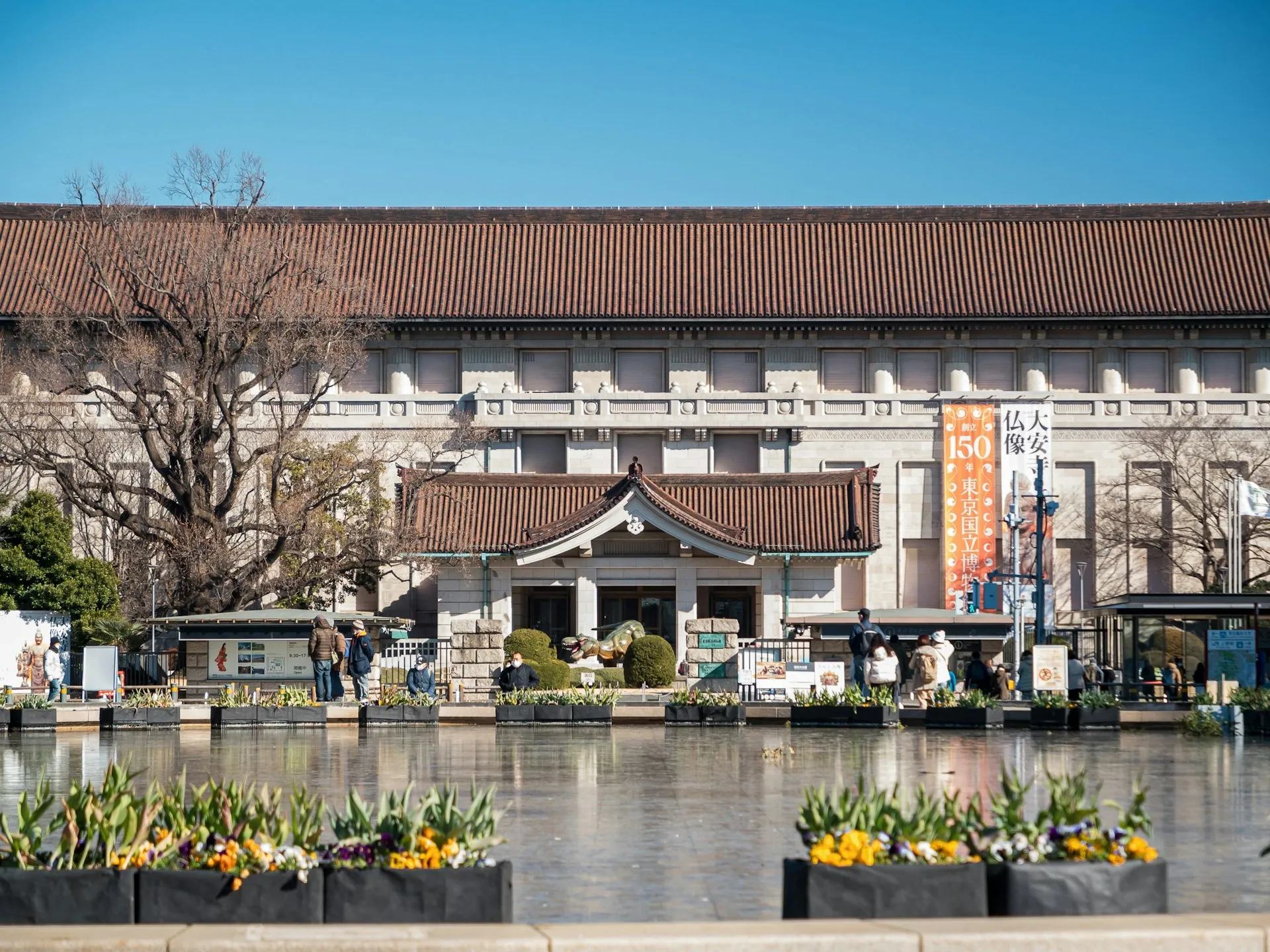
Tokyo National Museum: A Gateway to Japan’s Cultural Heritage

newtownrrt.org – The Tokyo National Museum, located in Ueno Park, Tokyo, is Japan’s oldest and largest museum. Established in 1872, it serves as a premier institution for the collection, preservation, and exhibition of Japanese art and antiquities. With a mission to foster understanding and appreciation of Japan’s rich cultural heritage, the museum is a must-visit for anyone interested in the country’s history and artistry.

A Historical Overview

The Tokyo National Museum was founded to celebrate Japan’s cultural achievements and to showcase its artistic legacy to the world. Over the years, the museum has expanded its collections and facilities, becoming a leading center for cultural preservation and education. It has played a vital role in documenting and exhibiting the evolution of Japanese art and culture.

Architectural and Curatorial Splendor

The museum complex comprises several buildings, each dedicated to different aspects of Japanese and Asian art. The main building, known as the Honkan, features traditional Japanese architecture and houses the museum’s core collection. The Heiseikan and Toyokan galleries display archaeological artifacts and Asian art, respectively, while the Hyokeikan and Horyuji Treasures Gallery offer unique insights into specific historical periods and artistic influences.

Rich and Diverse Collections

The Tokyo National Museum boasts an extensive collection of over 110,000 objects, including National Treasures and Important Cultural Properties. The museum’s holdings encompass a wide range of artifacts such as samurai armor, calligraphy, ceramics, textiles, and religious sculptures. Special exhibitions often highlight particular themes or periods, providing deeper understanding of Japan’s artistic and cultural development.

Education and Research

Beyond its exhibits, the Tokyo National Museum is a hub for research and education. It offers a variety of educational programs, lectures, and workshops designed to engage visitors of all ages and backgrounds. The museum’s research activities contribute significantly to the study and conservation of cultural properties, promoting international collaboration and scholarly exchange.

The Tokyo National Museum Today

Today, the Tokyo National Museum continues to thrive as a cultural and educational landmark. It attracts millions of visitors annually, who come to explore its rich collections and participate in its vibrant programs. The museum also engages with global audiences through digital initiatives and traveling exhibitions, extending its reach beyond Japan.

Conclusion

The Tokyo National Museum stands as a beacon of cultural preservation and education, offering a profound exploration of Japan’s artistic and historical legacy. Whether you are a scholar, a student, or simply an enthusiast of Japanese culture, the museum provides an enlightening and inspiring experience that bridges the past and the present.