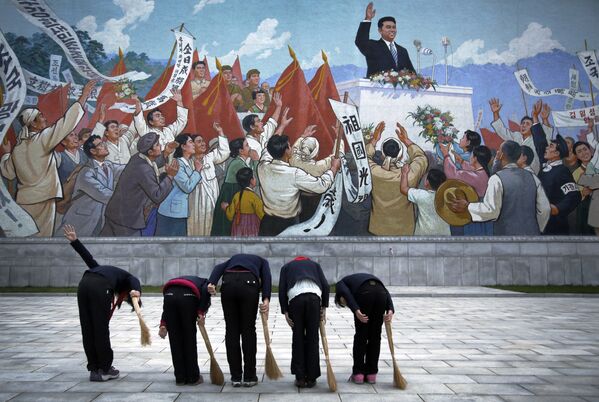
A Closed Society: Life in North Korea

newtownrrt.org – North Korea, officially known as the Democratic People’s Republic of Korea (DPRK), is one of the most isolated and secretive countries in the world. Its society is characterized by strict control, limited access to information, and a pervasive atmosphere of surveillance and repression. This article explores the unique and often challenging aspects of life in North Korea, a country that has chosen to close itself off from much of the global community.

Isolation and Control

North Korea’s isolation is not just a matter of geography but also a deliberate policy of the government. The country’s borders are heavily fortified, and the regime has implemented strict measures to prevent unauthorized entry or exit. The government maintains a shoot-on-sight policy for anyone attempting to cross the border illegally, which has deterred many from attempting to flee the country.

The regime also controls all forms of communication and media. Access to the internet is strictly limited, and the few North Koreans who have access are monitored closely. Similarly, all television and radio broadcasts are state-controlled, ensuring that the population receives only the information that the government deems appropriate.

Daily Life and Repression

Despite the isolation, North Koreans lead their daily lives under the constant watch of the government. The regime uses a system of surveillance and informants to monitor the population, ensuring that any dissent or unauthorized activities are quickly detected and punished. The government also enforces a strict ideology, promoting loyalty to the Kim dynasty and the state.

The economic situation in North Korea is dire, with the government prioritizing military spending over the welfare of its citizens. This has led to widespread food shortages and malnutrition, exacerbated by natural disasters and the Covid-19 pandemic, which further isolated the country.

Human Rights and the Future

The human rights situation in North Korea is among the worst in the world. The government routinely uses torture, forced labor, and public executions to maintain control. The regime also operates a network of political prison camps where dissidents and their families are sent to face harsh conditions.

The international community has expressed concern over these practices, but North Korea has shown little willingness to change its policies. The country remains one of the most isolated nations, with limited diplomatic relations and a continued focus on self-reliance and military strength.

Conclusion

Life in North Korea is marked by isolation, repression, and a lack of freedom. The government’s control over every aspect of society, from communication to economic activities, ensures that the population remains largely unaware of the outside world and unable to challenge the status quo. As the country continues to isolate itself, the challenges faced by its citizens are likely to persist, leaving the future of human rights and freedom in North Korea uncertain.
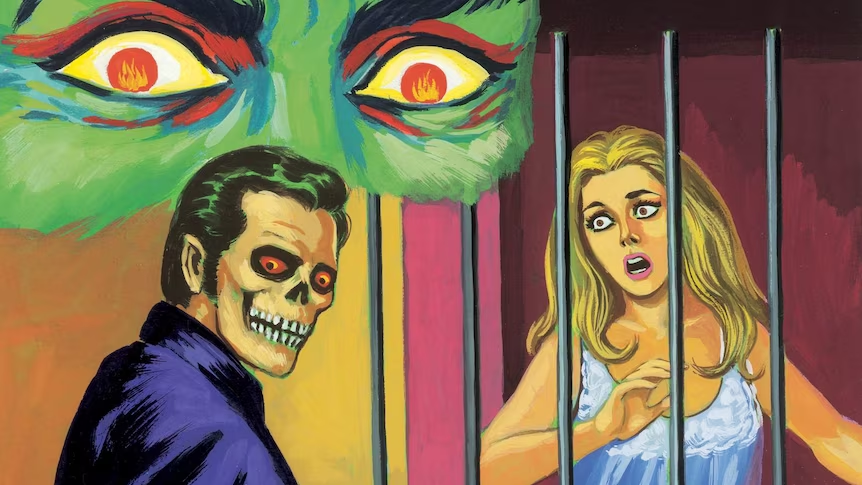
Monsters as Metaphors: Creatures Reveal About Society

Throughout history, monsters have been a staple in folklore, literature, and popular culture, serving as more than just creatures that go bump in the night. These beings, often born from the depths of human imagination, carry with them a wealth of meaning and serve as powerful metaphors for the fears, anxieties, and societal issues of their time. By examining the nature of these monsters, we can uncover the reflections of society’s values, concerns, and the collective unconscious.

The Fear of the Other

One of the most prevalent themes in monster metaphors is the fear of the “other.” Monsters often represent what is different, foreign, or unknown to a society. For example, during times of war or conflict, the enemy is often dehumanized and portrayed as monstrous. In literature, characters like Dracula or Frankenstein’s monster embody the fear of foreign invasion or the dangers of scientific progress, respectively. These creatures are not just literal monsters but symbols of the societal fear of change and the unknown.

Reflections of Societal Anxieties

Monsters can also be seen as reflections of the specific anxieties of a society at a given time. For instance, during the Cold War, the rise of atomic monsters in films like “Godzilla” (1954) mirrored the fears of nuclear warfare and the potential for catastrophic destruction. Similarly, the zombie apocalypse genre, which gained popularity in the late 20th and early 21st centuries, can be interpreted as a metaphor for the loss of individuality and the mindless consumerism that characterizes modern society.

Moral and Ethical Questions

Monsters also pose moral and ethical questions, challenging us to consider what it means to be human. The story of Frankenstein, for example, raises questions about the ethics of playing God and the responsibility of creators towards their creations. This narrative can be seen as a commentary on the potential consequences of scientific advancements and the importance of considering the ethical implications of our actions.

The Shadow Self

In psychological terms, monsters can represent the “shadow” aspect of our psyche, as described by Carl Jung. This shadow includes the parts of ourselves that we reject or deny, often because they are considered unacceptable or evil. By projecting these qualities onto monsters, we externalize our inner conflicts, making it easier to confront and understand them. This process can be seen in stories where the monster is a reflection of the protagonist’s own fears, desires, or hidden aspects of their personality.

Conclusion

Monsters, in all their forms, are not just creatures to be feared or defeated. They are mirrors that reflect the complexities of human society and the depths of the human psyche. Through these metaphors, we can explore our fears, confront our anxieties, and question our values. As society evolves, so too will the monsters that haunt our collective imagination, continuing to serve as powerful symbols of the issues that we grapple with as a civilization. Understanding these metaphors can provide valuable insights into the human condition and the ever-changing landscape of societal norms and fears.