
The Debt: A Tale of Redemption – A Dark & Gripping Thriller

newtownrrt.org – John Madden’s 2010 psychological thriller, “The Debt,” is a gripping exploration of guilt, redemption, and the enduring legacy of the Holocaust. The film follows a team of Mossad agents who, decades after a botched mission to capture a Nazi war criminal, are haunted by their past failures.

A Haunting Past

The film opens with a flashback to 1965, where three young Mossad agents, Rachel Singer (Jessica Chastain), Stefan Gold (Marton Csokas), and David Peretz (Sam Worthington), are tasked with capturing the elusive Nazi war criminal, Dieter Vogel (Jesper Christensen). However, the mission goes awry, leaving the team questioning their actions and the consequences of their choices.

A Confrontation with the Past

In the present day, an elderly Rachel, now played by Helen Mirren, is haunted by the past. She is forced to confront her demons when Vogel resurfaces, threatening to expose the truth about the botched mission. As Rachel, Stefan (Ciarán Hinds), and David (Tom Wilkinson) reunite, they must decide whether to rectify their past mistakes or let the secrets of the past remain buried.

A Psychological Thriller

“The Debt” is a tense and suspenseful thriller that delves into the psychological impact of trauma and the complexities of morality. The film’s exploration of guilt, redemption, and the consequences of inaction is both thought-provoking and emotionally charged.

A Masterful Performance

Helen Mirren delivers a powerful and nuanced performance as the aging Rachel, capturing the character’s inner turmoil and unwavering determination. The film’s ensemble cast, including Ciarán Hinds, Tom Wilkinson, and Jesper Christensen, also deliver strong performances, elevating the film to new heights.

A Timeless Tale

“The Debt” is a timeless tale that speaks to the enduring legacy of the Holocaust and the importance of confronting the past. It is a film that will stay with you long after the credits roll.

Key Themes Explored in the Film:

  • The Weight of the Past: The film explores the psychological impact of past traumas and the difficulty of letting go.
  • The Nature of Redemption: The film raises questions about the possibility of redemption and the price of atonement.
  • The Consequences of Inaction: The film highlights the dangers of inaction and the importance of confronting evil.
  • The Power of Memory: The film emphasizes the power of memory and the importance of preserving the past.

Conclusion

“The Debt” is a haunting and thought-provoking film that will stay with you long after the credits roll. Its powerful performances, gripping story, and exploration of complex themes make it a must-watch for fans of psychological thrillers.

The Magician’s Elephant: A Tale of Hope, and Magic

newtownrrt.org – “The Magician’s Elephant” by Kate DiCamillo is a beautifully crafted novel that weaves a tapestry of magic, hope, and the power of belief. Set in the atmospheric city of Baltese, this enchanting story invites readers into a world where the impossible becomes possible, and where a single act of magic can change everything.

A Mysterious Beginning

The story begins with Peter Augustus Duchene, a young orphan, who seeks answers about his past. During a visit to a fortuneteller, he is given an astonishing prophecy: his sister, who he thought was dead, is alive, and an elephant will lead him to her. This revelation sets Peter on a quest filled with wonder and uncertainty.

The Arrival of the Elephant

The heart of the story unfolds with an unexpected magical event. At a local theater performance, a magician attempts a simple trick but instead conjures an elephant that crashes through the roof and into the life of the city. This miraculous occurrence not only disrupts the magician’s act but also sets off a chain of events that will bring Peter closer to discovering the truth about his sister.

Themes of Connection and Belief

DiCamillo masterfully explores themes of connection, belief, and the extraordinary power of hope. As Peter’s journey unfolds, he encounters a cast of characters whose lives are intertwined with the elephant’s mysterious appearance. Each character is touched by the magic in different ways, illustrating how belief can bridge gaps and foster unexpected bonds.

Conclusion

“The Magician’s Elephant” is a tale that captivates readers with its lyrical prose and profound exploration of destiny and faith. Kate DiCamillo’s storytelling invites readers to ponder the magic in their own lives and to believe in the impossible. This evocative novel is a testament to the transformative power of hope and the enduring journey to find one’s place in the world.

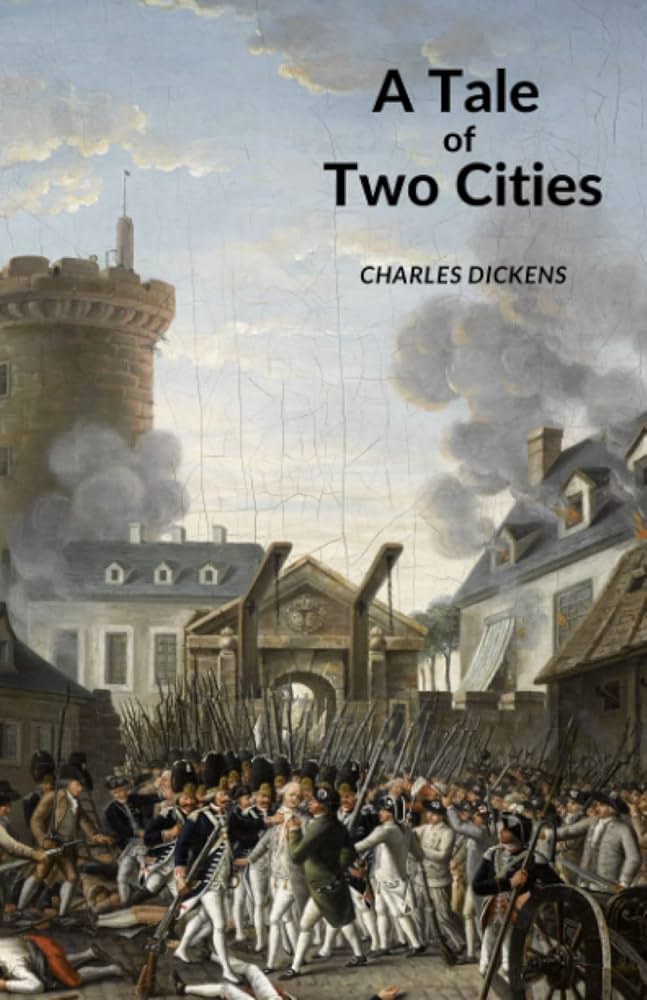
The Tale of Two Cities: Sacrifice and Redemption

Charles Dickens’ “The Tale of Two Cities” is a seminal work of historical fiction that captures the essence of the French Revolution, exploring themes of sacrifice, redemption, and the indomitable human spirit. First published in 1859, the novel remains a powerful commentary on the social and political upheavals of the time, set against the backdrop of two cities: London and Paris. Through its intricate plot and richly drawn characters, Dickens weaves a tale that resonates with readers across generations, offering insights into the nature of love, justice, and the quest for a better world.

The Setting and the Storm:

The novel opens with one of the most famous openings in English literature: “It was the best of times, it was the worst of times…” This paradox sets the tone for a story that unfolds during a period of immense turmoil and change. Paris, the epicenter of the French Revolution, is a city of contrasts, where the opulence of the aristocracy stands in stark contrast to the abject poverty of the masses. London, on the other hand, serves as a haven for French émigrés and a place where the seeds of revolution are viewed with a mix of fascination and horror.

The Characters:

At the heart of the novel are three central characters: Charles Darnay, a French aristocrat who renounces his family’s wealth and title; Sydney Carton, a disillusioned English lawyer with a penchant for self-destruction; and Lucie Manette, a young woman whose life is marked by tragedy, resilience, and love. Their intertwined fates are a testament to the complexities of human nature and the transformative power of compassion and sacrifice.

Themes and Motifs:

“The Tale of Two Cities” is rich with themes that continue to resonate today. The novel explores the idea of resurrection, not only in a literal sense but also as a metaphor for personal and societal renewal. It delves into the concept of revolution and the fine line between justice and vengeance, questioning the cost of freedom and the nature of true redemption.

The Role of Sacrifice:

Perhaps the most poignant theme in the novel is the role of sacrifice. Dickens examines how individuals are willing to give up their own happiness, and even their lives, for the sake of others. This theme culminates in a climactic act of selflessness that underscores the novel’s message about the power of love to transcend the darkest of times.

Legacy and Impact:

“The Tale of Two Cities” has left an indelible mark on literature and popular culture. Its exploration of the human condition and the moral dilemmas faced by its characters continue to provoke thought and discussion. The novel’s enduring popularity is a testament to Dickens’ skill as a storyteller and his ability to create a narrative that is both deeply moving and thought-provoking.

Conclusion:

“The Tale of Two Cities” is more than just a historical novel; it is a timeless exploration of the human spirit’s capacity for change and redemption. Through its vivid portrayal of a tumultuous era, Dickens invites readers to reflect on the forces that shape our lives and the choices that define our character. As we continue to navigate our own best and worst of times, the lessons of “The Tale of Two Cities” remain as relevant as ever, reminding us of the enduring power of love, sacrifice, and the quest for a more just and compassionate world.