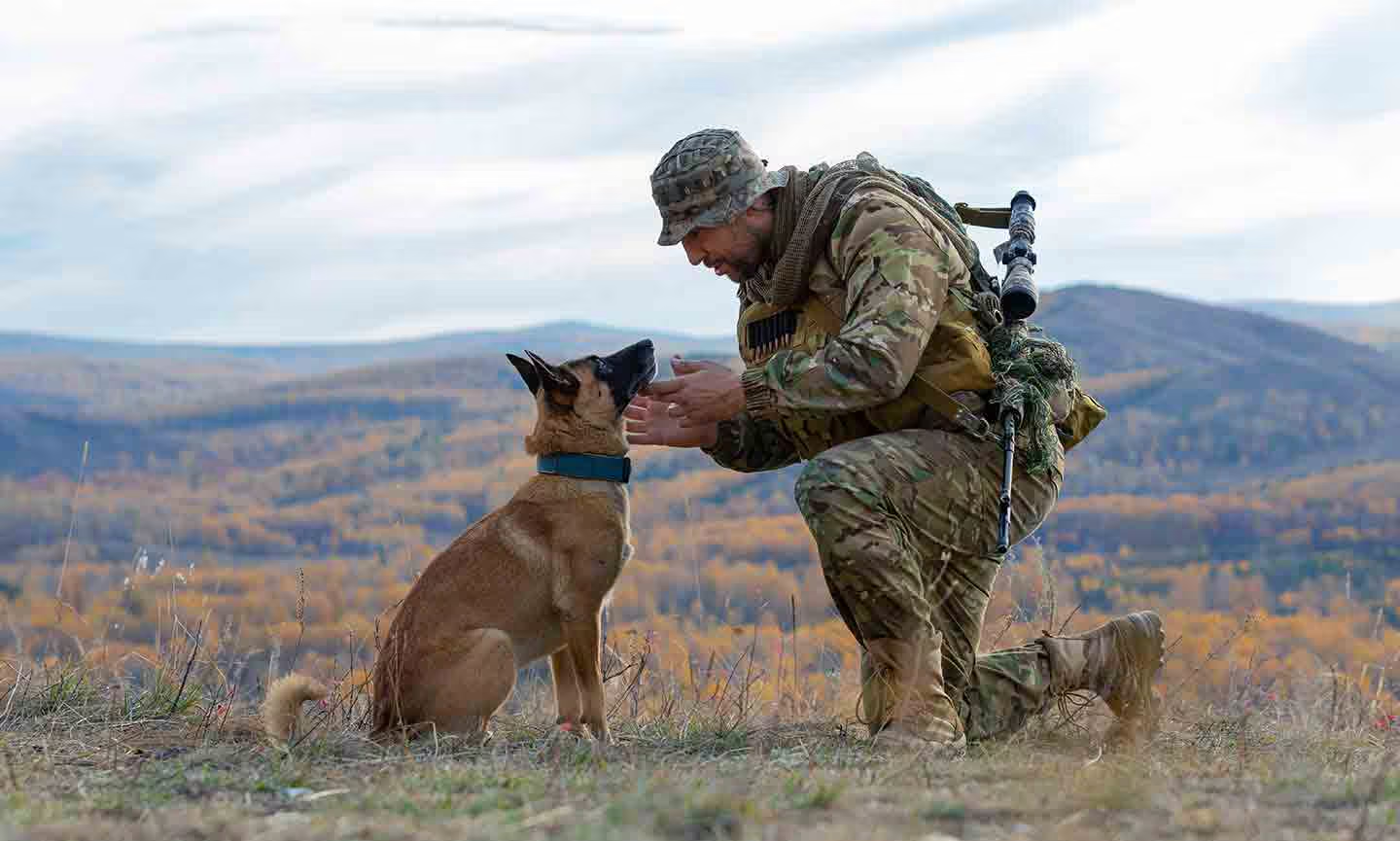
From the depths of the battlefield to the quiet corners of our homes, dogs have played an indispensable role in human society, often demonstrating a level of service and sacrifice that few other species can match. These four-legged heroes have been by our side for thousands of years, evolving from wild wolves into our most loyal companions. Their roles have been as diverse as they are crucial, ranging from protectors and helpers to comforters and friends. This article delves into the heroic roles of dogs, highlighting their contributions to society and the sacrifices they make for the sake of humans.
The History of Service Dogs
The relationship between dogs and humans is ancient, with evidence suggesting that dogs have been domesticated for at least 15,000 years. Early on, dogs were used for hunting, herding, and protection. As societies evolved, so did the roles of dogs. During the World Wars, dogs served as messengers, sentries, and even mine detectors, saving countless lives with their bravery and keen senses.
Guide Dogs for the Blind
One of the most recognized roles of service dogs is as guide dogs for the blind and visually impaired. These dogs are meticulously trained to navigate their human partners safely through various environments. They learn to understand and respond to a set of commands, guiding their owners around obstacles, stopping at curbs, and even locating and retrieving items. The bond between a guide dog and its owner is profound, built on trust, understanding, and an unwavering commitment to each other’s well-being.
Assistance Dogs for People with Disabilities
Beyond guide dogs, assistance dogs provide support to individuals with a wide range of disabilities. These dogs can be trained to perform tasks specific to their owner’s needs, such as fetching items, providing stability for walking, or even alerting others in case of an emergency. Their presence not only enhances the independence and mobility of their owners but also offers emotional support and companionship.
Therapy Dogs
Therapy dogs work in a variety of settings, including hospitals, schools, nursing homes, and disaster areas, to provide comfort and support to people in need. They are not task-trained like service dogs but are selected for their calm and friendly temperament. The therapeutic presence of these dogs can significantly reduce stress, anxiety, and depression in individuals, demonstrating the profound emotional impact dogs can have on human lives.
Search and Rescue Dogs
In times of crisis, search and rescue dogs are among the first responders. Their keen senses of smell and hearing, combined with their agility and endurance, make them invaluable in locating missing persons, whether lost hikers, victims of natural disasters, or people trapped under debris. The work of these dogs is physically demanding and often takes them into dangerous situations, yet their dedication to the task and their handlers is unwavering.
Military and Police Dogs
Military and police dogs have long been an integral part of law enforcement and defense operations. They are trained to detect explosives and drugs, conduct patrols, and apprehend suspects. Their roles are critical in maintaining security and order, often putting themselves in harm’s way to protect their human partners and the public. The bond between a military or police dog and their handler is forged in the heat of duty, a testament to the trust and mutual respect that defines the human-canine partnership.
Conclusion
The heroic roles of dogs are as varied as they are essential. From the battlefield to the living room, these animals have demonstrated an extraordinary capacity for service and sacrifice. Their contributions to society are immeasurable, touching the lives of countless individuals and bringing comfort, assistance, and joy to those in need. As we celebrate the heroic roles of dogs, it is important to remember the responsibilities we have to them—to provide care, respect, and love in return for their unwavering loyalty and service. The bond between humans and dogs is a testament to the power of companionship and the profound impact it can have on our lives.