
Discovering the Temple of Artemis: A Wonder of the Ancient World

newtownrrt.org – The Temple of Artemis, located in the ancient city of Ephesus in present-day Turkey, was one of the Seven Wonders of the Ancient World. Dedicated to the Greek goddess Artemis, this magnificent structure was renowned for its grandeur and architectural brilliance. Although only ruins remain today, the temple’s historical significance and legendary status continue to captivate historians and travelers alike.

Historical Background

The Temple of Artemis was originally constructed in the 6th century BCE, commissioned by the Lydian king Croesus and designed by the architect Chersiphron. It was built on a grand scale, with contributions from various regions and rulers, reflecting the widespread reverence for Artemis. The temple underwent several reconstructions due to destruction by both natural disasters and human actions, including a notable fire set by Herostratus in 356 BCE.

Architectural Grandeur

The Temple of Artemis was celebrated for its architectural splendor and grandeur. It was built with marble and adorned with intricate sculptures and reliefs depicting mythological scenes. The structure featured a massive rectangular platform with more than a hundred towering columns, each standing around 18 meters high. These columns, along with the temple’s vast size and elaborate decorations, made it a marvel of engineering and artistry in the ancient world.

Cultural and Religious Significance

Artemis was a goddess of hunting, wilderness, and fertility, and her temple in Ephesus served as a major religious and cultural center. Pilgrims traveled from far and wide to pay homage to Artemis and seek her blessings. The temple also played a significant role in the local economy, attracting merchants, artisans, and traders who contributed to the prosperity of Ephesus.

The Legacy of the Temple

Despite its eventual destruction, the Temple of Artemis left a lasting legacy as a symbol of ancient Greek civilization’s architectural and cultural achievements. Today, the site of the temple is an archaeological treasure, with remnants that offer insights into its former glory. Visitors to the area can explore the ruins and imagine the awe-inspiring majesty that once stood there.

Conclusion

The Temple of Artemis remains a testament to the ingenuity and devotion of the ancient world. Its legacy continues to inspire awe and wonder, reminding us of the rich history and cultural heritage that shaped human civilization. Whether you’re a history buff or a curious traveler, the story of the Temple of Artemis offers a fascinating glimpse into the past and the enduring allure of ancient wonders.
Exploring Nature’s Temporary Ponds: The Wonder of Puddles

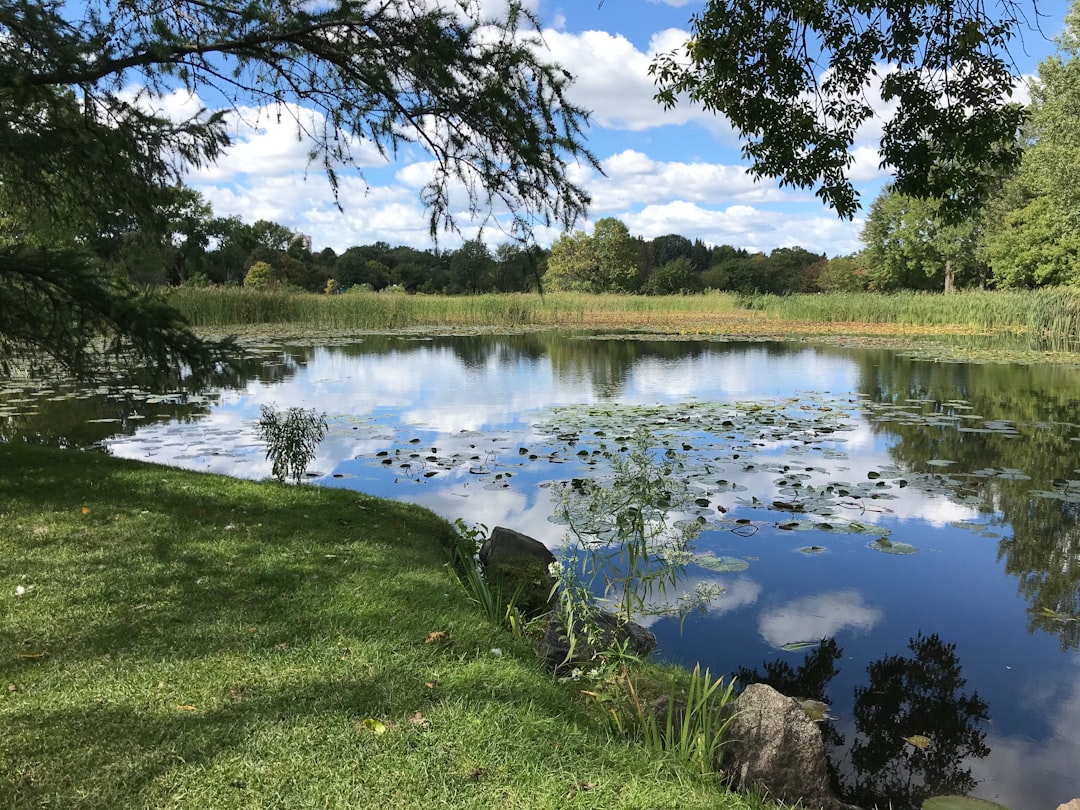
newtownrrt.org – Puddles, those small pools of water that form on the ground after rain, might seem like simple occurrences, but they are fascinating natural phenomena that play a crucial role in our environment. This article delves into the world of puddles, exploring their formation, the ecosystems they support, and their significance in our daily lives.

Understanding Puddle Formation

Puddles are formed when rainwater accumulates in depressions on the Earth’s surface. The process is influenced by several factors, including the intensity and duration of the rainfall, the topography of the land, and the permeability of the soil. When the ground is saturated, and the water table is high, puddles are more likely to form and persist.

The Ecosystem of a Puddle

Despite their small size, puddles are home to a diverse array of life forms. They can support entire ecosystems, including bacteria, algae, protozoa, insects, and sometimes even small aquatic plants. These organisms thrive in the temporary habitat provided by puddles, contributing to biodiversity and playing a role in nutrient cycling.

The Role of Puddles in Nature

Puddles serve several important functions in the natural world. They act as breeding grounds for many species of insects, including mosquitoes and midges. This makes them vital for the food web, as these insects are a food source for birds, amphibians, and other animals. Additionally, puddles help in the dispersal of seeds and spores, aiding in plant reproduction and colonization.

Puddles and Human Life

Beyond their ecological significance, puddles have a profound impact on human life. They are a source of joy and entertainment, especially for children who love to jump and splash in them. Puddles also remind us of the beauty and unpredictability of nature, offering a moment of reflection and connection with the environment.

The Ephemeral Nature of Puddles

One of the most intriguing aspects of puddles is their transient nature. They appear suddenly, often overnight, and can disappear just as quickly, evaporating under the sun or seeping into the ground. This ephemerality teaches us about the impermanence of nature and the importance of appreciating the small, fleeting moments it offers.

Conclusion

Puddles, though seemingly insignificant, are a testament to the complexity and interconnectedness of the natural world. They remind us of the beauty in simplicity and the importance of even the smallest elements of our environment. By understanding and appreciating puddles, we can gain a deeper respect for the Earth and all its wonders. Whether they are supporting a miniature ecosystem or bringing a smile to a child’s face, puddles play a vital role in our world, one drop at a time.

Exploring Its Natural Wonders: Burkina Faso’s National Parks

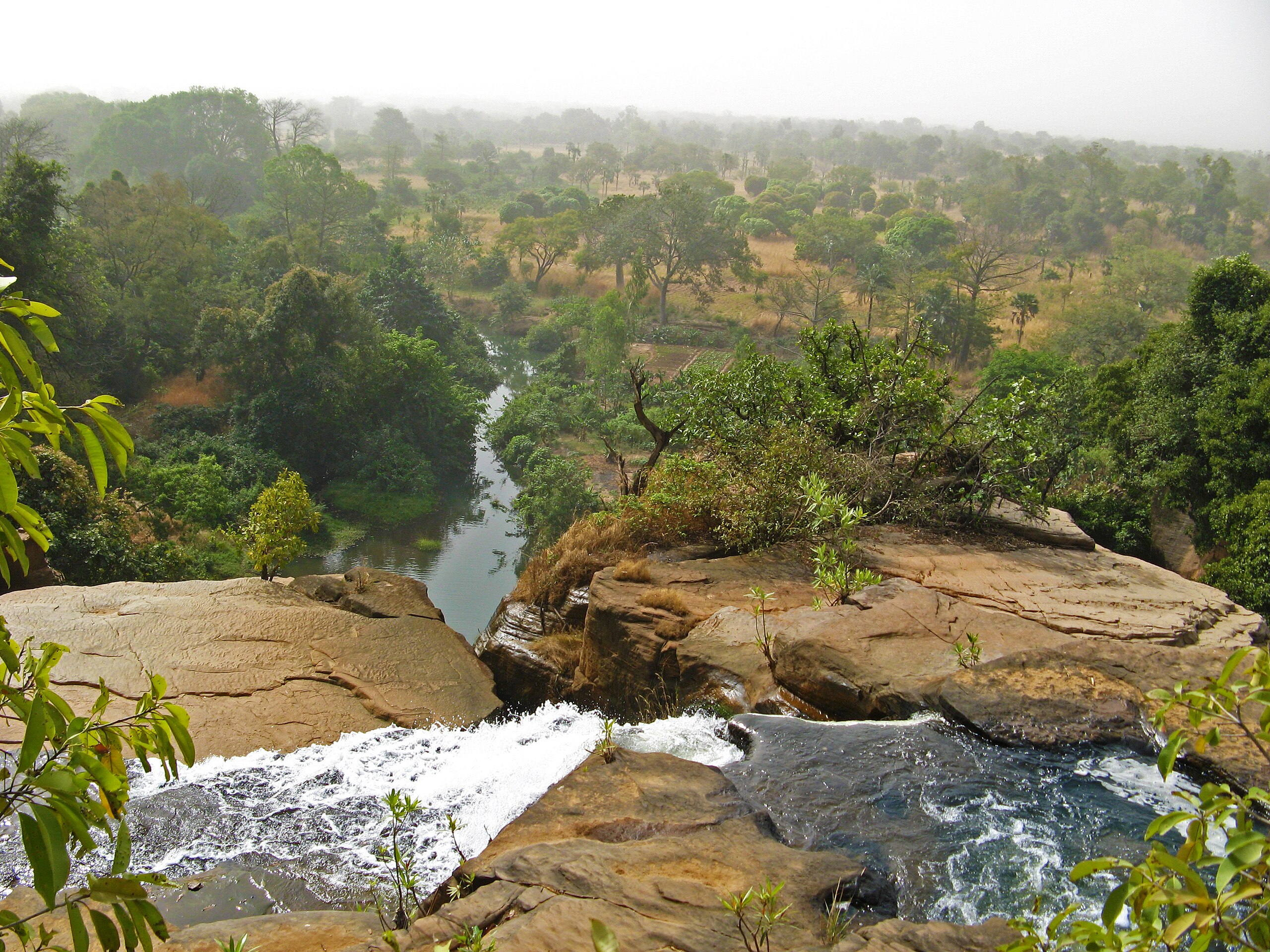
newtownrrt.org – Burkina Faso, a landlocked country in West Africa, is home to a diverse range of natural wonders that are preserved within its national parks. These protected areas are not only vital for conservation but also offer a glimpse into the country’s rich biodiversity and stunning landscapes. This article explores the national parks of Burkina Faso, highlighting their unique features, the wildlife they support, and the efforts to preserve these natural treasures.

The Significance of National Parks in Burkina Faso

National parks play a crucial role in protecting Burkina Faso’s natural heritage. They serve as sanctuaries for wildlife, preserve habitats, and provide ecosystem services that are essential for the well-being of both humans and nature. Additionally, national parks are important for tourism, offering opportunities for ecotourism that can benefit local communities and the national economy.

Key National Parks in Burkina Faso

Burkina Faso boasts several national parks, each with its own distinct characteristics and attractions.

1. Deux Balé National Park

Deux Balé National Park is one of the most important protected areas in Burkina Faso. It is known for its savanna woodlands, wetlands, and diverse wildlife, including elephants, lions, and a variety of bird species. The park is also home to the Bwa people, whose traditional practices help in the conservation of the park’s resources.

2. Arly-Singou National Park

Arly-Singou National Park is a transboundary park that straddles the border between Burkina Faso and Benin. It is renowned for its rich biodiversity, including several endangered species such as the West African lion, African elephant, and the painted hunting dog. The park’s landscape is characterized by savannas, gallery forests, and rivers, providing a habitat for a wide range of flora and fauna.

3. Po National Park

Po National Park is the smallest of Burkina Faso’s national parks but is equally significant for conservation. It is known for its dense woodlands and savannas, which support a variety of wildlife, including antelopes, monkeys, and numerous bird species. The park also plays a crucial role in the preservation of the country’s cultural heritage, with several archaeological sites within its boundaries.

Wildlife and Biodiversity

The national parks of Burkina Faso are home to a diverse array of wildlife, including mammals, birds, reptiles, and amphibians. These parks provide critical habitats for species that are threatened or endangered, such as the West African lion, African elephant, and the cheetah. Additionally, the parks support a rich diversity of plant life, including various types of acacia trees, baobabs, and shea trees.

Conservation Efforts

The preservation of Burkina Faso’s national parks and their biodiversity requires concerted efforts from the government, local communities, and international partners. Conservation initiatives include anti-poaching patrols, habitat restoration projects, and community-based conservation programs that involve local people in park management and benefit from park resources.

Ecotourism and Community Benefits

Ecotourism is an important aspect of national park management in Burkina Faso. It provides opportunities for visitors to experience the natural beauty and wildlife of the parks while contributing to their conservation. Additionally, ecotourism can bring economic benefits to local communities, such as employment opportunities and revenue from park entrance fees.

Conclusion

The national parks of Burkina Faso are a testament to the country’s commitment to conservation and the preservation of its natural heritage. These protected areas not only support a rich diversity of wildlife but also offer valuable ecosystem services and opportunities for ecotourism. As Burkina Faso continues to face challenges such as habitat loss, poaching, and climate change, the protection of its national parks remains crucial for the conservation of its biodiversity and the well-being of its people.

Journey of Wonder and Discovery: World Through a Child’s Eyes

newtownrrt.org – In the whimsical and boundless realm of childhood, the world is not merely observed but experienced with an intensity and curiosity that knows no bounds. Through the eyes of a child, the ordinary transforms into the extraordinary, and the mundane becomes a gateway to endless possibilities. This unique perspective is not just a way of seeing; it’s a way of being, a journey of wonder and discovery that can teach us all about the beauty of life in its purest form.

Imagine, for a moment, looking at the world through a child’s eyes. The sky is not just blue; it’s a canvas painted with the dreams of the day, a backdrop for the adventures of clouds that can resemble anything from fluffy sheep to ferocious dragons. The sun is not just a celestial body; it’s a warm, golden friend that rises to greet you in the morning and sets to tuck you into bed at night.

To a child, the earth is a treasure trove of marvels waiting to be unearthed. A simple walk in the park becomes an expedition into a wild jungle, where trees are giants, and the rustling of leaves is the whisper of ancient secrets. Every pebble on the ground tells a story, every puddle is an ocean, and every bug is a creature of wonder. The world is a vast playground, and every moment is an opportunity to learn, explore, and imagine.

Children see the world with an openness and acceptance that is both refreshing and enlightening. They do not judge; they embrace. They do not fear; they approach with curiosity. A child’s smile can light up the darkest of days, and their laughter is a melody that resonates with the joy of life itself. In their eyes, everyone is a friend yet to be made, and every heart is a story yet to be heard.

The innocence of a child’s perspective is a powerful reminder of the beauty in simplicity. They find joy in the small things – a game of tag, a story before bed, a hug from a loved one. They teach us that happiness is not about having more but about needing less, that the richest experiences in life are often those that cost nothing but our time and attention.

Moreover, children are the ultimate optimists. They approach life with an unwavering belief in the good, a resilience that bounces back from disappointment, and a hope that tomorrow will always be better. Their perspective is a beacon of light in a world that can sometimes seem too complex, too fast, and too cynical.

As adults, we can learn much from the world through a child’s eyes. It invites us to slow down, to look closer, and to wonder more. It challenges us to see beyond the surface, to find the extraordinary in the ordinary, and to approach life with the same sense of curiosity, openness, and joy that children do.

In the end, the world through a child’s eyes is a gift, a lens through which we can rediscover the magic of life. It is a reminder that, no matter our age, the capacity for wonder is within us all. By embracing the child within, we can unlock a world of endless possibilities, where every day is an adventure, and every moment is an opportunity to see the world anew.