
The Serenade of Crickets: Nighttime Musicians of the Insect World

newtownrrt.org – Crickets, with their distinctive chirping sounds, are a familiar part of the nighttime soundscape. These insects, belonging to the order Orthoptera, are more than just nighttime musicians; they play important ecological roles and have fascinating life histories. This article explores the world of crickets, from their anatomy and behavior to their ecological significance and cultural impact.   

Physical Characteristics: Adapted for Sound Production and Jumping

Crickets share some similarities with grasshoppers but have distinct features:

  • Long Antennae: Unlike grasshoppers, crickets have long, slender antennae, often longer than their body.   
  • Modified Forewings (Tegmina): Male crickets produce their characteristic chirps by rubbing their forewings together. These wings are modified with a specialized structure called a “file” and “scraper.”   
  • Powerful Hind Legs: Similar to grasshoppers, crickets have powerful hind legs adapted for jumping.   
  • Cerci: Crickets have two sensory appendages called cerci at the end of their abdomen.   

Life Cycle: Incomplete Metamorphosis

Crickets undergo incomplete metamorphosis, with three life stages:   

  • Egg: Eggs are typically laid in the soil or within plant stems.
  • Nymph: The eggs hatch into nymphs, which resemble smaller versions of the adults but lack fully developed wings. Nymphs molt several times as they grow.   
  • Adult: After several molts, the nymph reaches the adult stage, with fully developed wings and reproductive organs.   

Diversity and Classification: A Variety of Chirpers

Crickets belong to several families within the order Orthoptera, including:

  • Gryllidae (True Crickets): This family includes field crickets, house crickets, and tree crickets.   
  • Gryllotalpidae (Mole Crickets): These crickets have front legs modified for digging and live primarily underground.   

Habitat and Distribution: From Fields to Forests

Crickets are found in a wide range of habitats, including fields, meadows, forests, and even urban areas. They are distributed globally, except for extremely cold regions.  

Sound Production (Stridulation): The Cricket’s Song

The chirping sound of crickets is produced by a process called stridulation:

  • Mechanism: Male crickets rub a specialized ridge (the “file”) on one forewing against a scraper on the other forewing. This creates vibrations that produce sound.   
  • Purpose: Crickets chirp to attract mates and establish territories. Different species have distinct songs.   
  • Temperature Dependence: The rate of chirping is influenced by temperature. The warmer the temperature, the faster the chirping rate. This relationship is sometimes used to estimate the temperature.   

Feeding and Diet: Omnivorous Scavengers

Crickets are generally omnivorous, feeding on a variety of plant matter, insects, and decaying organic matter.   

Behavior and Communication: Nighttime Activity and Social Interactions

Crickets are primarily nocturnal, being most active at night. They exhibit various behaviors:   

  • Territoriality: Male crickets defend territories and use their chirps to warn off rivals.   
  • Courtship: Male chirps also play a crucial role in attracting females for mating.   
  • Aggregation: Some cricket species may aggregate in groups, especially during certain times of the year.   

Ecological Roles: Food Source and Nutrient Cycling

Crickets play several important roles in ecosystems:

  • Food Source: They serve as a food source for various animals, including birds, reptiles, amphibians, mammals, and other insects.   
  • Decomposers: By feeding on decaying organic matter, they contribute to nutrient cycling.

Crickets and Humans: Interactions and Cultural Significance

Crickets have various interactions with humans:

  • Pet Food: Crickets are commonly raised as food for pet reptiles, amphibians, and other animals.   
  • Food Source: In some cultures, crickets are consumed as a food source.   
  • Cultural Symbolism: Crickets have cultural significance in various societies, often symbolizing good luck, prosperity, or patience.   
  • Scientific Study: Crickets are used in scientific research, particularly in studies of insect behavior, physiology, and neurobiology.   

Threats and Conservation: Habitat Loss and Pesticide Use

Crickets face several threats:

  • Habitat Loss: The destruction of natural habitats due to urbanization, agriculture, and deforestation is a major threat.   
  • Pesticide Use: The use of insecticides can directly kill crickets and harm their food sources.   
  • Light Pollution: Artificial light at night can disrupt cricket behavior, including their communication and mating.   

Conclusion: Appreciating the Cricket’s Serenade

Crickets are an integral part of many ecosystems, providing a familiar soundtrack to summer nights. Their unique method of sound production, their ecological roles, and their cultural significance make them a fascinating group of insects. By understanding their life history, behavior, and the threats they face, we can better appreciate these nighttime musicians and work towards their conservation.
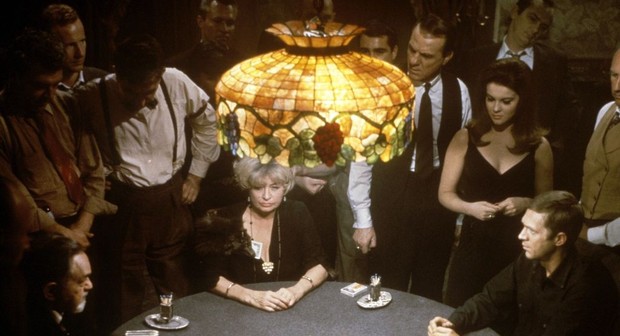

“The Cincinnati Kid” (1965): The World of Poker

newtownrrt.org – “The Cincinnati Kid” is a 1965 American drama film that immerses viewers in the thrilling and competitive world of high-stakes poker. Directed by Norman Jewison, the film is a gripping portrayal of ambition, skill, and the psychological battles that unfold around the poker table. Set in Depression-era New Orleans, “The Cincinnati Kid” explores themes of luck, strategy, and the quest for mastery in a game of chance.

Plot Overview

The film follows Eric “The Kid” Stoner, a talented young poker player with aspirations of becoming the best in the game. The Kid, played by Steve McQueen, seeks to prove himself by challenging the reigning poker champion, Lancey “The Man” Howard. As the tension mounts, the film builds up to a climactic showdown between these two poker titans.

The story navigates the complexities of the poker world, where players must balance skill with psychology to outwit their opponents. The Kid’s journey is not just about the game; it also involves navigating relationships and personal challenges, including his romance with Christian Rudd, portrayed by Tuesday Weld, and the influence of his mentor, Shooter, played by Karl Malden.

Notable Cast and Characters

Steve McQueen delivers a charismatic performance as The Kid, embodying the character’s confidence and determination. Edward G. Robinson stars as Lancey “The Man” Howard, bringing gravitas to his role as the seasoned poker veteran. The film’s ensemble cast also includes Ann-Margret as Melba, Karl Malden as Shooter, and Rip Torn as Slade, each contributing to the film’s rich tapestry of characters.

Cinematic Style and Themes

“The Cincinnati Kid” is renowned for its authentic depiction of the poker world, capturing the intricacies and tensions of high-stakes gambling. The film’s direction by Norman Jewison and cinematography by Philip H. Lathrop create a visually compelling experience, with tight close-ups and dramatic lighting enhancing the suspense during pivotal poker scenes.

The film explores themes such as the pursuit of greatness, the fine line between luck and skill, and the moral dilemmas faced by those driven to succeed at any cost. It highlights the psychological warfare inherent in poker, where reading opponents and maintaining composure are as crucial as the cards themselves.

Impact and Legacy

“The Cincinnati Kid” is celebrated for its engaging narrative and strong performances, particularly by McQueen and Robinson. It has become a classic in the genre of gambling films, offering a nuanced look at the world of poker and the personal stakes involved. The movie’s influence can be seen in subsequent films that explore similar themes of competition and personal ambition.

Conclusion

“The Cincinnati Kid” (1965) remains a captivating drama that delves into the high-pressure world of poker with style and intensity. Through its compelling characters and suspenseful plot, the film continues to resonate with audiences, serving as both an entertainment spectacle and a thoughtful exploration of the human desire to achieve greatness.

Bellatrix Lestrange: The Dark Enchantress of the Wizarding World

newtownrrt.org – Bellatrix Lestrange, a character from J.K. Rowling’s “Harry Potter” series, stands out as one of the most memorable and menacing villains. Her fierce loyalty to Lord Voldemort and her sadistic nature make her a formidable antagonist in the wizarding world.

Early Life and Pure-Blood Ideology

Born Bellatrix Black, she hails from the prestigious and pure-blood Black family, known for their elitist beliefs. Alongside her sisters, Narcissa Malfoy and Andromeda Tonks, Bellatrix was raised in an environment that valued blood purity above all else. This upbringing instilled in her a strong sense of superiority and disdain for Muggles and “blood traitors.”

Devotion to Voldemort

Bellatrix’s unwavering loyalty to Voldemort is one of her defining traits. She joined the Death Eaters, embracing their dark ideology and becoming one of Voldemort’s most trusted and lethal followers. Her dedication is evident in her willingness to commit heinous acts, including torture and murder, to further his cause.

A Portrait of Madness and Cruelty

Bellatrix’s character is marked by madness and cruelty. Her time in Azkaban, after being imprisoned for torturing the Longbottoms, only intensified her unhinged nature. She takes pleasure in causing pain, as seen in her sadistic interactions with characters like Hermione Granger and Sirius Black.

Family Ties and Conflicted Loyalties

Despite her loyalty to Voldemort, Bellatrix’s family connections play a significant role in her story. Her relationship with her sisters, particularly Narcissa, occasionally reveals glimpses of familial loyalty, as seen when she assists in Draco Malfoy’s mission. However, her devotion to Voldemort often overshadows these ties.

Legacy and Impact

Bellatrix Lestrange’s impact on the “Harry Potter” series is profound. Her character adds depth to the narrative, highlighting themes of loyalty, madness, and the consequences of blind devotion. Her presence in the films, portrayed by Helena Bonham Carter, brings her madness and complexity to life, making her an unforgettable figure in the series.

In conclusion, Bellatrix Lestrange is a character that embodies the dark allure of villainy. Her unwavering loyalty to Voldemort, combined with her sadistic tendencies, make her a captivating and chilling antagonist.

Energy Capital of the World: Houston’s Role in Global Industry

newtownrrt.org – Houston, Texas, widely recognized as the “Energy Capital of the World,” plays a pivotal role in the global energy industry. With its vast concentration of energy companies, innovative research institutions, and strategic location, Houston has become a central hub for energy exploration, production, and innovation. The city’s influence extends far beyond its borders, impacting energy markets and policies worldwide.

A Legacy of Energy Leadership

Houston’s journey to becoming the energy capital began in the early 20th century with the discovery of oil at the Spindletop oil field near Beaumont, Texas. This discovery triggered a boom that transformed Houston into a thriving center for oil and gas exploration. Over the decades, Houston has continued to expand its energy footprint, attracting major multinational corporations, such as ExxonMobil, Chevron, and Shell, to establish their headquarters or significant operations in the city.

A Hub for Innovation and Research

Houston’s energy sector is not just about oil and gas; it is also a leader in energy innovation and research. The city is home to prestigious institutions like the University of Houston and Rice University, which conduct cutting-edge research in energy technologies and sustainability. The Texas Medical Center, the largest medical complex in the world, is also exploring the intersection of energy and healthcare, developing sustainable solutions to power medical facilities.

The Role of the Houston Energy Corridor

The Houston Energy Corridor, located in the western part of the city, is a powerhouse of energy activity. This area hosts numerous energy companies, engineering firms, and service providers, creating a dynamic ecosystem that fosters collaboration and innovation. The Energy Corridor is also a hub for conferences and events that bring together industry leaders and experts to discuss the future of energy.

A Commitment to Sustainability

Recognizing the need for sustainable energy practices, Houston is actively working to diversify its energy portfolio. The city is investing in renewable energy sources, such as wind and solar power, and promoting energy efficiency initiatives. Houston’s commitment to sustainability is further demonstrated by its participation in global climate initiatives and its efforts to reduce carbon emissions.

Conclusion

As the Energy Capital of the World, Houston plays a crucial role in shaping the future of the global energy industry. Its leadership in traditional energy sectors, combined with its focus on innovation and sustainability, positions Houston as a key player in the transition to a more sustainable energy future. With its rich history and forward-looking vision, Houston continues to drive progress and influence energy markets around the world.

Discovering the Temple of Artemis: A Wonder of the Ancient World

newtownrrt.org – The Temple of Artemis, located in the ancient city of Ephesus in present-day Turkey, was one of the Seven Wonders of the Ancient World. Dedicated to the Greek goddess Artemis, this magnificent structure was renowned for its grandeur and architectural brilliance. Although only ruins remain today, the temple’s historical significance and legendary status continue to captivate historians and travelers alike.

Historical Background

The Temple of Artemis was originally constructed in the 6th century BCE, commissioned by the Lydian king Croesus and designed by the architect Chersiphron. It was built on a grand scale, with contributions from various regions and rulers, reflecting the widespread reverence for Artemis. The temple underwent several reconstructions due to destruction by both natural disasters and human actions, including a notable fire set by Herostratus in 356 BCE.

Architectural Grandeur

The Temple of Artemis was celebrated for its architectural splendor and grandeur. It was built with marble and adorned with intricate sculptures and reliefs depicting mythological scenes. The structure featured a massive rectangular platform with more than a hundred towering columns, each standing around 18 meters high. These columns, along with the temple’s vast size and elaborate decorations, made it a marvel of engineering and artistry in the ancient world.

Cultural and Religious Significance

Artemis was a goddess of hunting, wilderness, and fertility, and her temple in Ephesus served as a major religious and cultural center. Pilgrims traveled from far and wide to pay homage to Artemis and seek her blessings. The temple also played a significant role in the local economy, attracting merchants, artisans, and traders who contributed to the prosperity of Ephesus.

The Legacy of the Temple

Despite its eventual destruction, the Temple of Artemis left a lasting legacy as a symbol of ancient Greek civilization’s architectural and cultural achievements. Today, the site of the temple is an archaeological treasure, with remnants that offer insights into its former glory. Visitors to the area can explore the ruins and imagine the awe-inspiring majesty that once stood there.

Conclusion

The Temple of Artemis remains a testament to the ingenuity and devotion of the ancient world. Its legacy continues to inspire awe and wonder, reminding us of the rich history and cultural heritage that shaped human civilization. Whether you’re a history buff or a curious traveler, the story of the Temple of Artemis offers a fascinating glimpse into the past and the enduring allure of ancient wonders.

A Gastronomical Adventure: The Best Street Food Cities in the World

newtownrrt.org – Street food is more than just a way to grab a quick bite; it’s a cultural experience that offers a glimpse into the soul of a city. From the bustling streets of Asia to the vibrant markets of Latin America, street food is a universal language that brings people together through the shared love of food. This article explores some of the best street food cities in the world, each offering a unique gastronomical adventure.

Asia: A Mecca for Street Food Enthusiasts

Bangkok, Thailand

Bangkok is a street food paradise, where vendors sell everything from savory pad Thai to sweet mango sticky rice. The city’s vibrant street markets, such as Chatuchak and Yaowarat, are a must-visit for food enthusiasts. The diversity of flavors and the sheer variety of dishes make Bangkok a top destination for street food lovers.

Tokyo, Japan

Tokyo’s street food scene is a blend of tradition and innovation. From the iconic takoyaki (octopus balls) to the more adventurous fugu (pufferfish), Tokyo offers a wide range of culinary delights. The city’s izakayas (Japanese pubs) and yakitori (grilled chicken skewer) stands are perfect for a late-night snack.

Istanbul, Turkey

Istanbul bridges the gap between Europe and Asia, and its street food scene reflects this unique position. Must-try dishes include the savory gozleme (stuffed flatbread), the sweet baklava, and the iconic döner kebab. The streets of Istanbul are a culinary adventure, with each bite offering a taste of the city’s rich history and culture.

Latin America: A Fusion of Flavors and Traditions

Mexico City, Mexico

Mexico City is renowned for its vibrant street food scene, where tacos al pastor, elote (grilled corn on the cob), and churros are just the beginning. The city’s mercados (markets) are bustling with vendors selling a variety of traditional dishes, each with its own unique twist.

São Paulo, Brazil

São Paulo’s street food scene is a melting pot of cultures, with influences from Italy, Japan, and the Middle East. The city is famous for its feijoada (black bean stew), pastel (fried pastry), and coxinha (chicken croquette). The diversity of São Paulo’s street food reflects the city’s cosmopolitan nature.

Lima, Peru

Lima is a culinary capital, with its street food scene offering a taste of Peru’s rich gastronomical heritage. Dishes like ceviche, anticuchos (grilled skewers), and picarones (sweet potato doughnuts) are a testament to the city’s fusion of indigenous and Spanish influences.

Europe: A Tapestry of Flavors

Paris, France

Paris may be known for its haute cuisine, but the city also has a thriving street food scene. From the classic crêpes and baguette sandwiches to the more modern food trucks serving gourmet burgers and ethnic dishes, Paris offers a variety of street food options that cater to every palate.

Berlin, Germany

Berlin’s street food scene is a reflection of the city’s dynamic and multicultural identity. The city is famous for its currywurst (curried sausage), döner kebab, and the traditional Berliner (jelly-filled doughnut). The Markthalle Neun and the Street Food Thursday at RAW-Gelände are must-visit destinations for food enthusiasts.

Barcelona, Spain

Barcelona’s street food scene is a mix of traditional and modern, with tapas being the star of the show. From the classic patatas bravas (spicy potatoes) to the more adventurous pulpo a la gallega (Galician octopus), Barcelona’s street food offers a taste of Spain’s rich culinary traditions.

Conclusion

The best street food cities in the world offer more than just a meal; they offer a cultural experience that is both authentic and unforgettable. Whether you’re exploring the bustling markets of Bangkok, savoring the flavors of Mexico City, or indulging in the culinary delights of Paris, each city has its own unique story to tell through its street food. A gastronomical adventure awaits in these cities, promising a feast for the senses and memories that will last a lifetime.

Journey of Wonder and Discovery: World Through a Child’s Eyes

newtownrrt.org – In the whimsical and boundless realm of childhood, the world is not merely observed but experienced with an intensity and curiosity that knows no bounds. Through the eyes of a child, the ordinary transforms into the extraordinary, and the mundane becomes a gateway to endless possibilities. This unique perspective is not just a way of seeing; it’s a way of being, a journey of wonder and discovery that can teach us all about the beauty of life in its purest form.

Imagine, for a moment, looking at the world through a child’s eyes. The sky is not just blue; it’s a canvas painted with the dreams of the day, a backdrop for the adventures of clouds that can resemble anything from fluffy sheep to ferocious dragons. The sun is not just a celestial body; it’s a warm, golden friend that rises to greet you in the morning and sets to tuck you into bed at night.

To a child, the earth is a treasure trove of marvels waiting to be unearthed. A simple walk in the park becomes an expedition into a wild jungle, where trees are giants, and the rustling of leaves is the whisper of ancient secrets. Every pebble on the ground tells a story, every puddle is an ocean, and every bug is a creature of wonder. The world is a vast playground, and every moment is an opportunity to learn, explore, and imagine.

Children see the world with an openness and acceptance that is both refreshing and enlightening. They do not judge; they embrace. They do not fear; they approach with curiosity. A child’s smile can light up the darkest of days, and their laughter is a melody that resonates with the joy of life itself. In their eyes, everyone is a friend yet to be made, and every heart is a story yet to be heard.

The innocence of a child’s perspective is a powerful reminder of the beauty in simplicity. They find joy in the small things – a game of tag, a story before bed, a hug from a loved one. They teach us that happiness is not about having more but about needing less, that the richest experiences in life are often those that cost nothing but our time and attention.

Moreover, children are the ultimate optimists. They approach life with an unwavering belief in the good, a resilience that bounces back from disappointment, and a hope that tomorrow will always be better. Their perspective is a beacon of light in a world that can sometimes seem too complex, too fast, and too cynical.

As adults, we can learn much from the world through a child’s eyes. It invites us to slow down, to look closer, and to wonder more. It challenges us to see beyond the surface, to find the extraordinary in the ordinary, and to approach life with the same sense of curiosity, openness, and joy that children do.

In the end, the world through a child’s eyes is a gift, a lens through which we can rediscover the magic of life. It is a reminder that, no matter our age, the capacity for wonder is within us all. By embracing the child within, we can unlock a world of endless possibilities, where every day is an adventure, and every moment is an opportunity to see the world anew.

How Authors Capture Reality: Writing the World

newtownrrt.org – The art of storytelling has been a cornerstone of human civilization, a way to pass down knowledge, entertain, and explore the complexities of the human condition. Authors, through their words, have the power to capture reality in ways that are both universal and deeply personal. They weave the fabric of our world into narratives that resonate with readers, offering insights into the nature of existence, society, and the individual psyche. But how do authors manage to encapsulate the essence of reality in their writing? This article delves into the various techniques and considerations that writers employ to bring the world to life on the page.

Observation and Research

At the heart of capturing reality is the act of observation. Authors must be keen observers of the world around them, noticing the subtleties of human behavior, the nuances of social interactions, and the intricacies of the physical environment. This attention to detail allows writers to create settings and characters that feel authentic and relatable.

Research is another critical component. Whether an author is writing about a historical event, a foreign culture, or a scientific concept, thorough research is essential to ground the narrative in reality. This not only lends credibility to the story but also enriches the reader’s understanding of the subject matter.

Emotional Honesty

Beyond the external observations, capturing reality also involves delving into the internal landscape of human emotions. Authors must be willing to explore the depths of their own feelings and those of others to create characters with emotional depth and authenticity. This emotional honesty resonates with readers, as it reflects the complexities of their own emotional experiences.

The Power of Dialogue

Dialogue is a powerful tool for bringing characters and situations to life. Authors must craft conversations that not only sound natural but also reveal character, advance the plot, and reflect the social and cultural context of the story. Through dialogue, readers gain insight into the characters’ thoughts, motivations, and relationships, making the narrative world feel more real.

The Role of Setting

Setting is not just a backdrop; it’s a character in its own right. The way something is described can have a profound impact on how readers perceive the story. Authors use setting to evoke mood, establish context, and deepen the reader’s immersion in the narrative. Whether it’s the bustling streets of a city, the quiet solitude of nature, or the confines of a room, the setting plays a crucial role in grounding the story in reality.

Themes and Symbolism

While capturing reality, authors often explore universal themes that resonate with readers across different cultures and backgrounds. These themes, such as love, loss, identity, and redemption, connect the narrative to the broader human experience. Symbolism, too, plays a role, allowing authors to convey complex ideas and emotions in a way that is both subtle and impactful.

The Art of Showing, Not Telling

One of the most effective ways to capture reality in writing is through the technique of showing, not telling. Instead of explicitly stating facts or emotions, authors use descriptive language, actions, and dialogue to reveal information indirectly. This approach engages the reader’s imagination and allows them to experience the story in a more visceral and personal way.

Conclusion

Capturing reality in writing is a multifaceted endeavor that requires observation, emotional honesty, skilled dialogue, a vivid setting, exploration of universal themes, and the artful use of showing over telling. Through these techniques, authors not only reflect the world as it is but also offer insights into what it means to be human. Writing the world, in all its complexity and beauty, is a testament to the power of storytelling to connect, enlighten, and inspire.