Mole Food: Understanding the Diet of Underground Foragers

newtownrrt.org – Moles are fascinating subterranean creatures known for their tunneling activities and insectivorous diet. Despite spending most of their lives underground, moles play a crucial role in controlling insect populations and aerating the soil. Understanding what moles eat is essential for their care in captivity, as well as for managing them in gardens and agricultural settings. This article will explore the typical diet of moles, their feeding behavior, and how to provide for them in captivity.

1. The Diet of Moles: Insectivores of the Soil

Moles are primarily insectivores, meaning they feed mainly on insects and other invertebrates found in the soil. Their sharp claws and powerful digging abilities allow them to hunt underground, where they consume a variety of invertebrates. Their diet provides the protein and fat necessary for maintaining their energy levels, especially since moles are highly active diggers.

Common Food Sources for Moles:

  • Earthworms: Earthworms are a primary food source for moles and make up a significant portion of their diet.
  • Grubs: Moles often feed on beetle larvae, including the larvae of Japanese beetles and other garden pests.
  • Insects and insect larvae: Ants, termites, and other insects living in the soil are also part of a mole’s diet.
  • Millipedes and centipedes: These invertebrates are often found in the soil and consumed by moles.
  • Slugs and snails: Soft-bodied invertebrates like slugs and snails can be part of a mole’s diet, especially in wetter environments.

Moles are well-adapted to finding these underground creatures, relying on their highly developed sense of smell and touch to detect prey.

2. Earthworms: The Staple of a Mole’s Diet

Earthworms are by far the most important food for moles. They provide a rich source of protein and fat, which is crucial for the mole’s energy-intensive lifestyle of digging and tunneling. Moles actively dig through soil, creating complex tunnel systems to find and catch earthworms.

How Moles Hunt Earthworms:

  • Tunneling traps: As moles dig their tunnels, earthworms and other invertebrates fall into these tunnels, where they are quickly consumed.
  • Burrowing through worm-rich soil: Moles prefer to tunnel through moist, loose soil that is rich in earthworms, especially after rain when worms come closer to the surface.

Moles often store live earthworms for later consumption, biting into them to immobilize them but keeping them alive underground.

3. Grubs and Insect Larvae: A Protein-Rich Food Source

In addition to earthworms, moles frequently consume insect larvae or grubs, which are found within the soil. These larvae are rich in protein and fat, making them a valuable food source for moles.

Common Grubs Eaten by Moles:

  • Japanese beetle larvae: These are a common grub found in gardens, and moles help control their populations by feeding on them.
  • June bug larvae: Another garden pest, these grubs are often found by moles digging through lawns.
  • Other beetle larvae: Moles feed on various types of beetle larvae that live in the soil, contributing to natural pest control.

Moles’ appetite for grubs and larvae is beneficial for garden health, as they help reduce pest populations that can damage plants and crops.

4. Insects and Other Invertebrates

Moles also eat a variety of other insects and invertebrates that live in the soil. This includes ants, termites, millipedes, centipedes, and even small spiders. While these creatures may not be the primary part of a mole’s diet, they are important supplements that provide additional nutrition.

Common Invertebrates Consumed by Moles:

  • Ants and termites: Insects that live in colonies underground are easy prey for moles.
  • Millipedes and centipedes: Found in decaying organic matter, these invertebrates are also consumed by moles.

While hunting for these creatures, moles help aerate the soil and reduce populations of harmful pests.

5. Feeding Moles in Captivity

If caring for moles in captivity, it is important to provide them with a diet that replicates their natural food sources as closely as possible. Insectivorous diets rich in earthworms and other soil-dwelling invertebrates are essential.

Common Foods for Captive Moles:

  • Earthworms: The most critical food for moles, readily available from bait shops or online.
  • Mealworms and waxworms: In captivity, moles can also be fed mealworms and waxworms, which provide similar nutrition.
  • Grubs: You can purchase or collect grubs to feed moles in captivity.
  • Insectivorous diet supplements: Some pet stores offer commercial insectivore diets, which can help provide balanced nutrition.

Moles need frequent feeding due to their high energy demands. In captivity, they should be fed multiple times a day, and food should be spread out across their enclosure to encourage their natural foraging behavior.

6. Hydration: Water Requirements for Moles

Moles obtain most of their water from their food, particularly from the moisture-rich earthworms they consume. However, in captivity, it is important to provide fresh water in a shallow dish to ensure they remain hydrated.

7. Feeding Behavior and Tunneling Habits

Moles are solitary animals that spend most of their lives digging and foraging underground. Their tunnel systems serve both as homes and hunting grounds, and they are constantly expanding these tunnels in search of food. In the wild, moles can dig extensive networks, creating tunnels that may span several meters.

Feeding Behavior:

  • Active foraging: Moles are active foragers and will dig continuously to find food.
  • Day and night activity: Moles do not follow strict nocturnal or diurnal patterns, often being active throughout the day and night.
  • Constant eating: Due to their high metabolism, moles need to eat frequently to sustain their energy levels.

In captivity, providing opportunities for moles to dig and forage will help them maintain their natural behaviors and health.

8. Managing Moles in Gardens

While moles play a beneficial role in controlling insect populations and aerating the soil, their tunneling can sometimes be a nuisance in gardens or lawns. Understanding their diet can help gardeners manage mole populations effectively.

Ways to Manage Moles:

  • Natural mole deterrents: Moles can be deterred from certain areas by reducing their food sources, such as grubs and larvae, through the use of beneficial nematodes or other organic pest control methods.
  • Live trapping and relocation: In some cases, moles can be trapped and relocated to areas where their tunneling will be less of a problem.

9. Conclusion

Moles are efficient hunters that thrive on a diet rich in earthworms, grubs, and other soil-dwelling invertebrates. Their insectivorous feeding habits make them beneficial for controlling garden pests, though their tunneling can sometimes cause issues in lawns. Whether in the wild or captivity, moles require frequent feeding and access to a variety of invertebrates to meet their high energy demands. Understanding what moles eat and how they forage can help both in managing mole populations and in caring for them in captivity.
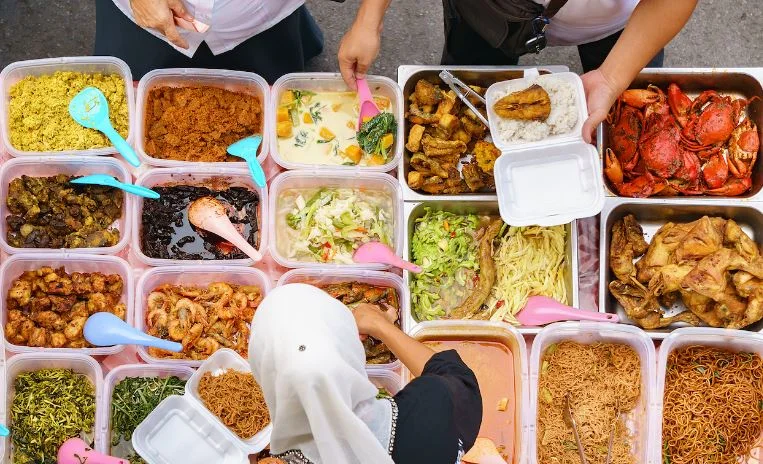
A Gastronomical Adventure: The Best Street Food Cities in the World

newtownrrt.org – Street food is more than just a way to grab a quick bite; it’s a cultural experience that offers a glimpse into the soul of a city. From the bustling streets of Asia to the vibrant markets of Latin America, street food is a universal language that brings people together through the shared love of food. This article explores some of the best street food cities in the world, each offering a unique gastronomical adventure.

Asia: A Mecca for Street Food Enthusiasts

Bangkok, Thailand

Bangkok is a street food paradise, where vendors sell everything from savory pad Thai to sweet mango sticky rice. The city’s vibrant street markets, such as Chatuchak and Yaowarat, are a must-visit for food enthusiasts. The diversity of flavors and the sheer variety of dishes make Bangkok a top destination for street food lovers.

Tokyo, Japan

Tokyo’s street food scene is a blend of tradition and innovation. From the iconic takoyaki (octopus balls) to the more adventurous fugu (pufferfish), Tokyo offers a wide range of culinary delights. The city’s izakayas (Japanese pubs) and yakitori (grilled chicken skewer) stands are perfect for a late-night snack.

Istanbul, Turkey

Istanbul bridges the gap between Europe and Asia, and its street food scene reflects this unique position. Must-try dishes include the savory gozleme (stuffed flatbread), the sweet baklava, and the iconic döner kebab. The streets of Istanbul are a culinary adventure, with each bite offering a taste of the city’s rich history and culture.

Latin America: A Fusion of Flavors and Traditions

Mexico City, Mexico

Mexico City is renowned for its vibrant street food scene, where tacos al pastor, elote (grilled corn on the cob), and churros are just the beginning. The city’s mercados (markets) are bustling with vendors selling a variety of traditional dishes, each with its own unique twist.

São Paulo, Brazil

São Paulo’s street food scene is a melting pot of cultures, with influences from Italy, Japan, and the Middle East. The city is famous for its feijoada (black bean stew), pastel (fried pastry), and coxinha (chicken croquette). The diversity of São Paulo’s street food reflects the city’s cosmopolitan nature.

Lima, Peru

Lima is a culinary capital, with its street food scene offering a taste of Peru’s rich gastronomical heritage. Dishes like ceviche, anticuchos (grilled skewers), and picarones (sweet potato doughnuts) are a testament to the city’s fusion of indigenous and Spanish influences.

Europe: A Tapestry of Flavors

Paris, France

Paris may be known for its haute cuisine, but the city also has a thriving street food scene. From the classic crêpes and baguette sandwiches to the more modern food trucks serving gourmet burgers and ethnic dishes, Paris offers a variety of street food options that cater to every palate.

Berlin, Germany

Berlin’s street food scene is a reflection of the city’s dynamic and multicultural identity. The city is famous for its currywurst (curried sausage), döner kebab, and the traditional Berliner (jelly-filled doughnut). The Markthalle Neun and the Street Food Thursday at RAW-Gelände are must-visit destinations for food enthusiasts.

Barcelona, Spain

Barcelona’s street food scene is a mix of traditional and modern, with tapas being the star of the show. From the classic patatas bravas (spicy potatoes) to the more adventurous pulpo a la gallega (Galician octopus), Barcelona’s street food offers a taste of Spain’s rich culinary traditions.

Conclusion

The best street food cities in the world offer more than just a meal; they offer a cultural experience that is both authentic and unforgettable. Whether you’re exploring the bustling markets of Bangkok, savoring the flavors of Mexico City, or indulging in the culinary delights of Paris, each city has its own unique story to tell through its street food. A gastronomical adventure awaits in these cities, promising a feast for the senses and memories that will last a lifetime.

A Sip of the Sky-High Priced Delicacy: Bird’s Nest Soup

In the realm of culinary delights, few dishes evoke a sense of mystique and luxury quite like bird’s nest soup. This ancient Chinese delicacy, steeped in history and tradition, is renowned not only for its exquisite taste but also for its sky-high price tag. The soup is made from the nests of swiftlets, small birds that belong to the Apodidae family, which are meticulously constructed from the birds’ saliva. These nests, which can take the swiftlets up to 30 days to build, are harvested, cleaned, and then boiled with water and rock sugar to create a gelatinous, translucent broth that is believed to offer a myriad of health benefits.

The allure of bird’s nest soup lies not only in its unique ingredients but also in its historical significance. It has been a part of Chinese cuisine for centuries, with records dating back to the Ming Dynasty (1368-1644). The soup was once reserved for the emperor and his court, a symbol of wealth and status. Today, it remains a luxury item, often served at special occasions such as weddings and banquets, and is considered a gift of great esteem.

The process of harvesting the nests is both fascinating and controversial. Swiftlets build their nests in remote caves and on cliff faces, making the harvesting process dangerous and labor-intensive. In recent years, man-made swiftlet houses have been constructed to encourage the birds to nest in more accessible locations. However, the ethical implications of harvesting the nests, which are essentially the birds’ homes, have sparked debate among conservationists and animal rights activists.

Despite the controversy, the demand for bird’s nest soup continues to soar, driven by its purported health benefits. Traditional Chinese medicine attributes various healing properties to the soup, including improved skin complexion, enhanced vitality, and even anti-aging effects. Modern research has begun to explore these claims, with some studies suggesting that the soup may indeed have certain health benefits, such as boosting the immune system and aiding in tissue repair.

The high cost of bird’s nest soup can be attributed to several factors, including the rarity of the nests, the laborious harvesting process, and the meticulous cleaning required to remove impurities such as feathers and other foreign matter. Prices can vary widely depending on the quality of the nests, with the highest grades fetching thousands of dollars per kilogram.

Despite its hefty price tag, bird’s nest soup remains a coveted dish among those who can afford it. Its delicate flavor and the health benefits it is believed to offer make it a unique indulgence. For many, a sip of bird’s nest soup is not just a culinary experience but a taste of tradition and luxury that has been cherished for generations.

In conclusion, bird’s nest soup stands as a testament to the lengths to which humans will go to indulge in the finer things in life. It is a delicacy that transcends the ordinary, offering a blend of history, tradition, and potential health benefits that few other foods can match. While its high cost and ethical considerations may give some pause, for those who partake, it is a sip of the sky-high priced delicacy that promises a taste of the extraordinary.