Energy Capital of the World: Houston’s Role in Global Industry

newtownrrt.org – Houston, Texas, widely recognized as the “Energy Capital of the World,” plays a pivotal role in the global energy industry. With its vast concentration of energy companies, innovative research institutions, and strategic location, Houston has become a central hub for energy exploration, production, and innovation. The city’s influence extends far beyond its borders, impacting energy markets and policies worldwide.

A Legacy of Energy Leadership

Houston’s journey to becoming the energy capital began in the early 20th century with the discovery of oil at the Spindletop oil field near Beaumont, Texas. This discovery triggered a boom that transformed Houston into a thriving center for oil and gas exploration. Over the decades, Houston has continued to expand its energy footprint, attracting major multinational corporations, such as ExxonMobil, Chevron, and Shell, to establish their headquarters or significant operations in the city.

A Hub for Innovation and Research

Houston’s energy sector is not just about oil and gas; it is also a leader in energy innovation and research. The city is home to prestigious institutions like the University of Houston and Rice University, which conduct cutting-edge research in energy technologies and sustainability. The Texas Medical Center, the largest medical complex in the world, is also exploring the intersection of energy and healthcare, developing sustainable solutions to power medical facilities.

The Role of the Houston Energy Corridor

The Houston Energy Corridor, located in the western part of the city, is a powerhouse of energy activity. This area hosts numerous energy companies, engineering firms, and service providers, creating a dynamic ecosystem that fosters collaboration and innovation. The Energy Corridor is also a hub for conferences and events that bring together industry leaders and experts to discuss the future of energy.

A Commitment to Sustainability

Recognizing the need for sustainable energy practices, Houston is actively working to diversify its energy portfolio. The city is investing in renewable energy sources, such as wind and solar power, and promoting energy efficiency initiatives. Houston’s commitment to sustainability is further demonstrated by its participation in global climate initiatives and its efforts to reduce carbon emissions.

Conclusion

As the Energy Capital of the World, Houston plays a crucial role in shaping the future of the global energy industry. Its leadership in traditional energy sectors, combined with its focus on innovation and sustainability, positions Houston as a key player in the transition to a more sustainable energy future. With its rich history and forward-looking vision, Houston continues to drive progress and influence energy markets around the world.
Cultural Attractions and Croatia’s Tourism Industry

newtownrrt.org – Croatia has emerged as one of Europe’s most captivating tourist destinations, blending natural beauty with a rich cultural heritage. The country’s tourism industry has seen significant growth, driven by its stunning coastline, historic cities, and vibrant cultural attractions. This article explores the key aspects of Croatia’s tourism industry and highlights some of its most notable cultural attractions.

Growth of Croatia’s Tourism Industry

Strategic Development

The Croatian government has implemented strategic plans to develop the tourism industry, focusing on sustainable growth and diversification. Efforts include improving infrastructure, promoting cultural and eco-tourism, and enhancing the visitor experience.

Seasonal Challenges

One of the challenges facing Croatia’s tourism industry is its seasonal nature, with peak seasons during the summer months. To address this, there is a push to extend the tourist season and attract visitors year-round through events, festivals, and winter sports.

Cultural Attractions

Historic Cities

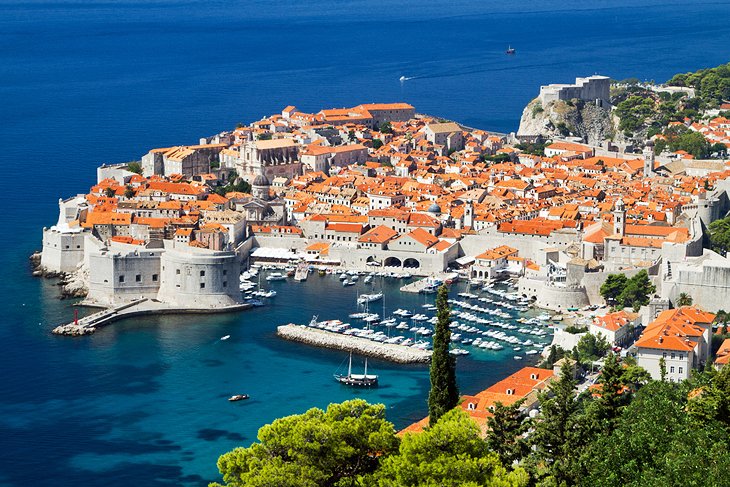
Croatia’s historic cities are a major draw for tourists, offering a glimpse into the country’s rich history and architecture. Dubrovnik, a UNESCO World Heritage Site, is renowned for its well-preserved medieval walls and charming Old Town. Split, with its Roman palace at its heart, and Zagreb, the capital city known for its museums and art galleries, are other popular destinations.

National Parks and Nature Reserves

Croatia’s natural landscapes are protected in a network of national parks and nature reserves. The Plitvice Lakes National Park, with its cascading lakes and waterfalls, is a prime example. Other notable parks include the Krka National Park, known for its stunning waterfalls, and the Brijuni National Park, famous for its safari park and dinosaur footprints.

Gastronomy

Croatian cuisine is a blend of Mediterranean, Central European, and Balkan influences, offering a variety of flavors and dishes. Seafood, olive oil, and wine are staples on the coast, while inland regions are known for their meat dishes and hearty stews. The country’s wine regions, such as Istria and Dalmatia, produce high-quality wines that pair perfectly with local cuisine.

Festivals and Events

Croatia hosts a variety of festivals and events throughout the year, attracting visitors with their cultural and historical significance. The Dubrovnik Summer Festival, featuring theater, music, and dance performances, is one of the most prominent. Other notable events include the Zagreb Film Festival, the Pula Film Festival, and the INmusic Festival, Croatia’s largest music festival.

Sustainable Tourism

Croatia is committed to sustainable tourism practices, aiming to preserve its natural and cultural heritage for future generations. This includes promoting eco-friendly accommodations, reducing plastic waste, and educating visitors about responsible travel.

Conclusion

Croatia’s tourism industry is a testament to the country’s ability to blend natural beauty with cultural richness. From its historic cities and national parks to its gastronomy and festivals, Croatia offers a diverse range of attractions that appeal to a wide array of visitors. As the industry continues to grow, the focus on sustainable tourism will be crucial in ensuring that Croatia’s unique heritage is preserved for years to come.

A Bite-Sized Look at the Business of Snacking: The Snack Industry

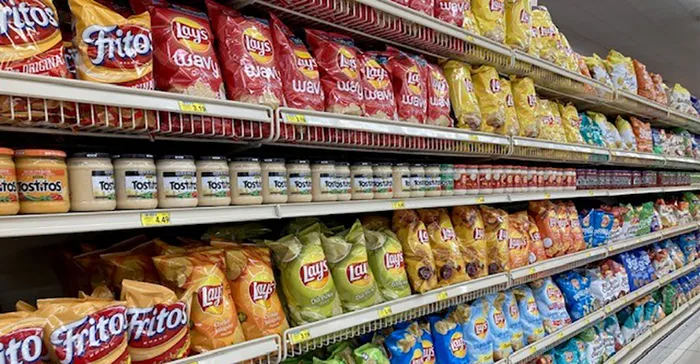
In the fast-paced world of today, snacking has become more than just a way to curb hunger between meals; it’s a lifestyle. The snack industry, a multi-billion-dollar market, has seen exponential growth as consumers demand convenience, variety, and health-conscious options. This article takes a bite-sized look at the business of snacking, exploring its trends, challenges, and the innovative strategies that keep it growing.

The Rise of Snacking:
The snack industry has seen a significant rise in the past few decades, with the global snack market expected to reach a staggering value by the end of the decade. This growth can be attributed to several factors, including changing consumer lifestyles, the rise of on-the-go eating, and the increasing demand for healthier snack options.

Health and Convenience:
One of the most prominent trends in the snack industry is the consumer shift towards healthier options. People are becoming more health-conscious, looking for snacks that are not only delicious but also nutritious. This has led to an increase in demand for snacks that are low in sugar, high in protein, and made with natural ingredients.

Convenience is another key driver in the snack industry. With busy schedules and hectic lifestyles, consumers are looking for snacks that are easy to grab and eat on the go. This has spurred the growth of the snack bar market, as well as the popularity of single-serve snack packs.

Innovation and Diversity:
Innovation is at the heart of the snack industry, with companies constantly experimenting with new flavors, formats, and technologies to meet consumer demands. From plant-based snacks to artisanal chips, the industry is seeing a surge in diversity and creativity.

Sustainability:
Sustainability is also becoming a critical factor in the snack industry. Consumers are increasingly concerned about the environmental impact of their food choices, leading to a demand for eco-friendly packaging and sustainable sourcing. Companies are responding by adopting greener practices and highlighting their commitment to sustainability in their marketing efforts.

Challenges and Opportunities:
The snack industry faces several challenges, including regulatory hurdles, competition, and changing consumer preferences. However, these challenges also present opportunities for growth and innovation. Companies that can adapt to the changing landscape, such as by embracing digital marketing and e-commerce, are likely to thrive.

Conclusion:
The snack industry is a dynamic and ever-evolving market that reflects the changing tastes and lifestyles of consumers around the world. With a focus on health, convenience, innovation, and sustainability, the business of snacking continues to grow and adapt. As consumers continue to demand more from their snacks, the industry is poised for exciting developments that will keep it at the forefront of the food industry. Whether it’s a savory chip or a sweet treat, the snack industry is ready to satisfy every craving, one bite at a time.

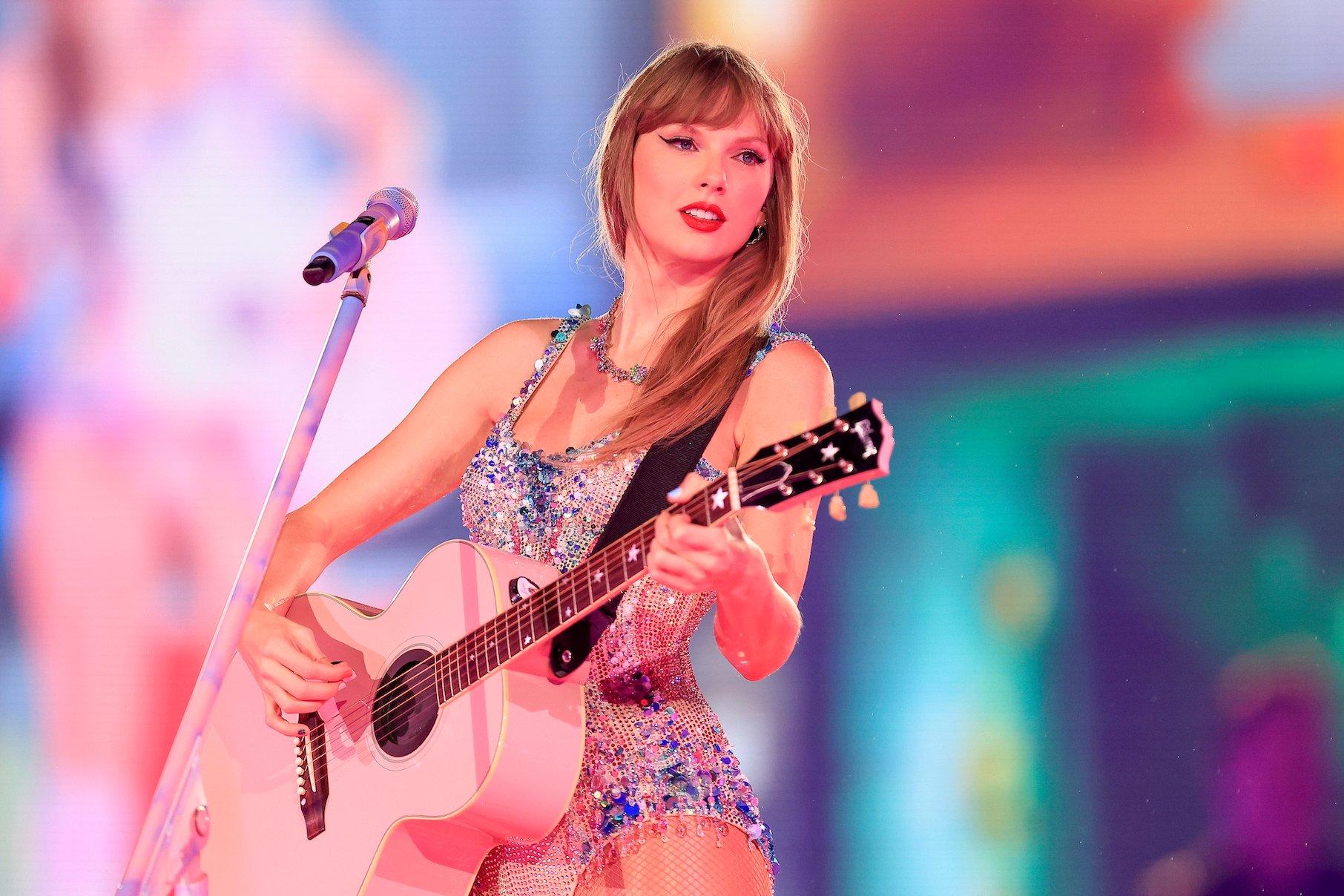
The Pop Icon Reimagining the Music Industry: Taylor Swift

Taylor Swift, born on December 13, 1989, in Reading, Pennsylvania, has become a household name in the music industry, transcending genres and redefining the role of the modern pop star. Her journey from a country music prodigy to a global pop icon is a testament to her talent, resilience, and strategic acumen. Swift’s career is marked by numerous accolades, including Grammy Awards, American Music Awards, and Billboard Music Awards, making her one of the most decorated artists of her generation.

Early Beginnings

Swift’s fascination with music began at a young age. By the age of 12, she had already started writing her own songs and learning to play the guitar. Her family’s move to Hendersonville, Tennessee, when she was 14, provided her with the opportunity to pursue a career in country music. It was here that she began performing at local venues and caught the attention of music industry scouts.

Breakthrough and Country Success

Swift’s big break came in 2006 with the release of her self-titled debut album. The album’s lead single, “Tim McGraw,” showcased her knack for storytelling and resonated with listeners, quickly climbing the country charts. The album’s success was followed by her second album, “Fearless,” which was released in 2008. “Fearless” solidified Swift’s status as a country music sensation, earning her four Grammy Awards, including Album of the Year, making her the youngest artist to win the award at that time.

Transition to Pop

Swift’s transition from country to pop began with her 2012 album, “Red,” which experimented with pop and dance-pop sounds. However, it was her 2014 album, “1989,” that marked her full-fledged crossover to pop music. The album was a critical and commercial success, earning Swift accolades and cementing her status as a pop icon. Singles like “Shake It Off” and “Blank Space” became anthems of the era, showcasing Swift’s ability to craft catchy, relatable hits.

Reinvention and Activism

Swift has continually reinvented her image and sound, staying relevant in an ever-changing music landscape. Her subsequent albums, “Reputation” (2017), “Lover” (2019), “folklore” (2020), and “evermore” (2020), each represented a new chapter in her artistic evolution, exploring various genres and themes. “folklore” and “evermore,” in particular, marked a departure from her usual pop sound, delving into indie folk and alternative music, and were met with widespread critical acclaim.

Beyond her music, Swift has become an advocate for various causes, including LGBTQ+ rights, women’s rights, and voter registration. Her public endorsement of Democratic candidates in the 2018 midterm elections and her open letter to Tennessee senators advocating for the Equality Act have highlighted her growing role as a political activist.

Legacy

Taylor Swift’s impact on the music industry extends beyond her chart-topping hits and awards. She has redefined what it means to be a modern pop star, emphasizing the importance of songwriting, narrative, and personal connection with fans. Her battles with record labels over the ownership of her master recordings have sparked conversations about artists’ rights and have led her to re-record her first six albums, ensuring she retains control over her legacy.

Swift’s ability to evolve, both musically and personally, while maintaining a deep connection with her fans, has solidified her place as one of the most influential artists of her time. As she continues to push boundaries and challenge norms, Taylor Swift’s legacy as a singer, songwriter, and cultural icon is sure to endure.